Home care resources
Expert advice, latest news, and heartwarming stories to help you navigate the journey of aging with confidence and grace.
 Read ArticleFinance5 min read
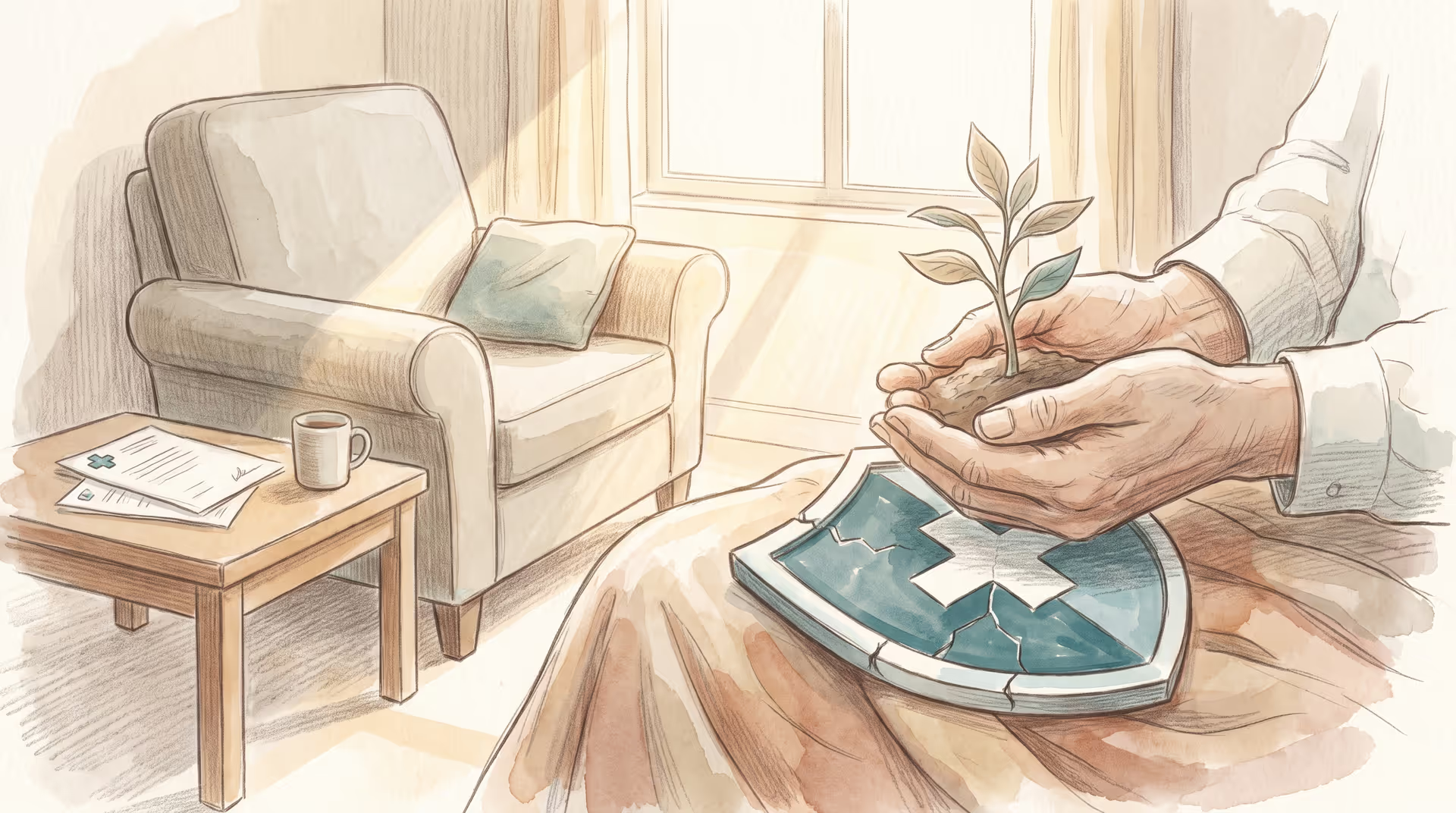
Can Home Care Help Fix Medicare
Short answer: home care can help fill some gaps in Medicare, but it can’t completely fix the program’s limits. It can keep your parent safer at home, reduce hospital visits, and provide important skilled services. But Medicare’s home health benefit has strict rules. You need to know what’s covered, what isn’t, and how to get the help your parent needs.
 Read ArticleHealth5 min read
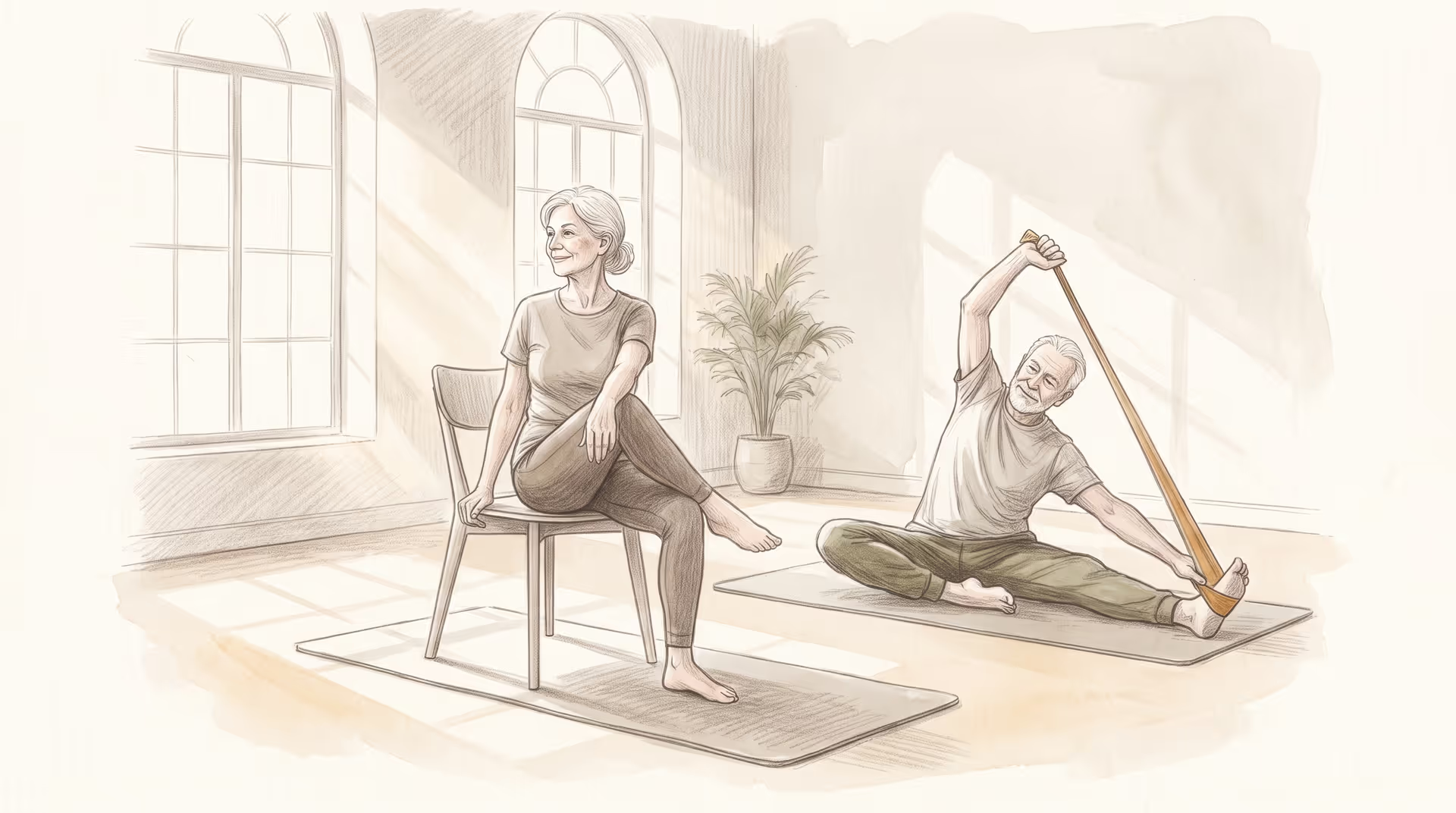
Pilates For Seniors Is Pilates Good For Seniors
Pilates is a low‑impact exercise method that many older adults find useful. It focuses on core strength, balance, and controlled movement. If you are helping an aging parent stay active at home, Pilates is worth considering. This article explains what Pilates is, the benefits for seniors, safety notes, and practical ways to start.
 Read ArticleLifestyle5 min read
Holiday Gift Giving For Loved Ones With Alzheimer’s Or Dementia
The holidays can be wonderful and also confusing when someone you love has Alzheimer’s or another dementia. The right gift can bring comfort, calm, or a spark of joy. The wrong gift can be unused or cause frustration. This guide gives simple, practical ideas you can use no matter the stage of the disease. It also covers caregiver gifts and safety tips to keep the season peaceful.
 Read ArticleHealth5 min read
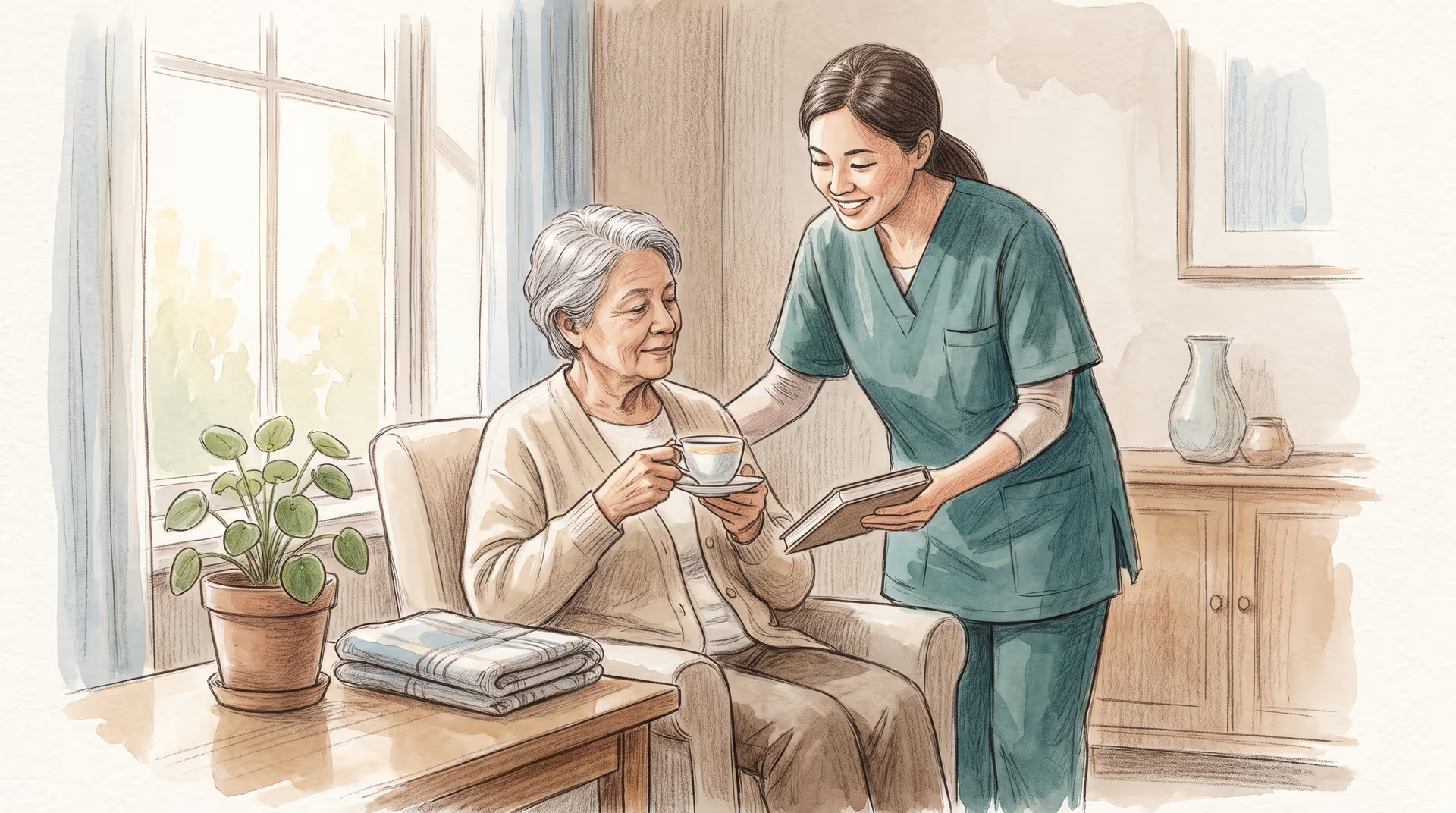
What Is Private Duty Home Care
Private duty home care is one way to help a loved one stay safe and comfortable at home. It focuses on day-to-day help and can be tailored to the person’s needs. This guide explains what private duty care is, how it differs from other home services, who provides it, and how to choose a provider.
 Read ArticleHealth5 min read
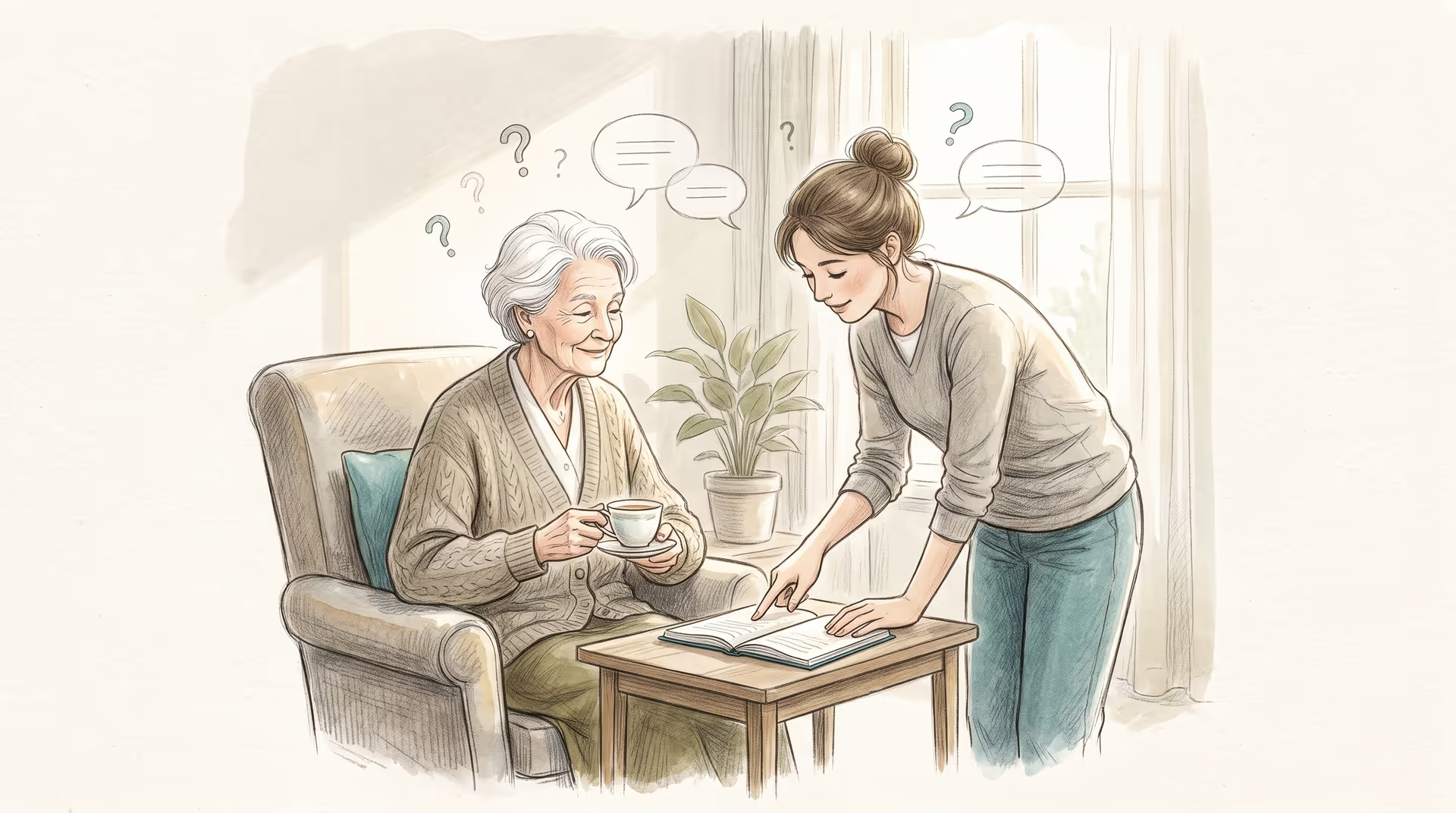
Private Duty Home Care Frequently Asked Questions
If you are looking into in-home care for a parent, you probably have a lot of questions. This guide answers the most common ones families ask about private duty home care. The goal is to help you understand options, services, and next steps.
 Read ArticleLifestyle5 min read
Word Games For Seniors
Word games are simple. They are fun. They also help the brain stay active. For many older adults, word games boost memory, focus, and mood. They can be played alone, with family, or with a caregiver. Below are easy ways to pick games and make them work for different ability levels.
 Read ArticleHealth5 min read
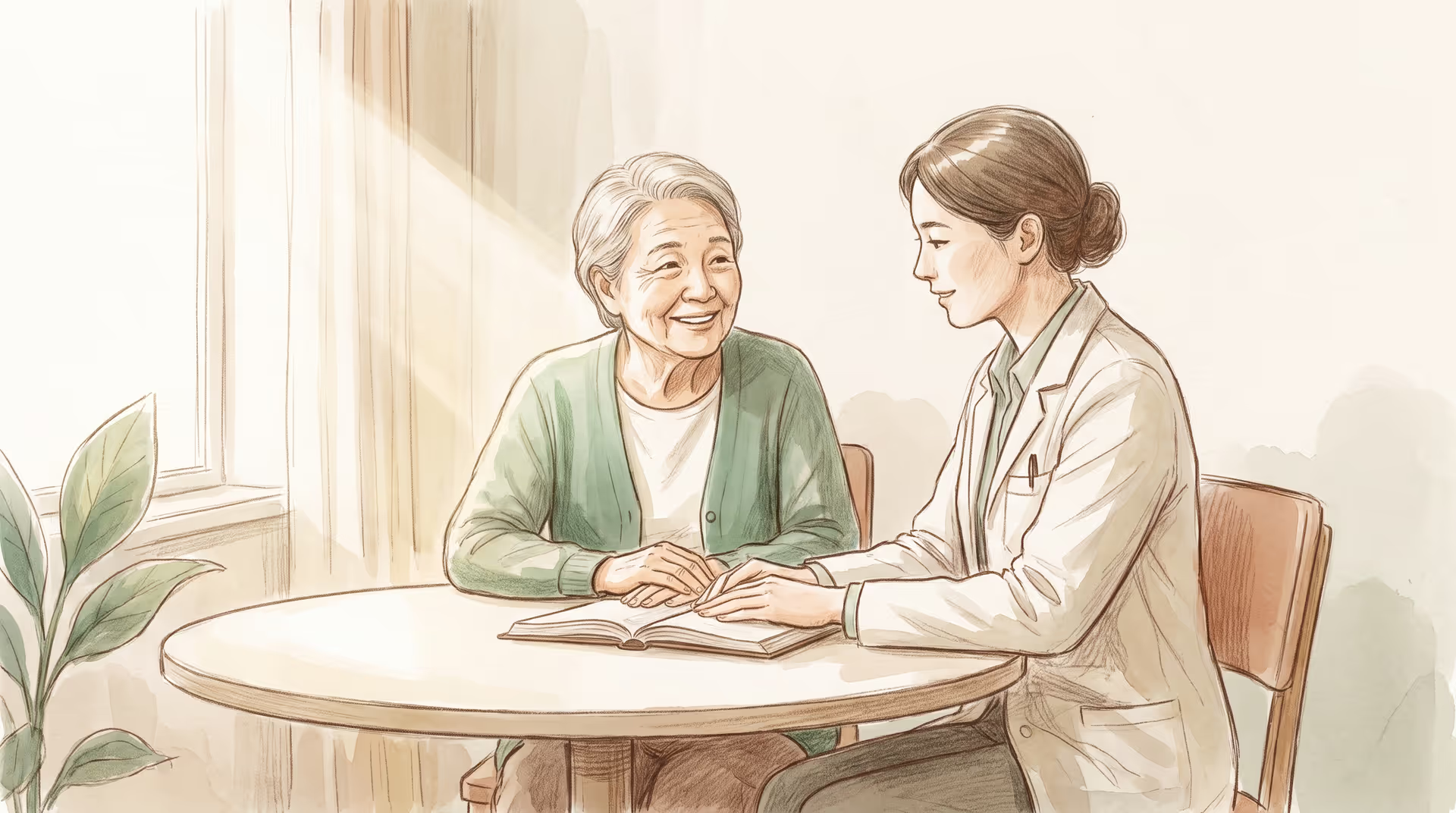
Certified Dementia Practitioner For Senior Care
Choosing care for a parent with dementia is hard. You want someone who understands how memory loss changes behavior. A Certified Dementia Practitioner (CDP) is a caregiver or clinician with extra training in dementia care. This article explains what CDP means, how the credential is earned, and why it matters when you hire in-home care.
 Read ArticleHealth5 min read
Luxury Senior Living Options Private Duty Home Care
Choosing care for a parent is hard. You want safety, kindness, and dignity. You also want the right fit for their needs and budget. This guide explains two common choices: luxury senior living communities and private duty home care. I’ll list what each offers, how they differ, and how to decide.
 Read ArticleHealth5 min read
Concierge Care
Concierge care is a phrase you’ll see in several ways. Doctors use it for membership-based medical practices. Home-care companies use it for private in-home care. And there are “concierge” advisors who help families find the right senior option. This article explains what each one means, how payment and Medicare rules work, and what to ask before you sign anything.
 Read ArticleCaregiving5 min read
10 Inspiring Quotes For Caregivers
Caregiving for a parent is hard work. It can also be quiet and unseen. You are not alone. In the United States, about 43.5 million people are unpaid family caregivers, according to CaringBridge. A few kind words can help on the long days. Below are 10 short quotes that many caregivers turn to. Each one comes with a short thought about how it might help you as you arrange and manage in‑home care.
 Read ArticleFinance6 min read
Medicare Part A Vs Part B
If you’re arranging in‑home care for a parent, knowing the difference between Medicare Part A and Part B helps you plan care and bills. This guide explains what each part covers, how they work with home care, and what to watch for when choosing plans.
 Read ArticleHealth5 min read
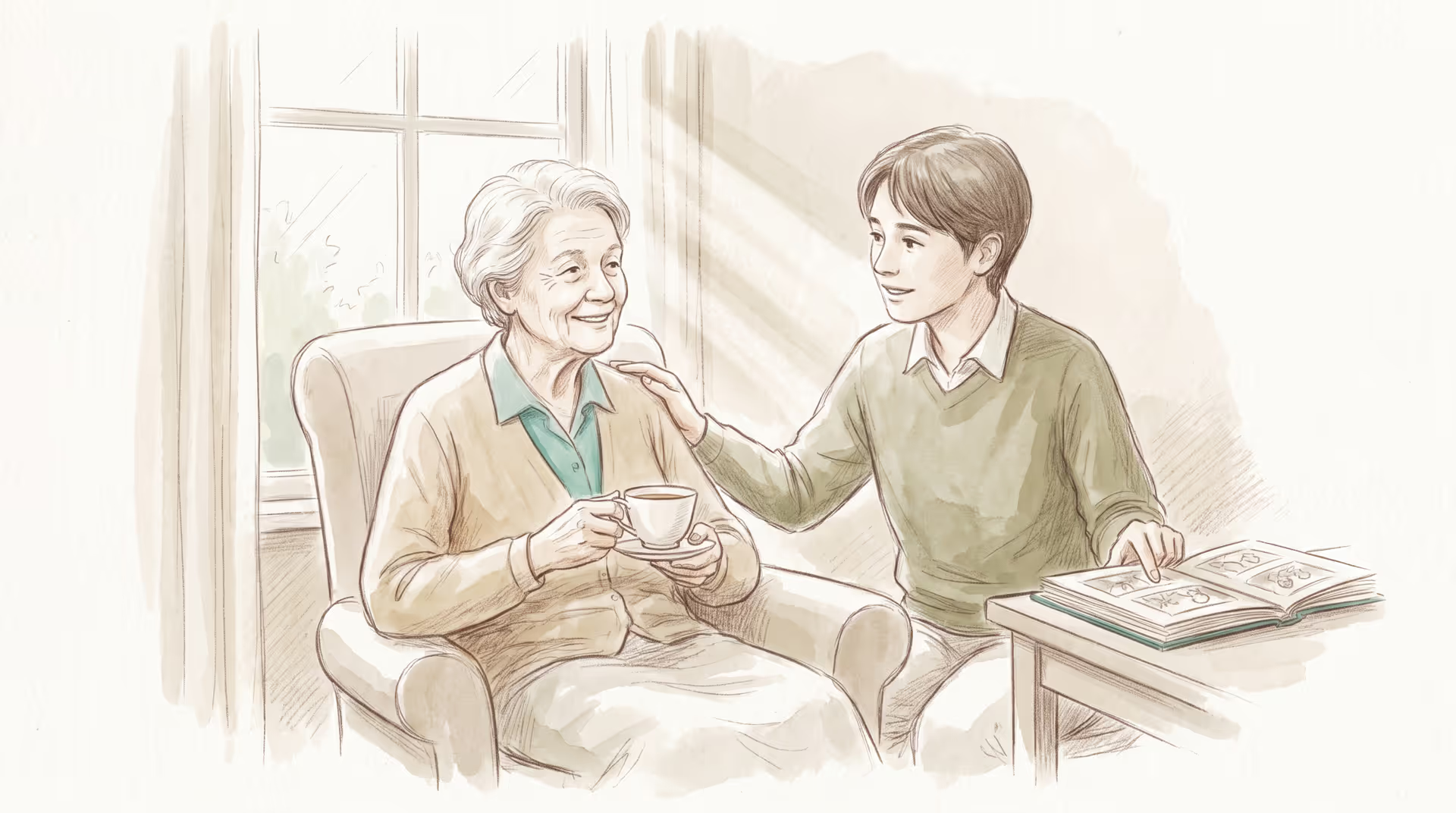
3 Gift Ideas For Seniors Who Say They Don’t Need Anything
Many older adults say they don’t want anything. They may be downsizing or simply feel they already have enough. If you want to give something thoughtful without adding clutter, pick gifts that bring comfort, connection, or ease. Here are three kinds of gifts that seniors usually appreciate — and practical tips to make them fit your parent’s needs.
 Read ArticleHealth6 min read
What Non Medical Home Care Is All About
Many families reach a point where a parent can still live at home but needs help with daily life. Non medical home care fills that gap. It focuses on safety, comfort, and everyday needs — not medical treatments. This article explains what non medical home care does, who it helps, how it differs from medical home health, and how to choose a provider.
 Read ArticleHealth6 min read
Celebrities And Famous People With ALS: Inspiring Stories To Promote Awareness
ALS, or amyotrophic lateral sclerosis, is a hard diagnosis for anyone. It affects the nerves that control muscles. Over time it can make speaking, swallowing, walking, and breathing harder. There is no cure yet. But many people with ALS — including well-known figures — have used their voices to raise awareness, push for better care, and inspire others. Their stories can help families who are arranging care for a parent or loved one living with ALS.
 Read ArticleHealth6 min read
June Is National Safety Month
June is National Safety Month. It’s a yearly reminder to look for simple ways to prevent injuries at work, on the road, and at home. If you are arranging in‑home care for an aging parent, this is a good time to review safety steps you can take now. The National Safety Council (NSC) has run this campaign since 1996 and offers free resources you can use. The National Institute for Occupational Safety and Health (NIOSH) also shares practical guidance on common hazards like falls and heat.
 Read ArticleHealth5 min read
What Age Is Considered Elderly
Deciding when someone is "elderly" can feel confusing. Different groups use different ages. In everyday life, people often point to 65. But age alone doesn't tell the whole story. Health, ability to do daily tasks, and life circumstances matter more when families make care decisions.
 Read ArticleHealth5 min read
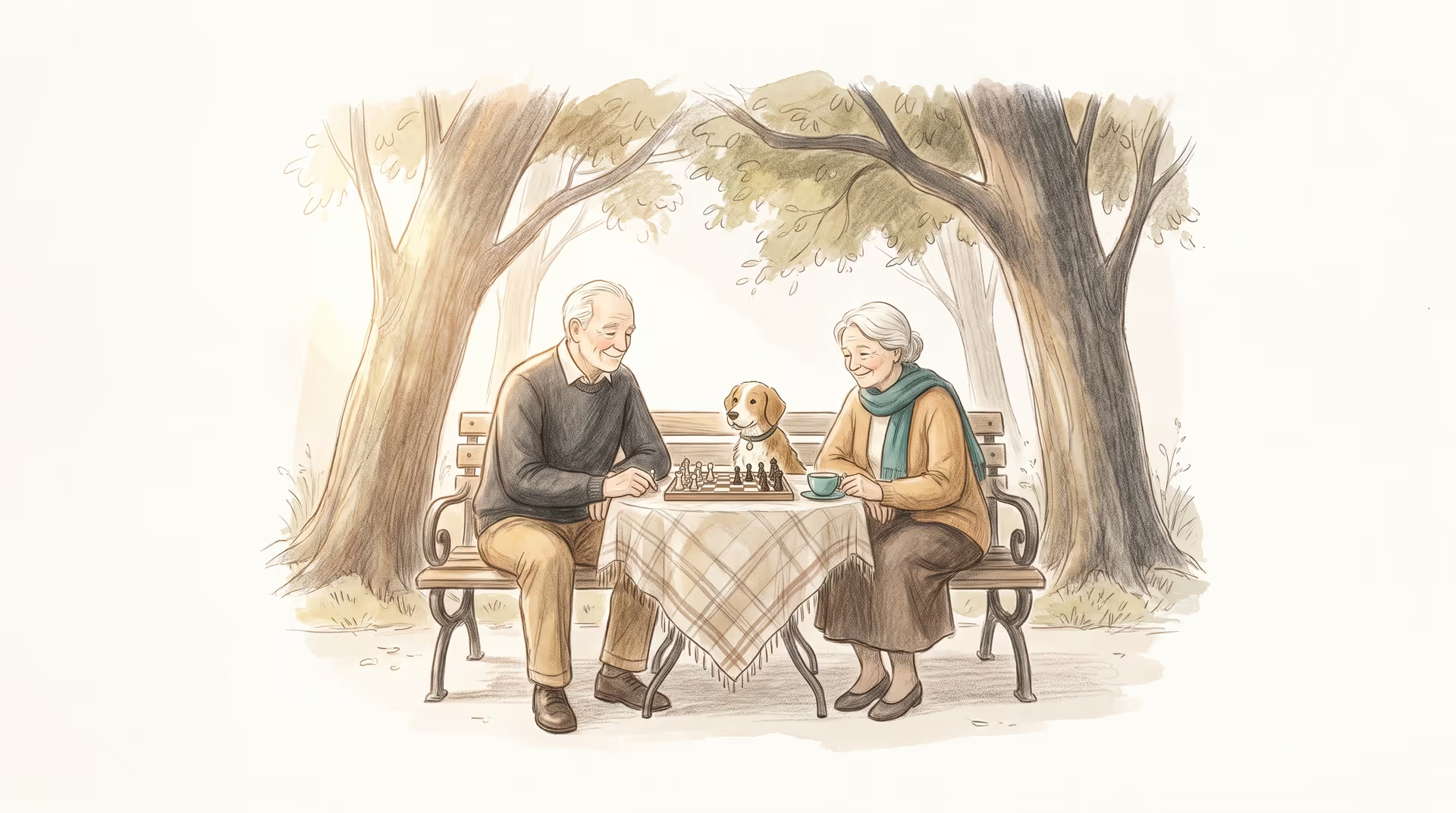
Embracing Companionship To Enhance Senior Well Being
Aging brings changes. Friends move away. Health slows. For many older adults, these changes lead to less social contact. Companionship is more than someone being in the same room. It is regular human connection that lifts mood, keeps the mind active, and helps a person stay in their home longer. This article explains why companionship matters and how families can bring more of it into a loved one’s life.
 Read ArticleHealth5 min read
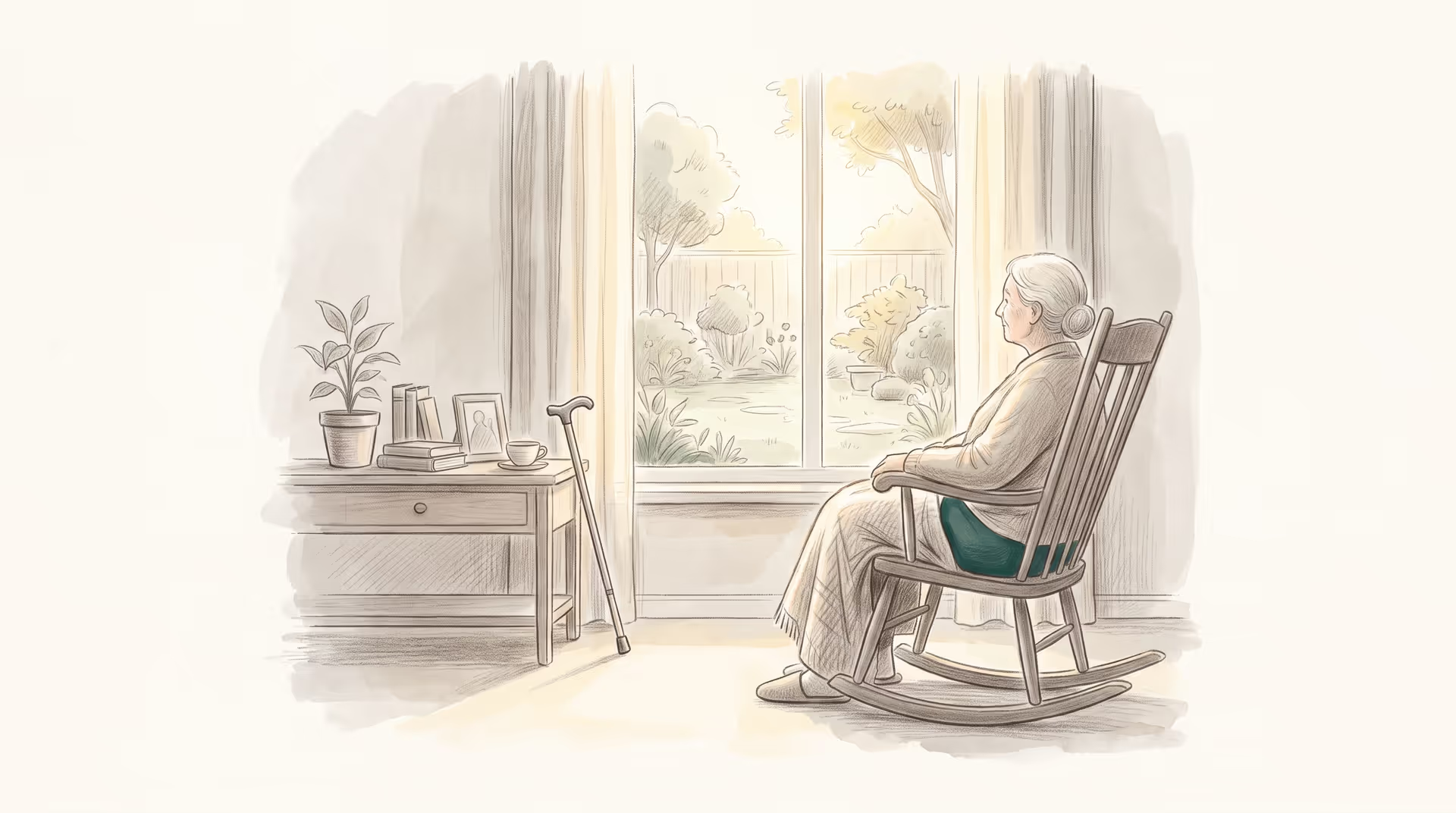
Low Impact Exercises
Keeping your parent active can make a big difference in their health. Low impact exercise reduces stress on joints. It still helps the heart, muscles, balance, and mood. This guide explains what low impact exercise is, why it helps, and easy ways a caregiver or family member can support a safe routine.
 Read ArticleHealth5 min read
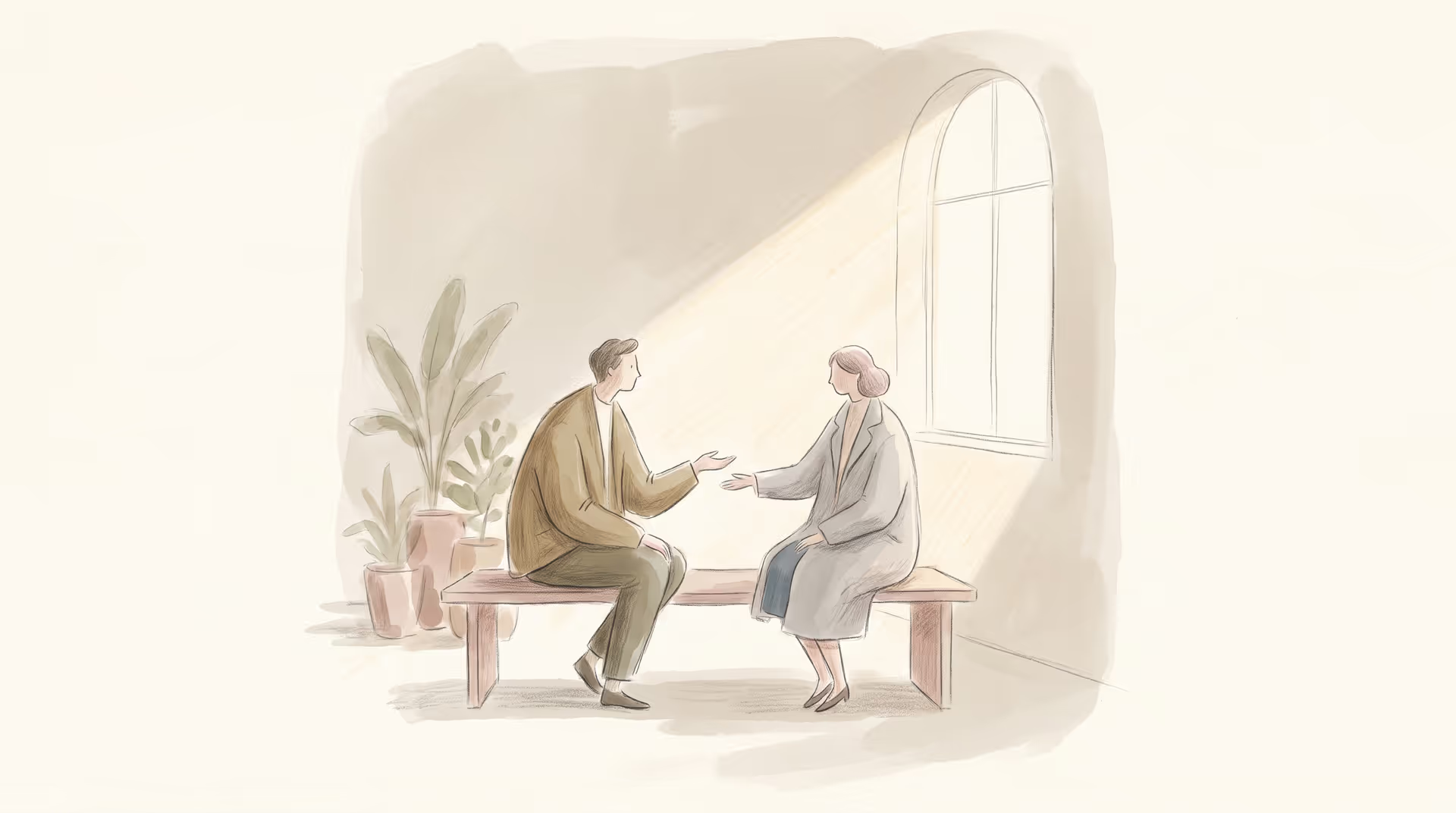
Looking For Assisted Living Memory Care? Remember These 5 Essentials
Choosing a memory care community for a parent is hard work. You want a place that keeps them safe, offers good care, and still feels like home. Below are five essentials to look for. They come from common best practices used by memory care providers and care advisors. Use this as a guide when you tour communities and talk with staff.
 Read ArticleHealth5 min read
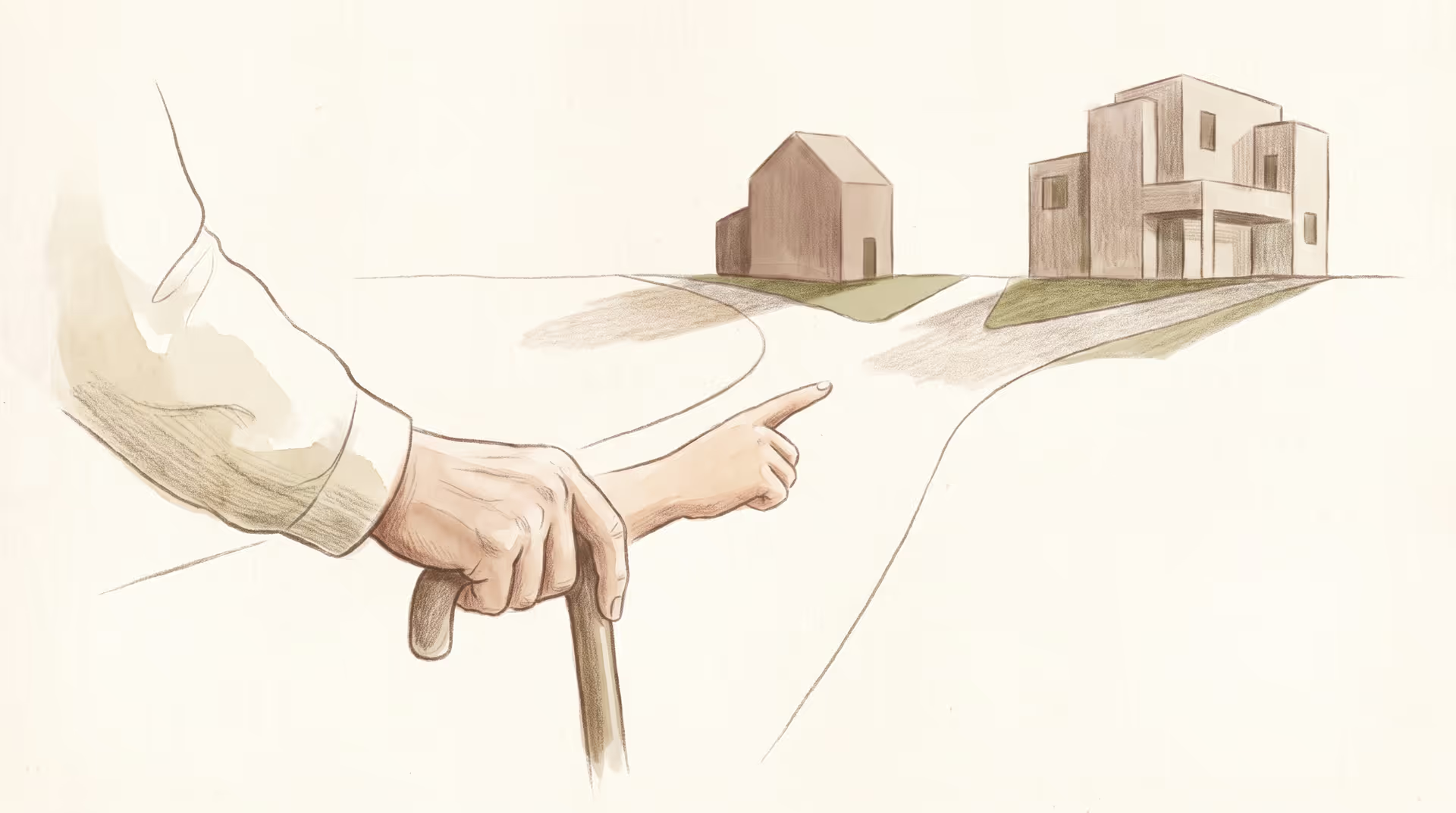
Aid Attendance
Many veterans and surviving spouses qualify for extra help from the VA called the Aid and Attendance benefit. It is designed to pay a monthly, tax-free pension when someone needs help with daily tasks. This article explains what Aid and Attendance is, who may qualify, how it is used, and how to apply.
 Read ArticleFinance6 min read
Understanding Medicare And Medicare Advantage
If you are helping a parent choose health coverage, Medicare decisions matter. Medicare can feel complicated. This guide breaks the main differences into plain language. It will help you compare Original Medicare and Medicare Advantage.
 Read ArticleHealth5 min read
What Is a Silver Alert
If an older adult with memory loss or another cognitive problem goes missing, families often feel scared and uncertain. A Silver Alert is a public notification system meant to help find missing seniors and other vulnerable adults quickly. This article explains how Silver Alerts work, when they are used, and what you should do if your parent wanders or goes missing.
 Read ArticleLifestyle4 min read
Funny Things Seniors Say
Seniors joke in ways that can surprise you. They mix memory, wisdom, and plain old mischief. If you are arranging in‑home care for a parent, these moments can break the tension. They also help you learn who they are now.
 Read ArticleHealth5 min read
Assisted Living And Placement Services
Finding the right place for a parent can feel overwhelming. There are many types of senior housing and care. Placement services can make the search easier. This article explains what placement services do, the care options you’ll see, and how to choose a placement agency. Use this as a checklist when you start your search.
