
Keeping your parent active can make a big difference in their health. Low impact exercise reduces stress on joints. It still helps the heart, muscles, balance, and mood. This guide explains what low impact exercise is, why it helps, and easy ways a caregiver or family member can support a safe routine.
What “low impact” means
Low impact exercise keeps at least one foot on the ground or supports the body in water or on equipment. That lowers the force through the knees, hips, and ankles. Examples are walking, cycling, swimming, yoga, rowing, and gentle strength work. These activities can raise the heart rate and build muscle without the pounding that comes from running or jumping.
Benefits for older adults
Low impact workouts offer many rewards that matter for aging parents:
- Easier on sore knees and hips. They cause less joint stress than high-impact activities.
- Build and maintain muscle. That helps with daily tasks and balance.
- Support bone health when resistance work is included.
- Help heart health and circulation.
- Improve flexibility, posture, and balance.
- Reduce stress and lift mood.
These benefits make low impact exercise a good fit when a parent has joint pain, is new to exercise, or is recovering from an injury.
Safe options to try
Start with what fits your parent’s current ability. Below are common low impact choices and why they work.
- Walking. No special gear is needed. It’s easy to adapt. Try a flat route, a park path, or a treadmill. Walks outside can lift mood and reduce stress.
- Swimming and water aerobics. Water supports body weight. That means less pressure on joints. The water also gives gentle resistance for strength.
- Cycling. A stationary bike or a regular bicycle provides a strong cardio workout with low joint load. Proper bike fit helps protect knees.
- Rowing. A rowing machine works the whole body and is low impact. Good form matters to avoid strain.
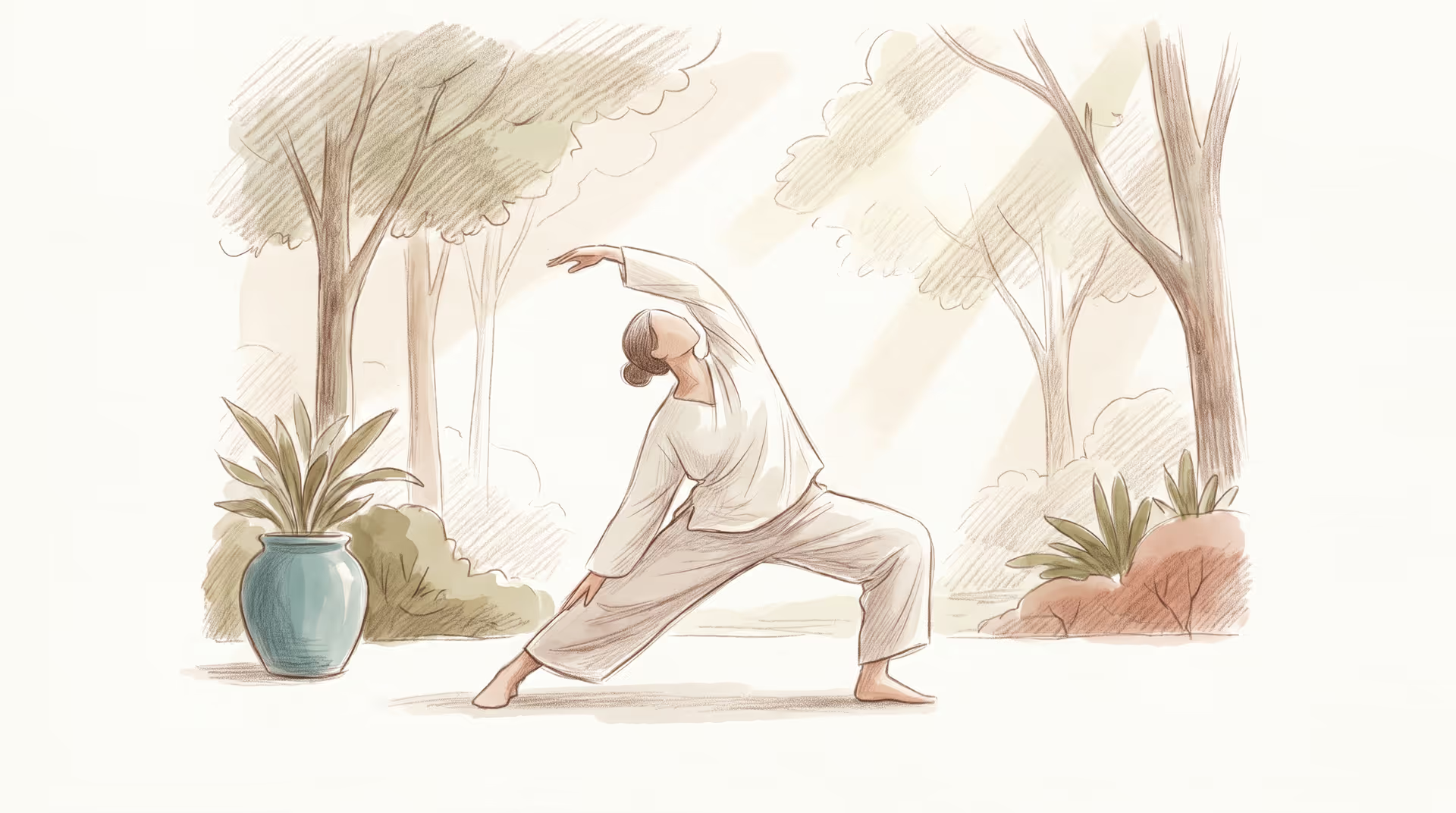
- Yoga and chair yoga. Yoga builds flexibility, balance, and strength. Chair yoga is a gentle option when standing balance is a concern.
- Strength training with light weights or resistance bands. Strength work helps preserve muscle and bone. Keep the movements controlled and the weights light at first.
- Chair-based exercises and gentle balance drills. These are useful for people with limited mobility or balance issues.
Caring for someone with limited mobility? Ask a physical therapist for tailored chair routines and balance exercises.
How to start safely
Before beginning any new program, check with the parent’s doctor. This is important if they have chronic conditions, recent surgery, or balance problems.
Follow these steps:
- Begin slowly. Short, regular sessions beat long, infrequent ones.
- Warm up before exercise with gentle movements or light marching in place.
- Use good shoes with grip and support.
- Keep the exercise area clear of rugs, cords, and clutter to prevent trips.
- Offer a sturdy chair or railing for balance.
- Watch breathing and fatigue. Stop if there is sharp pain, dizziness, or chest discomfort.
- Progress gradually. Increase time or resistance only when the movement feels comfortable.
If balance is a concern, consider supervised sessions or a home-visit from a physical therapist.
How much and how often
Consistency matters more than intensity. Aim for regular movement most days of the week. Even short sessions add up. If your parent tires easily, break activity into two or three short sessions instead of one long one. Listen to their body and adjust as needed.
Practical tips for family and caregivers
You can make exercise easier and safer for your parent. Try these approaches:
- Be a partner. Walk together or join a water class. Social support boosts motivation.
- Help schedule activity into the day. A set routine makes exercise a habit.
- Remove barriers. Offer transportation to a pool or senior exercise class. Set up a safe space at home with a mat, chair, or resistance bands.
- Encourage movement during daily tasks. Gardening, light housework, or short walks to the mailbox count as activity.
- Use gentle progressions. Increase time, not intensity, at first. Add resistance bands before heavier weights.
- Track improvements. Note better balance, easier stairs, or longer walks. Small wins matter.
If your parent uses an aide or in-home caregiver, include exercise steps in their care plan. Caregivers can prompt, supervise, or assist with exercises as allowed by their training.
Adaptations and modifications
Make adjustments based on mobility and health needs:
- Use a chair for sitting versions of squats, leg lifts, or stretches.
- Try water workouts if standing is painful.
- Break exercises into smaller sets with rest between.
- Replace standing balance drills with seated core and leg work until balance improves.
- Work with a physical therapist to adapt exercises after surgery or for chronic pain.
When to get professional help
Talk to a doctor or physical therapist if:
- Your parent has new or worsening pain with activity.
- They have frequent falls or poor balance.
- There are heart or breathing symptoms during exercise.
- They need an individualized plan after surgery or illness.
A therapist can give safe progressions and teach correct technique.
Final thoughts
Low impact exercise is a practical way to help an aging parent stay strong, steady, and independent. It can be gentle and still effective. Start slowly. Keep safety first. Look for activities your parent enjoys. Small, steady steps make the biggest difference over time.
