
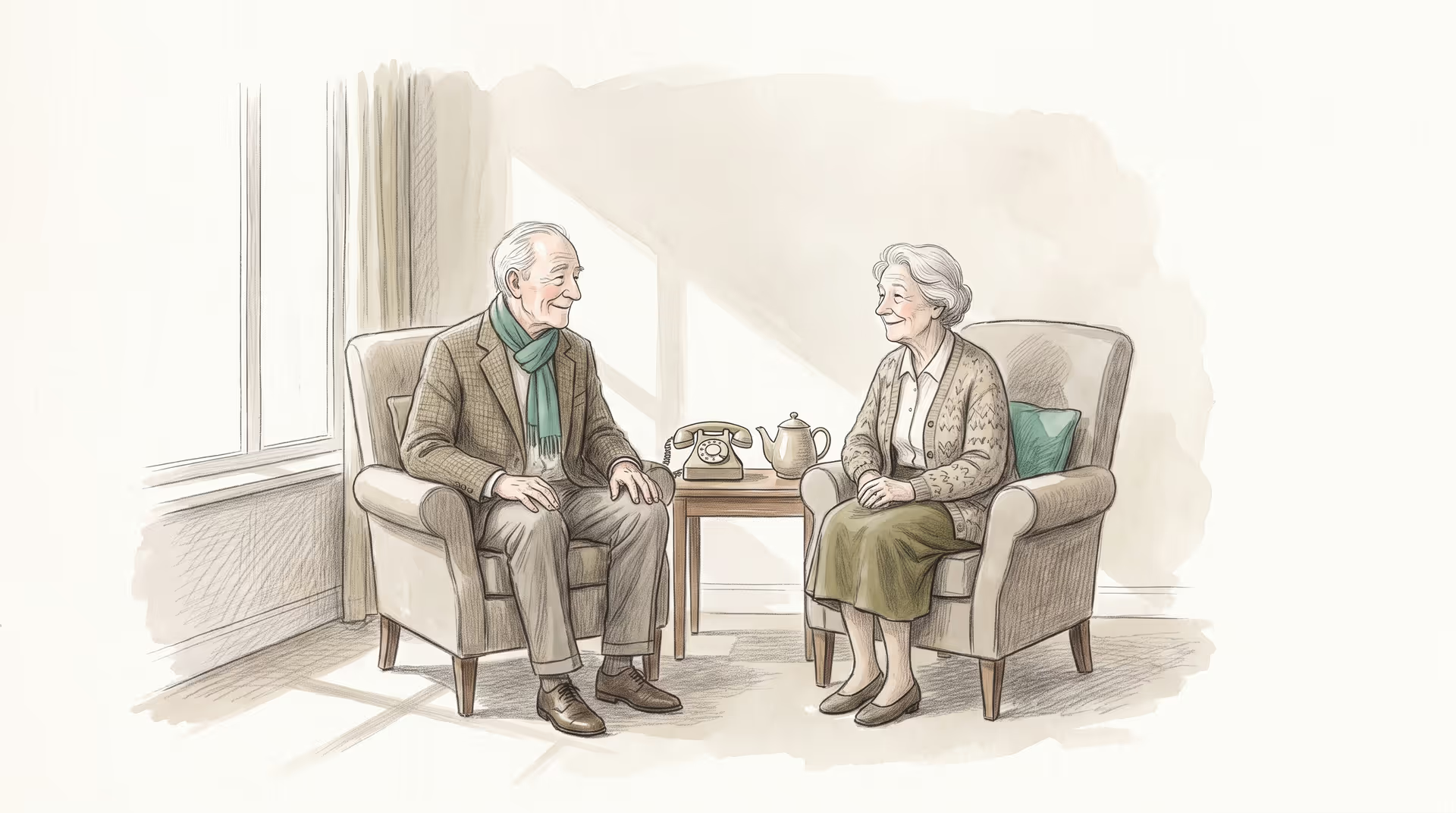
Short intro: Seniors joke in ways that can surprise you. They mix memory, wisdom, and plain old mischief. If you are arranging in‑home care for a parent, these moments can break the tension. They also help you learn who they are now.
Why seniors often say funny things
Aging brings changes in memory, hearing, and energy. Those changes can make comments sound unexpected. Sometimes a word gets mixed up. Sometimes a quick comeback shows a sharp mind. Caregivers and family members often share these lines because they are honest and human.
Humor also helps older adults cope. Research shows that laughing can support mental health and reduce loneliness. Some small studies even found health benefits for patients who watched comedy instead of documentaries. So a good laugh can be more than a moment — it can be part of staying well.
Common kinds of funny lines you’ll hear
Here are types of things seniors often say, with simple examples you might recognize.
- Confused tech talk: They may call a smartphone a “telephone with a TV” or ask, “What’s an app?”
- Time slips: They might ask if “TikTok” is the time or say the past week felt like “yesterday.”
- Hearing jokes: “Was that the doorbell or my hearing aid?” or “You’ll need subtitles for my stories.”
- Wry wisdom: “Getting older has its perks — you can’t be peer pressured.”
- Playful self‑deprecation: “I was diagnosed with A.A.A.D.D. this weekend — Age Activated Attention Deficit Disorder.”
- Money or travel jokes: “Attach your butt to the car and we’ll save on gas.”
- Relationship humor: Funny quips about marriage, retirement, or kids choosing the nursing home.
- One‑liners about the body: Jokes about knees, memory, or needing a pumice stone for toenails.
Many caregivers and family blogs collect these lines because they pop up every day. They make routines lighter. They also give a window into personality.
How to respond when a parent says something funny
A few simple moves keep the moment kind and safe.
- Laugh with them. A shared laugh builds connection.
- Don’t correct in public. If their words come from memory gaps, correction can embarrass them.
- Check safety if the comment shows confusion. Sudden changes in speech or thinking can signal a medical issue. Call the doctor if confusion is new or sudden.
- Use the moment to learn. A joke about not hearing could mean they need a hearing check.
- Keep it respectful. Humor is best when it doesn’t make them feel small.
Small, warm responses matter more than the perfect line. “That was funny” or “You always make me laugh” tells them you appreciate them.
Ways to bring more laughter into care
If you are arranging in‑home care, consider how humor can be part of the plan.
- Choose caregivers who enjoy light conversation. Many home‑care agencies note that humor helps caregivers and clients bond.
- Keep a memory book of favorite jokes and stories. Caregivers can read it aloud.
- Use entertainment that provokes smiles: old comedies, funny radio shows, or family photo albums.
- Plan small social visits. Visits from grandkids or friends often spark playful lines.
- Encourage storytelling. Ask open questions like “What’s the funniest thing that ever happened to you?” That prompt often brings out gems.
Laughter is low cost and low risk. It often improves mood for everyone in the room.
When funny stops being funny — warning signs
Not all unusual comments are harmless. Watch for these red flags and act quickly if you see them.
- Sudden, persistent confusion that is new.
- Trouble finding words when they usually speak clearly.
- Hallucinations, severe mood swings, or behavior that seems out of character.
- Fainting, difficulty walking, or other physical changes alongside odd speech.
These signs can mean delirium, infection, medication reaction, or another medical problem. Contact a physician or seek urgent care if you suspect a serious issue.
Keep the dignity, enjoy the moments
Funny comments from seniors often mix truth, nostalgia, and mischief. They remind us that personality stays with someone even as needs change. As you plan care, look for caregivers who value those moments. Encourage humor while staying alert to health changes.
Those small, unexpected lines can become favorite memories. They help you see your parent as a person — with a sense of humor, history, and heart. Keep a journal or record the best lines. Years from now, those notes will mean a lot.
If you need help finding a caregiver who respects both safety and personality, talk with local home‑care providers. The right match can make room for laughter every day.
