
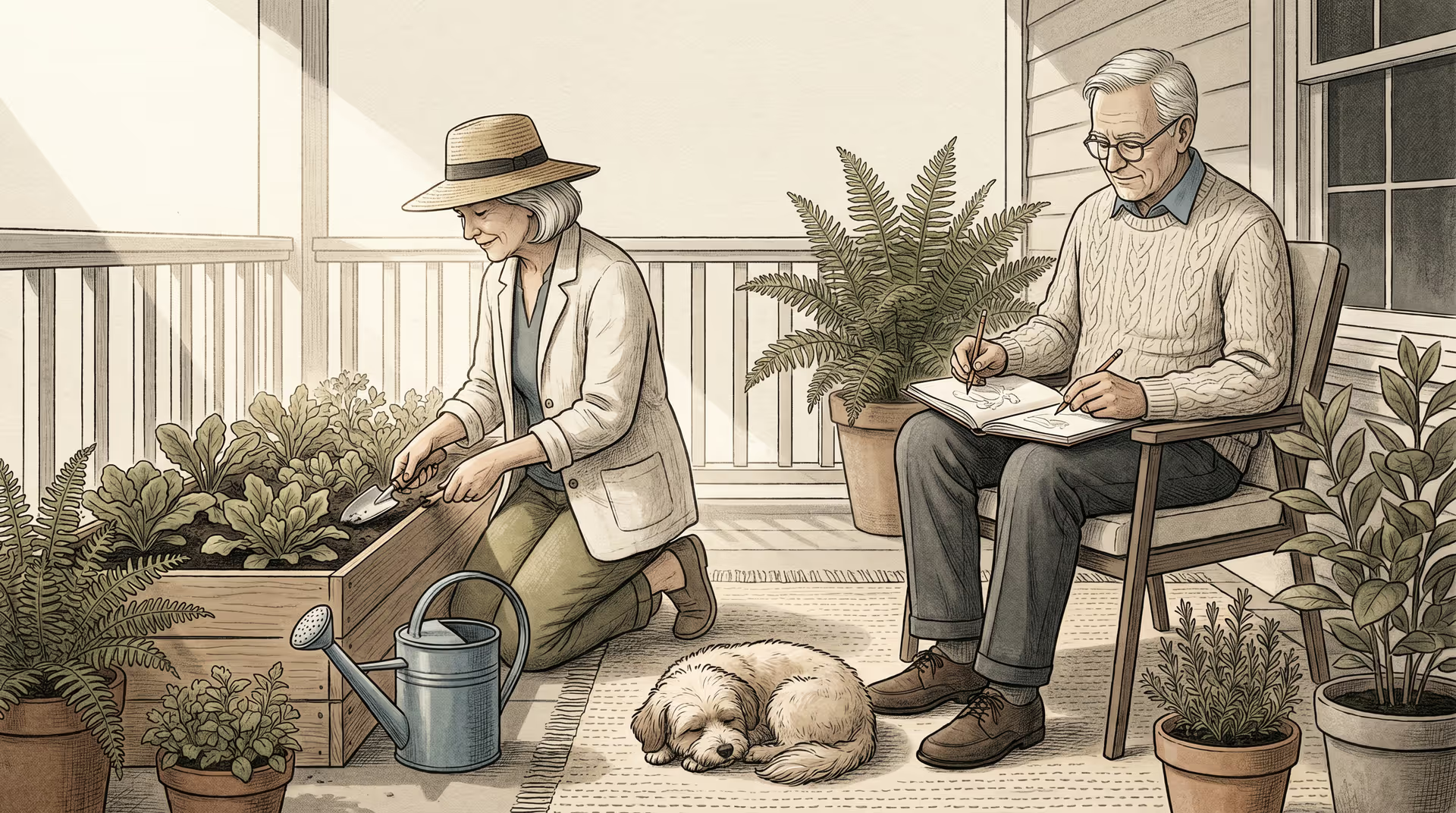
A good hobby does more than fill an afternoon. For older adults, the right activities sharpen the mind and steady the body while keeping loneliness at bay. Research from the National Institute on Aging shows that staying engaged in meaningful activities is linked to a lower risk of dementia, heart disease, stroke, and depression, and to simply feeling better day to day.
The trick is finding hobbies that fit your energy, your interests, and your stage of life. Some days call for a quiet puzzle by the window; others call for fresh air and a walk with friends. The most satisfying routines usually mix all of it: something for the hands and the heart, plus something that gets you outside.
This guide organizes hobbies by what they do for you, so you can build a week that feels full rather than busy.
Indoor and creative pursuits
Creative hobbies are perfect for cooler weather, lower-energy days, or anyone who simply loves making things. They exercise focus and memory while producing something tangible to be proud of.
- Painting, drawing, and adult coloring: no experience required; the act of choosing colors and shapes is calming and meditative.
- Knitting, crochet, and needlework: repetitive, soothing, and easy on the budget, with a finished gift at the end.
- Writing and journaling: capturing a memoir, family stories, or daily reflections gives voice to a lifetime of experience.
- Music: learning or returning to an instrument keeps the brain agile; singing in a group adds a social spark.
- Cooking and baking: a creative outlet that also supports good nutrition. (See our senior nutrition guide for eating well as you age.)
- Puzzles, chess, and card games: jigsaw puzzles and strategy games strengthen attention, spatial reasoning, and recall.
Social and group activities
Connection is one of the strongest predictors of healthy aging. The NIA notes that staying socially active helps protect both memory and mood, while isolation raises the risk of decline. Hobbies you do with people deliver a double benefit.
- Book clubs and discussion groups: pair reading with conversation and a standing reason to gather.
- Volunteering and mentoring: tutoring, helping at a food bank, or sharing a career's worth of knowledge restores a sense of purpose.
- Dance and group fitness classes: movement plus music plus company, all at once.
- Faith and community groups: a built-in network and a steady rhythm to the week.
- Cards, dominoes, and game nights: low-stakes, easy to host, and endlessly repeatable.
- Caring for a pet: companionship, routine, and a reason to move. Our guide to pets for seniors covers choosing the right match.
If loneliness has crept in, you are far from alone, and there are gentle ways back. See our piece on social connection and loneliness in older adults.
Getting outside: fresh air, light, and gentle movement
There is something specific and measurable about time spent outdoors. Sunlight helps the body produce vitamin D, which supports bone strength and may lift mood; the NIH Office of Dietary Supplements explains how sun exposure factors into vitamin D levels. Daylight also helps regulate sleep, and being outside naturally invites the kind of gentle, weight-bearing movement that protects balance and independence.
You do not need to be athletic. The CDC's physical activity guidelines for older adults recommend about 150 minutes of moderate activity a week, a goal you can reach in short, pleasant outdoor sessions.
Ten approachable outdoor activities:
- Walking a neighborhood loop or park trail
- Gardening: flowers, vegetables, or container pots on a patio
- Birdwatching with a feeder and a notebook
- Tai chi or chair yoga in a yard or park
- Nature photography on slow strolls
- Picnics with family or friends
- Fishing from a calm shoreline or dock
- Cycling on a trike or recumbent bike for stability
- Pickleball or bocce for low-impact friendly competition
- Farmers' markets: a walk, a chat, and fresh food in one outing
For safety, wear a hat and sunscreen, hydrate, choose cooler parts of the day in summer, and start small. For building a sustainable routine, our best exercises for seniors guide covers strength, balance, and flexibility.
Activity categories at a glance
| Category | Activity Ideas | Key Benefits |
|---|---|---|
| Indoor & Creative | Painting, knitting, writing, music, puzzles, baking | Sharper focus and memory, calm and self-expression, fine-motor skill |
| Social & Group | Book clubs, volunteering, dance classes, game nights, faith groups | Less loneliness, better mood, sense of purpose, brain stimulation |
| Outdoor & Active | Walking, gardening, birdwatching, tai chi, pickleball, fishing | Vitamin D, better sleep, balance and bone strength, lower disease risk |
| Mind & Learning | Languages, genealogy, documentaries, lectures, citizen science | Cognitive reserve, curiosity, conversation starters |
| Restful & Reflective | Reading, journaling, meditation, listening to music | Lower stress, emotional steadiness, better sleep |
This blend is the goal: when a week touches each row, it tends to feel both restful and rewarding.
How to choose (and actually stick with) a hobby
- Start with what you already enjoy. Revisit an old pastime before reinventing yourself.
- Match the hobby to your body today. Choose seated or low-impact options if mobility or fatigue are concerns, and adapt the activity to keep it going.
- Lower the bar to entry. A single library class or one walk with a neighbor counts. Momentum builds on small wins.
- Bundle it with people. Hobbies tied to a group or a standing date are the ones that last.
- Think about wellness as a whole. Hobbies feed several dimensions of wellness for seniors at once: physical, social, emotional, and intellectual.
A note for families: many assisted living and senior living communities build their calendars around exactly these activities (group fitness, art studios, gardens, outings, and clubs), which can make staying engaged far easier than going it alone.
Frequently asked questions
What are good hobbies for seniors with limited mobility? Plenty translate well to a chair or a slower pace: reading, knitting, painting, puzzles, journaling, card games, chair yoga, and container gardening. The aim is to adapt an activity to your ability so you can keep enjoying it.
How much outdoor activity should an older adult aim for? The CDC suggests roughly 150 minutes of moderate movement weekly, plus muscle-strengthening twice a week. Short, frequent outings (a 15-minute walk, a half hour in the garden) add up and are easier to sustain.
Can hobbies really affect health, or do they just pass the time? They genuinely affect health. The National Institute on Aging links staying active and engaged with a lower risk of dementia, heart disease, stroke, and depression, along with better mood and stronger social ties.
It feels too late to start something new. Is it? It isn't. The body and brain keep adapting throughout life, and beginners are welcome at most senior centers, libraries, and community classes. Pick one small thing this week and let it grow from there.
