
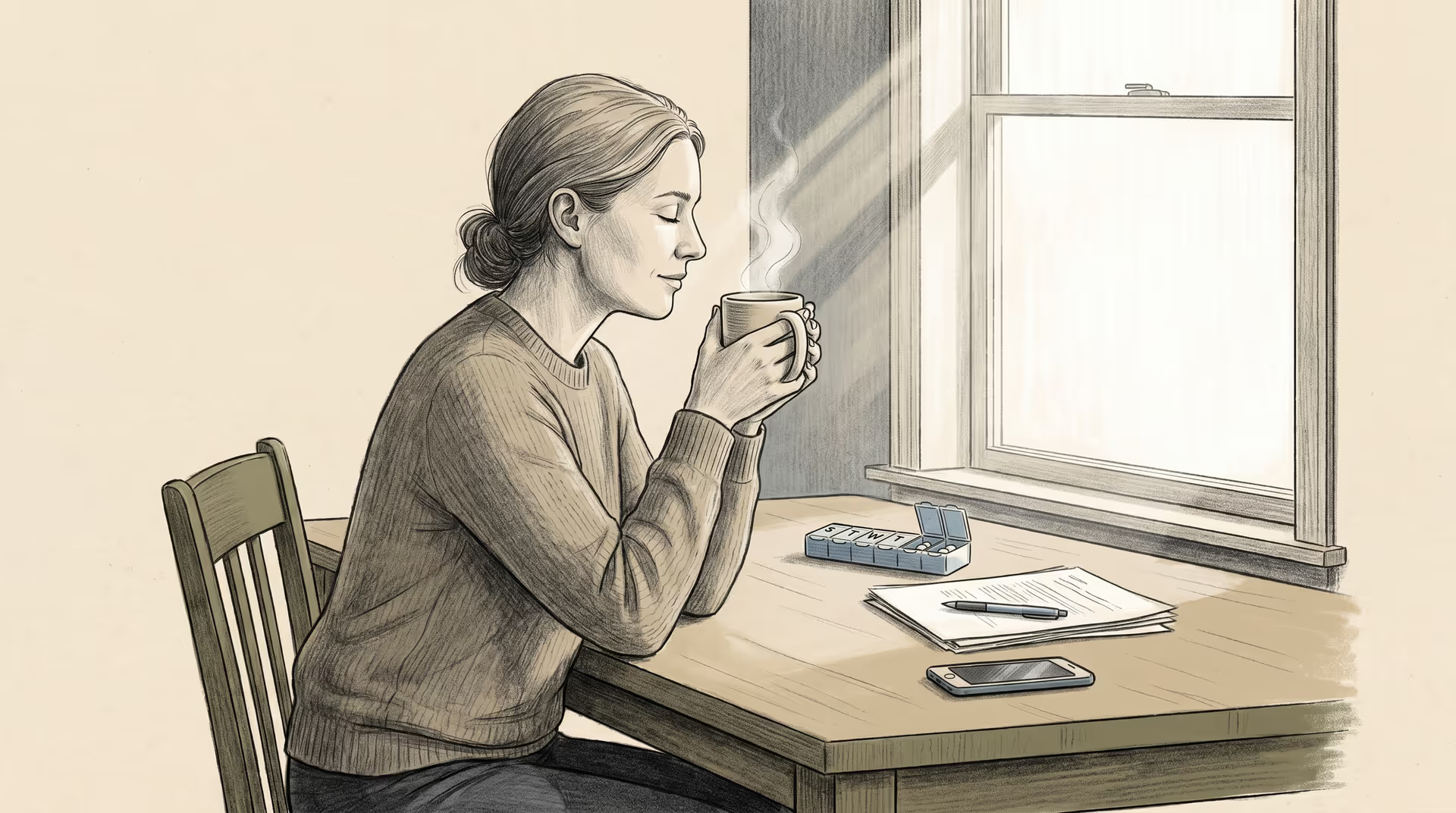
Caring for an aging parent or spouse is one of the most loving things a person can do. It can also quietly wear you down until the love feels buried under exhaustion. Caregiver burnout is the state of physical, emotional, and mental depletion that builds when the demands of caring for someone outpace the support and rest you give yourself. It is not a character flaw or a sign that you love the person any less. It happens when a marathon gets treated like a sprint, year after year.
The good news: burnout has recognizable warning signs, predictable causes, and practical ways to recover. A self-check can help you see where you stand today.
Why caregiver burnout happens
Burnout rarely arrives from a single dramatic moment; it accumulates gradually. A few forces make family caregivers especially vulnerable:
- No clear off-switch. Unlike a paid shift, family caregiving has no end-of-day handoff. The responsibility follows you to bed and wakes up with you.
- The role crept up on you. Many people never decide to become a caregiver. Tasks pile on gradually until you are managing medications, finances, meals, and emotions without ever having signed up.
- Caring for two generations at once. If you are also raising children, you may be part of the sandwich generation, squeezed between a parent's needs and your kids'.
- Personal care is intimate and tiring. Helping with bathing, dressing, and mobility, the work of personal care for seniors, is physically demanding and emotionally complex, especially with a parent.
- Guilt makes you say yes to everything. Many caregivers believe asking for help means failing, so they absorb more and more until there is nothing left to give.
Understanding the cause matters, because the fix is usually "share the load."
The warning signs: a caregiver burnout self-check
Burnout shows up in your body, your emotions, and your behavior. An honest checklist can help. Read each statement and notice how many sound like your last few weeks.
| Category | Warning sign | Sounds like me lately |
|---|---|---|
| Physical | Constantly tired, even after sleeping | ☐ |
| Physical | Sleeping too much or too little | ☐ |
| Physical | New or worsening headaches, pain, or illnesses | ☐ |
| Physical | Noticeable weight gain or loss | ☐ |
| Emotional | Irritable, snapping at the person you care for | ☐ |
| Emotional | Persistent sadness, anxiety, or hopelessness | ☐ |
| Emotional | Feeling resentful, then guilty for feeling resentful | ☐ |
| Emotional | Loss of interest in things you used to enjoy | ☐ |
| Behavioral | Pulling away from friends and family | ☐ |
| Behavioral | Skipping your own meals, appointments, or medications | ☐ |
| Behavioral | Relying more on alcohol, food, or caffeine to cope | ☐ |
| Behavioral | Feeling that caregiving has taken over your identity | ☐ |
How to read your results: A few checked boxes are a normal part of a hard season; treat them as an early warning to add support now. Half or more, especially across all three categories, suggests you are well into burnout and your own health is at risk. If you ever feel you might harm yourself or the person you care for, that is an emergency: call or text 988 (the Suicide and Crisis Lifeline) right away.
How to cope and recover
Recovering from burnout is not about a single grand gesture. It is a handful of repeatable habits.
- Ask for help before you hit the wall. Make a short, specific list ("drive Mom to dialysis Tuesdays," "sit with Dad Saturday afternoons") and hand pieces to siblings, neighbors, or your faith community. People often want to help but don't know how.
- Build in respite. Respite care (a few hours, a day, or a short stay with another caregiver) exists precisely so you can rest and recharge. Even regular short breaks can lower stress.
- Protect your own health. Keep your doctor and dentist appointments, move your body when you can, and guard your sleep. Your energy runs out if you never take time to rest.
- Set boundaries without guilt. You are allowed to say "not today" and to decline tasks others can do. Boundaries are what make long-term caregiving sustainable.
- Stay connected. Isolation feeds burnout. A weekly call with a friend or a caregiver support group reminds you that you are still a whole person with a life of your own.
- Use technology to lighten the mental load. Shared calendars, medication reminders, and the best caregiver apps can take the constant remembering off your shoulders.
- Talk to a professional. A counselor, social worker, or your doctor can help, and treating burnout early is far easier than recovering from a collapse.
If you are managing care from afar, the strain has its own texture; our guide to long-distance caregiving covers coordinating help when you can't be there in person.
When senior living can relieve the load
Sometimes the most caring decision is to stop carrying everything alone. If you are checking most boxes above, if the person's needs now exceed what one household can safely provide, or if your own health is failing, a move to assisted living or memory care can be a sustainable way for them to be well cared for and for you to be their family again after long stretches as their around-the-clock staff.
Senior living shifts the day-to-day care (bathing, medications, meals, supervision) onto a trained team, while you return to the role of son, daughter, or spouse. Many caregivers describe the relief as getting their relationship back. When you reach that point, how to start your senior living search walks through the first practical steps without pressure.
Frequently asked questions
What is the difference between caregiver burnout and compassion fatigue? They overlap but differ in cause and timeline. Burnout builds slowly from chronic overwork and too little support, and it eases when the workload lightens. Compassion fatigue can hit more suddenly from the emotional toll of witnessing suffering, and it often responds to processing those feelings rather than simply resting.
Is it normal to feel resentful or angry toward the person I care for? Yes. Resentment and anger are common reactions to relentless demands and do not mean you are a bad person. Acknowledging the feeling, rather than burying it under guilt, is part of staying healthy enough to keep caring.
How do I know when it's time to get more help? When your own health, relationships, or safety are slipping, when the person's needs exceed what you can safely meet, or when you dread each day. Those are signals to bring in respite, paid help, or a senior living community, not signs of failure.
Where can I find free caregiver support? Start with the federal Eldercare Locator, which connects you to local respite and support services, and the Alzheimer's Association for caregiver stress resources. The National Institute on Aging and the CDC also publish practical, no-cost self-care guidance, and the federal Office on Women's Health offers a clear overview of caregiver stress.
Caring for someone you love is a long road. Tending to your own well-being along the way is how you keep showing up.
