
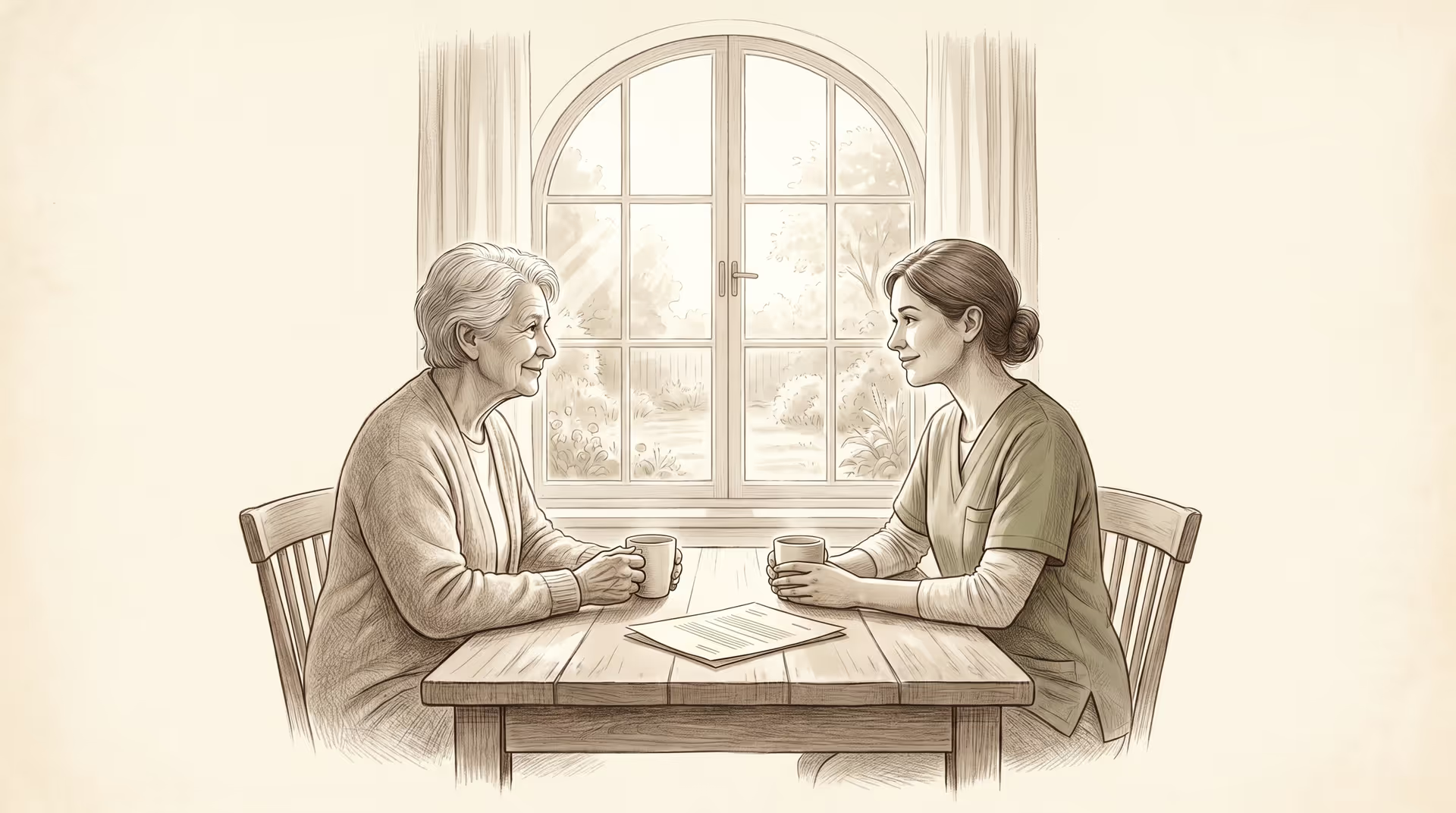
For someone living with dementia, the world can feel like a book with the pages shuffled, familiar but never quite in order. Memory loss makes the next thing unpredictable, and unpredictability breeds anxiety. This is why one of the most powerful tools a caregiver has costs nothing and lives on no pharmacy shelf: a predictable daily routine. When the rhythm of the day is steady (the same wake-up, the same lunch, the same evening wind-down) the brain has less to figure out, and that quiet relief shows up as calmer moods, better sleep, and a person who can still do more for themselves.
A routine means building a gentle, repeating shape to the day that your loved one's memory can lean on, even when the details slip away. It doesn't demand rigid scheduling or filling every minute.
Why routine helps so much
Dementia erodes short-term memory and the ability to plan, but it tends to spare deeply ingrained habits and emotional memory far longer. A consistent routine works with that biology. When the same things happen at the same times, the person doesn't have to consciously remember what comes next; the day carries them. The benefits are concrete:
- Less anxiety and agitation. Surprises and decisions are what overwhelm a struggling memory. A familiar rhythm removes hundreds of small "what now?" moments before they can spark distress.
- Better sleep. Regular wake and bedtimes, daylight in the morning, and a calm evening help reset a body clock that dementia often scrambles, which also eases sundowning.
- Preserved independence. A predictable structure lets someone keep doing the steps they still know by heart (buttoning a shirt, setting the table, folding towels) long after they could manage a brand-new task.
- Calmer caregiving. When the day has a known shape, you spend less energy redirecting and negotiating, and more on connection.
A sample daily routine
The single most useful thing you can build is a written, repeatable plan. Below is a sample for someone in the early-to-middle stages, a flexible starting template to adapt to your loved one's personality, energy, and lifelong habits. Schedule the most demanding activities for mid-morning, when many people with dementia are at their sharpest, and keep late afternoon and evening calm.
| Time | Activity | Why it works |
|---|---|---|
| 7:30 AM | Wake, open curtains, gentle morning greeting | Morning light anchors the body clock |
| 8:00 AM | Bathing & dressing, with as much done independently as possible | Familiar self-care preserves dignity and skill |
| 8:45 AM | Breakfast, same spot at the table | Mealtime consistency reduces refusals |
| 9:30 AM | A short walk or chair exercises | Movement lifts mood and aids sleep later |
| 10:30 AM | "Big task" of the day: an appointment, errand, or project | Peak alertness window for anything demanding |
| 12:00 PM | Lunch, then a quiet rest (not a long nap) | Light recharge without disrupting nighttime sleep |
| 2:00 PM | Engaging activity: music, art, baking, folding laundry, looking at photos | Purposeful, low-pressure, taps long-term memory |
| 4:00 PM | Calm, low-stimulation time as the day winds down | Heads off late-day agitation and sundowning |
| 5:30 PM | Early, unhurried dinner | Avoids hunger-driven distress and late stimulation |
| 7:00 PM | Soothing bedtime routine: warm drink, soft music, dim lights | Familiar cues signal the body it's time to rest |
Keep a printed copy where you'll see it, and let the sequence matter more than the exact clock times. Some days will slide by an hour, and that's fine; the point is the order rather than precise timing.
Building calm into each part of the day
Mornings set the tone. Get natural light in early, keep the wake-up unhurried, and let the person do as much of their own grooming and dressing as they safely can. Laying out clothes in the order they go on removes a confusing decision.
Meals go more smoothly with consistency: same table, same time, fewer choices. Offer one plate rather than a buffet, keep the table free of clutter, and don't rush. If you're navigating appetite or nutrition changes, our senior nutrition guide has practical strategies.
Activities should feel purposeful. The goal is engagement without pressure: a familiar song, sorting socks, watering plants, kneading dough. Gentle movement matters too; see our roundup of best exercises for seniors for low-impact ideas. Match the activity to abilities the person still has, and let "good enough" be good enough.
Evenings are when many caregivers see the hardest behavior. As light fades, confusion and restlessness can rise. Build a wind-down: lower the lights, reduce noise and TV news, offer a warm (non-caffeinated) drink, and lean on the same soothing cues every night.
Handling sundowning
Sundowning (agitation, pacing, or confusion that ramps up in the late afternoon and evening) is one of the most exhausting parts of dementia care, and routine is your best defense. The National Institute on Aging's guidance on coping with agitation, aggression, and sundowning recommends:
- Keep a consistent daily schedule, especially wake and bedtimes
- Get morning daylight and some physical activity each day
- Limit caffeine and avoid alcohol, especially later in the day
- Discourage long afternoon naps and late-day dozing
- Plan the calmest, lowest-demand activities for late afternoon
- Close curtains before dusk to soften the unsettling shift in light
- Redirect gently with a snack, a favorite song, or a simple chore when agitation builds
If sundowning is severe or sudden, mention it to the doctor; pain, infection, a sleep disorder, or a medication side effect can all be hidden triggers worth ruling out.
Flexibility is part of the plan
There's a paradox at the heart of good dementia care: structure works precisely because it's gentle, not because it's strict. The routine exists to serve your loved one. If they're enjoying an activity, let it run long. If a bad morning means breakfast happens at ten, so be it. Push back too hard on the schedule and you trade the calm you were trying to create for a power struggle.
Watch for what isn't working and adjust. Dementia changes over time, and a routine that fit six months ago may need to soften as abilities shift. Stay attuned, keep the bones of the day consistent, and give yourself, the caregiver, permission to rest inside the rhythm too. For more on protecting your own footing, our guide to long-distance caregiving and overview of memory care communities can help when the daily load grows beyond what one home can hold.
Frequently asked questions
How strict should a dementia routine be? Consistent, not rigid. Keep the order of the day and the main anchors (wake time, meals, bedtime) steady, but stay flexible on exact timing. The routine should reduce stress for everyone involved.
What time of day is best for difficult tasks? Mid-morning, after breakfast, is when many people with dementia are most alert and cooperative. Save appointments, bathing, or anything demanding for that window, and keep late afternoon calm.
Will a routine stop sundowning completely? Not always, but a steady schedule, morning light, daytime activity, and a calm evening wind-down are the most effective non-drug tools for reducing it. Persistent or sudden sundowning is worth a doctor's visit.
How do I keep my loved one independent? Build the routine around steps they can still do themselves, break tasks into small pieces, lay things out in order, and don't rush. Doing with rather than for preserves both skill and dignity.
The bottom line
A predictable daily routine is quiet, unglamorous, and remarkably powerful. It won't reverse dementia, but it gives your loved one a steady shape to lean on when memory can't: less anxiety, better sleep, more independence, and calmer days for everyone. Build a gentle plan, anchor the day with consistent meals and rest, soften the evenings, and hold it all loosely. In the end, the steady rhythm of the day is what helps most.
