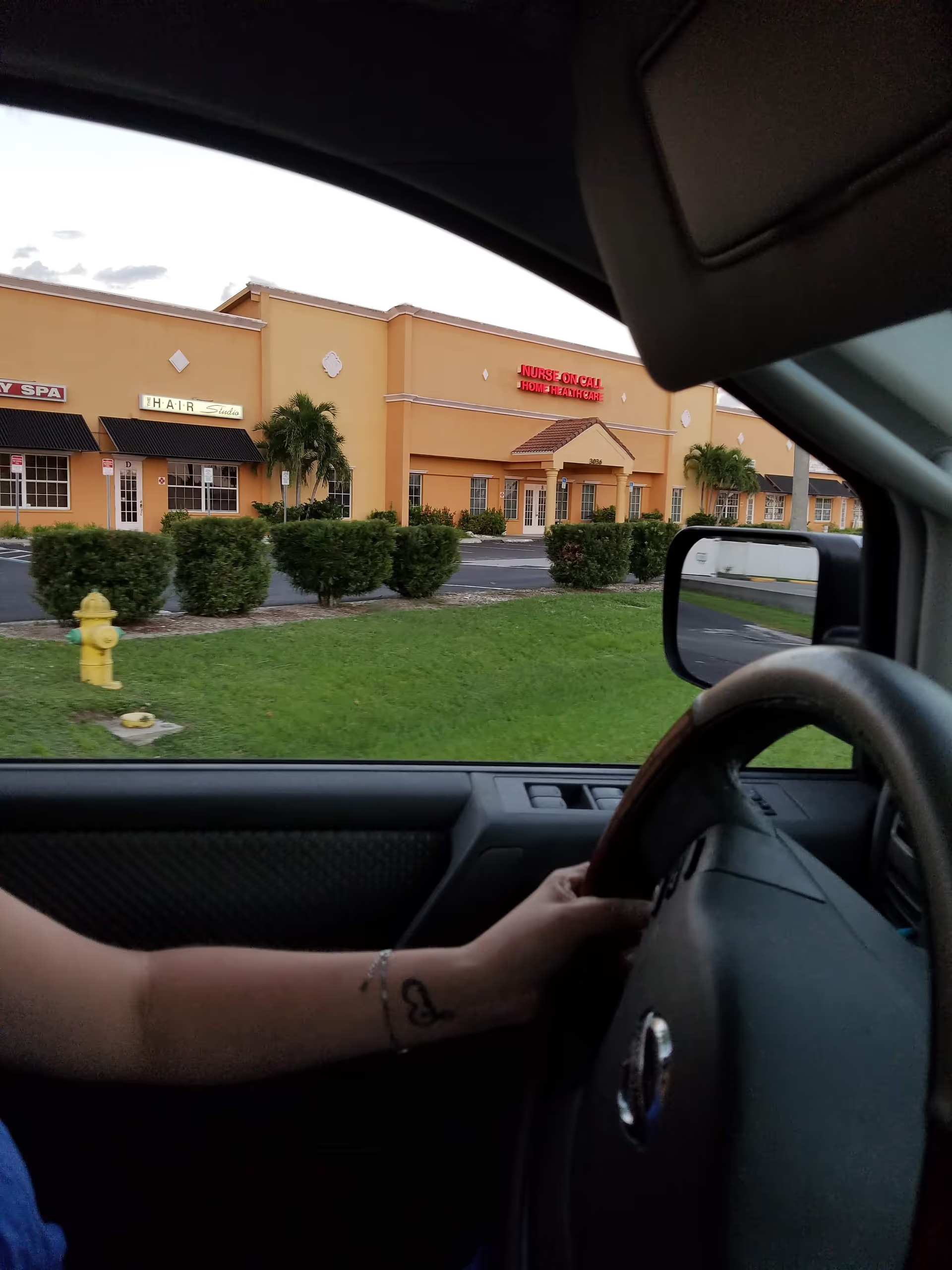
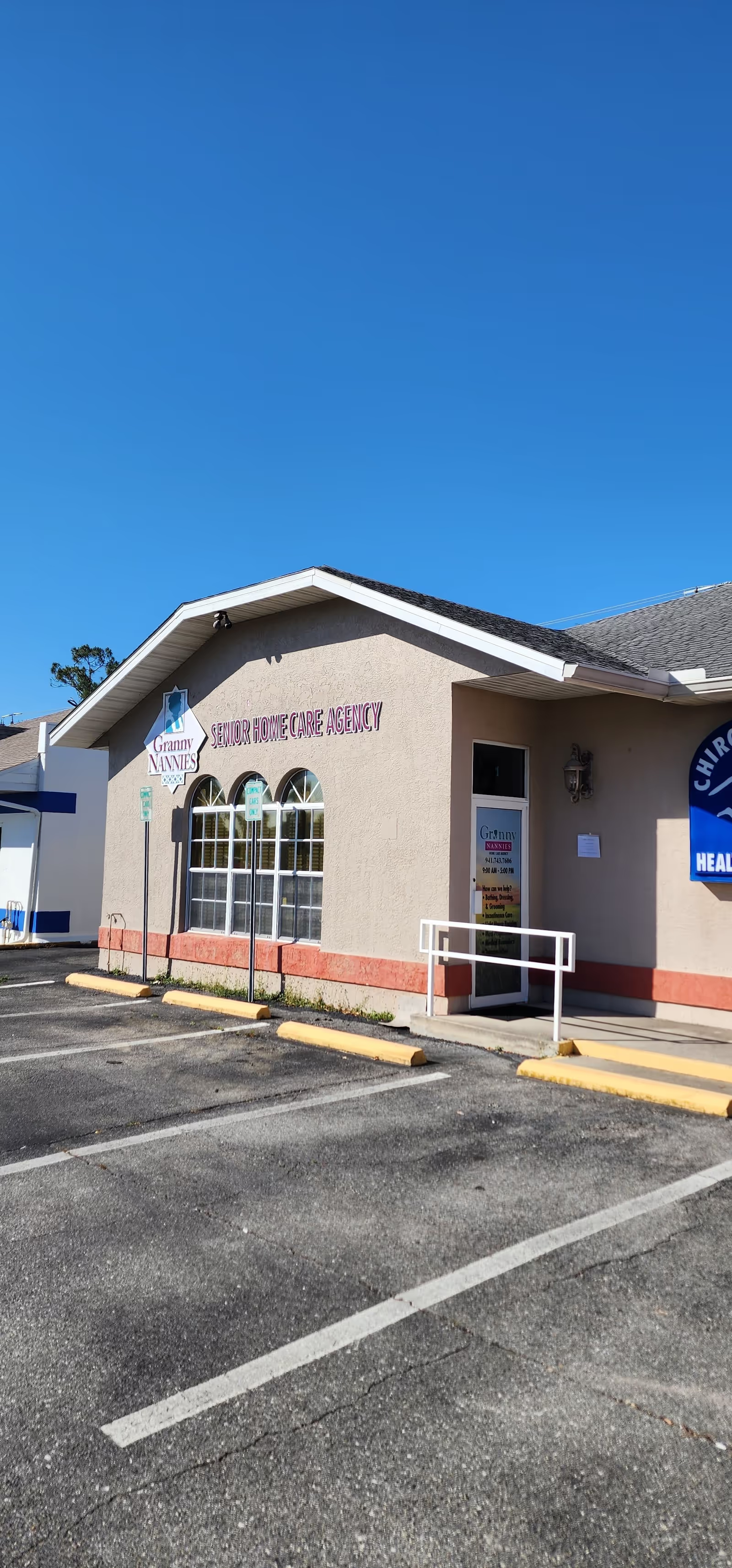
The reviews reflect a mixed but distinct pattern: many families praise the clinical side of the agency while operational and customer-service issues recur. Positive comments concentrate on nursing skill, knowledgeable clinical leadership, strong case management, and caregivers who are described as attentive and compassionate. Several reviewers specifically cited effective post-surgical support, experience managing complex conditions, and long-standing caregiver-client relationships as strengths that enabled clients to remain at home.
Counterbalancing those positives are repeated operational weaknesses. A number of reviewers described unreliable shift coverage and scheduling problems, including no-shows and inconsistent caregiver assignments. Office communication and coordination are frequent pain points: families described delays in verification and onboarding, poor advance notice about changes, and limited follow-through from office staff. These challenges appear to amplify the impact of variability in caregiver competence and training when assignments are inconsistent.
More serious concerns in the reviews focus on caregiver conduct and the agency's handling of incidents. Several reviewers described instances of inappropriate behavior and household-property incidents; others said the agency's incident response and follow-up were inadequate. Relatedly, reviewers signaled dissatisfaction with certain office managers’ professionalism and with billing practices, noting questions about billing transparency and occasional insurance-related disagreements.
For prospective clients and families, the pattern suggests clear strengths in clinical capability and in individual caregiver quality when staffing aligns well. However, it would be prudent to confirm scheduling guarantees, ask about the agency’s caregiver vetting and training protocols, understand escalation and incident-response procedures, and seek clarity on billing and verification timelines before engagement. Those steps can help maximize the agency’s clinical strengths while mitigating the documented operational risks.