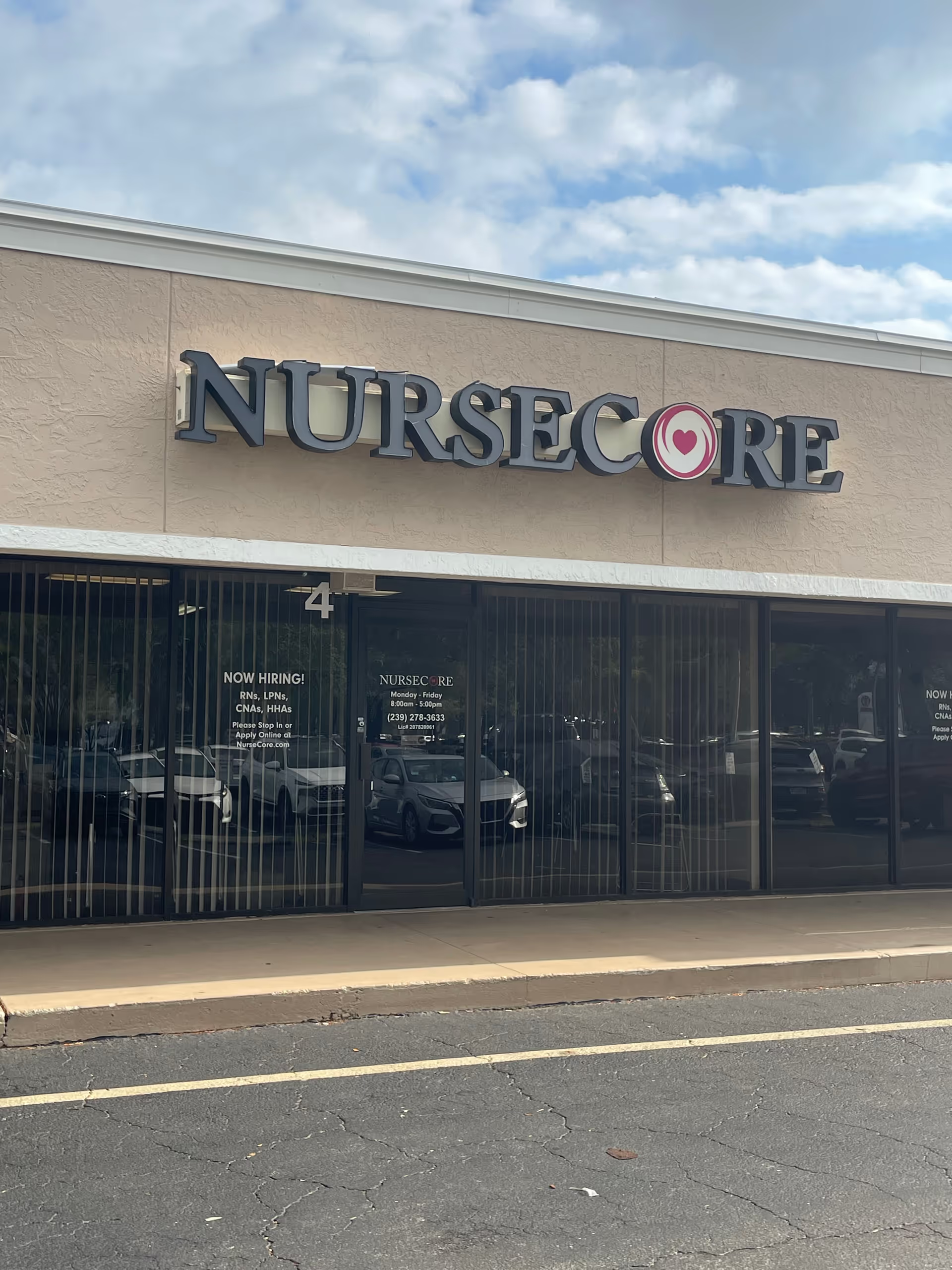
The collected summaries present a mixed but consistent picture: direct-care staff receive substantial praise for compassion and clinical skill, while administrative and coordination functions appear to be the primary source of dissatisfaction. Caregivers and in-home clinicians are described as professional, courteous, and effective—particularly for postoperative care, therapy visits, and hospice-style in-home support. Specific staff were named positively, and the agency's multi-location presence in Florida was viewed as a practical advantage.
Caregiver quality is one of the stronger patterns. Reviewers highlighted aides, nurses, and therapists as compassionate and respectful, with several accounts noting competent clinical support during recovery and comfort-oriented home care. These elements suggest the agency can assemble clinical teams capable of hands-on care and therapeutic follow-up when coverage is provided as planned.
Operational weaknesses center on communication, coordination, and reliability. Multiple summaries describe delays or failures by the office to complete administrative tasks such as releasing supplies to vendors, which resulted in interrupted access to necessary equipment. There are repeated references to no-shows or unreliable nursing assignments and to an organizational focus on clerical procedures and signature collection rather than proactive care coordination. Additionally, wound-care coordination and clinical follow-through were identified as areas needing stronger oversight.
Care planning and psychosocial support were also uneven. While hands-on caregivers were praised, reviewer feedback indicates that case management and social-work support for mental-health resources lacked responsiveness or professional engagement in some instances. For prospective clients who need behavioral-health or social-work navigation, it would be prudent to clarify the agency's scope and expertise in those areas before enrollment.
In terms of value and management, reviewers weighed strong caregiver interactions against administrative failures. The net impression is that direct-care staff generally deliver good bedside and personal-care services, but the overall client experience can be undermined by office-level lapses that affect supplies, scheduling, and communication. Prospective clients and families should confirm scheduling reliability, ask about backup coverage and escalation protocols for missed shifts, verify supply-order responsibilities and turnaround times, and request a clear primary contact for care coordination.