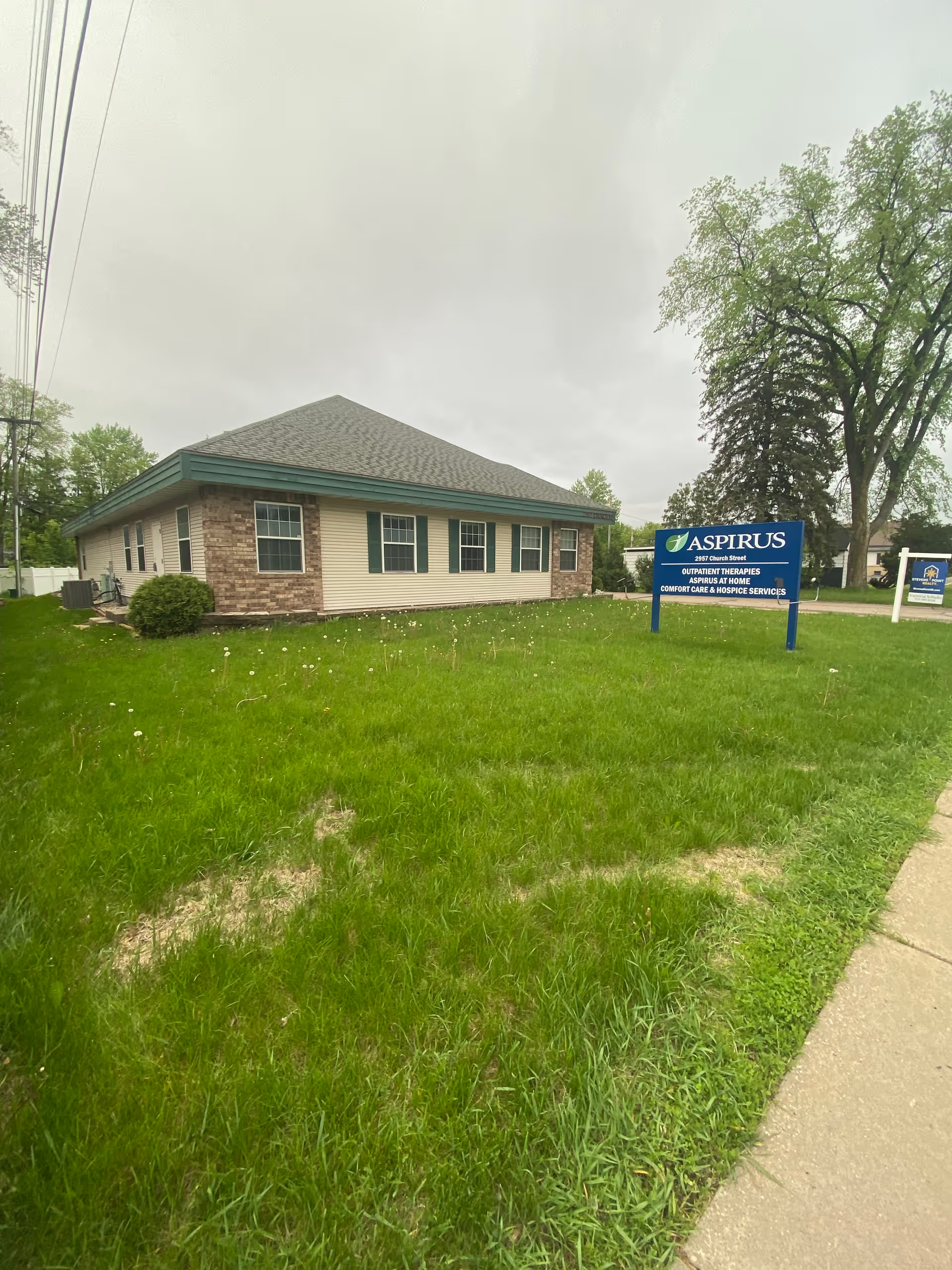
The available summaries present a uniformly positive view of LeRoyer Hospice’s in-home care. Comments focus on caregiver demeanor and clinical competence, with language such as compassionate, competent, professional, gentle, and excellent care. Families express gratitude and recommend the agency, suggesting a high level of perceived satisfaction with direct caregiving and nursing interactions.
Caregiver quality appears to be the agency’s primary strength. The summaries emphasize a nurse described as gentle and caring and generally portray staff as both professional and clinically competent. This pattern indicates strong bedside manner, attentive personal care, and effective clinical skills appropriate to hospice and in-home eldercare settings.
Office communication and operational reliability are less clearly described in the summaries provided. While family gratitude implies satisfactory responsiveness and coordination, the entries do not supply specific information about routine administrative interactions, shift-by-shift reliability, or how the agency handles coverage gaps. Prospective clients should therefore seek direct clarification about continuity of caregivers, backup staffing, and how the office communicates schedule changes.
Value and billing are likewise not detailed in these summaries. Positive perceptions of care quality suggest families felt the service was worthwhile, but the reviews do not address billing clarity, insurance coordination, or how charges are explained. Prospective clients would benefit from asking the agency about billing practices, contracts, and any potential out-of-pocket costs up front.
Notable patterns: praise centers on compassionate, professional staff and strong nursing presence; operational and administrative dimensions (scheduling flexibility, after-hours support, billing transparency) are not addressed in the provided summaries. For decision-making, families should confirm specific operational policies—scheduling, emergency/after-hours coverage, and administrative communication—so they can pair the evident caregiving strengths with clear expectations about how the agency manages logistics and billing.