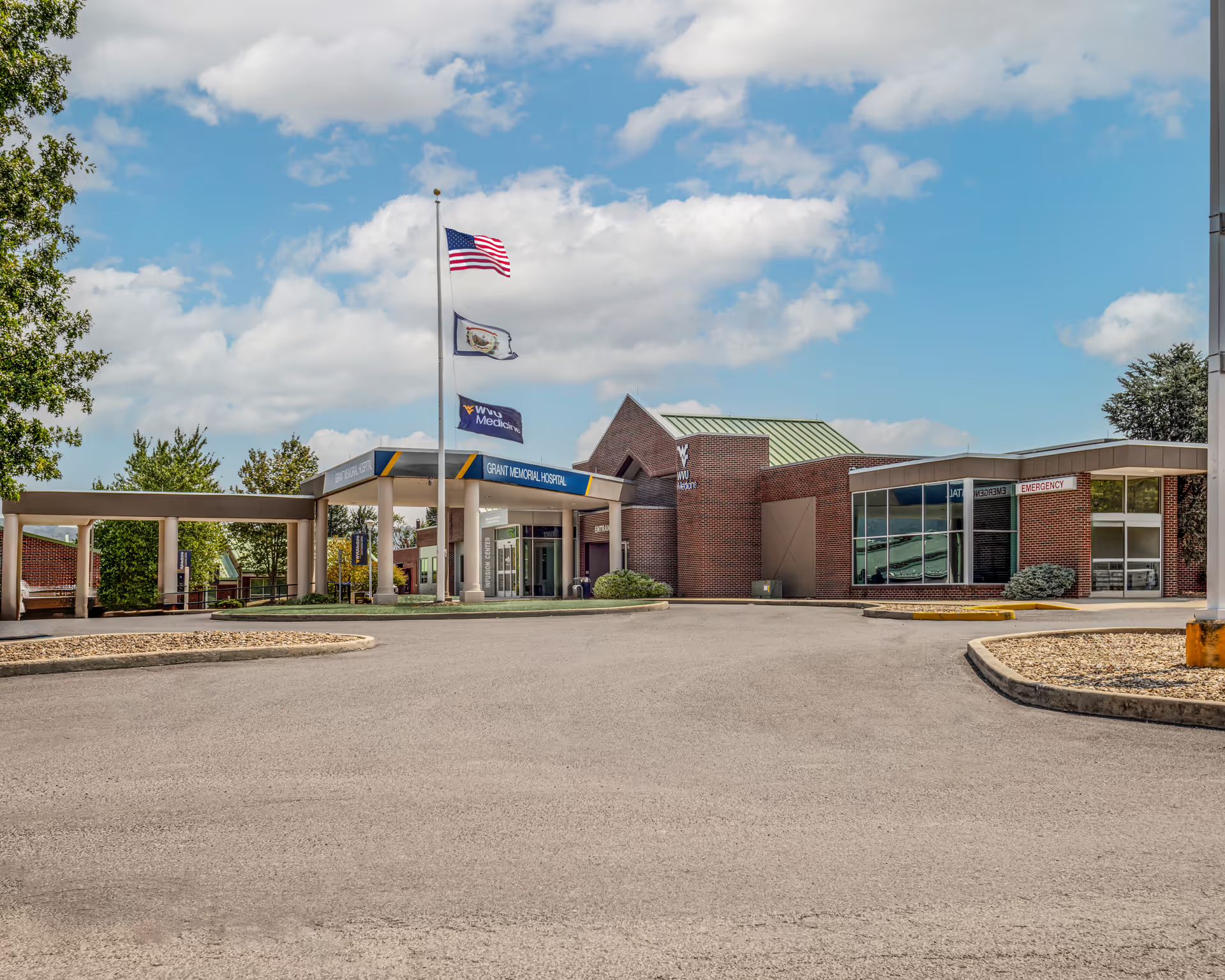
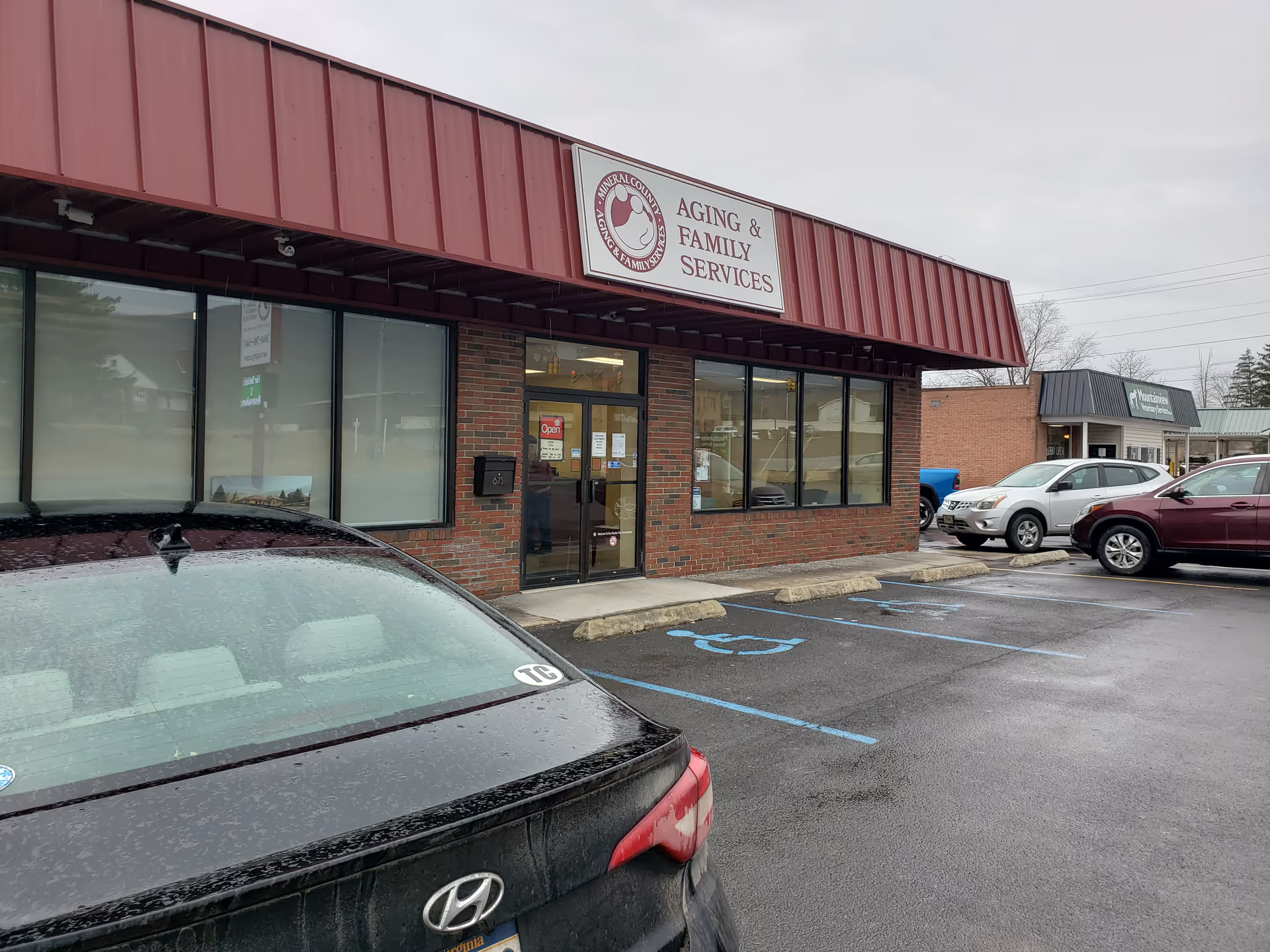
Reviews present a mixed but actionable picture of Grant Memorial Hospice. Many families describe caregivers as compassionate, comforting, and knowledgeable; they emphasize around-the-clock availability and prompt responses when urgent needs arise. The agency's approach to end-of-life care and family support is noted positively, and the pricing is frequently characterized as reasonable relative to the services provided.
Caregiver quality appears to be a clear strength for many clients: staff are often described as warm, respectful, and capable of providing emotional support that delivers peace of mind. At the same time, there are indications of variability in professional standards across staff. These concerns range from lapses in medication handling to conduct issues that required management attention. While such incidents do not define the totality of care, they point to a need for stronger clinical oversight and standardized training programs to reduce variability.
Office communication and operational reliability are another area of divergence. Several families praise the agency's 24/7 responsiveness and prompt on-call actions, yet others experienced unreturned calls and billing-communication failures. These opposing experiences suggest inconsistent office workflows rather than a uniform practice. Relatedly, scheduling and shift coverage are perceived as flexible by some clients but unreliable by others — examples include failures to follow through on planned visits or gaps in coverage. Strengthening scheduling confirmations, backup staffing protocols, and phone-response procedures could address these weaknesses.
On billing and value, the general impression is that rates are fair, but invoicing and explanatory communication need improvement. Families seeking clarity on charges and timely account conversations may encounter delays or confusion, indicating that billing transparency and proactive outreach would benefit client trust.
In summary, Grant Memorial Hospice demonstrates notable strengths in compassionate, family-focused caregiving and accessibility for urgent needs. However, persistent operational issues—especially around medication management, consistent professionalism, office responsiveness, and scheduling reliability—are areas for improvement. Prospective clients who prioritize empathetic, available caregivers may find the agency a fit, but they should confirm medication protocols, ask about staff supervision, and verify scheduling and billing procedures before enrollment.