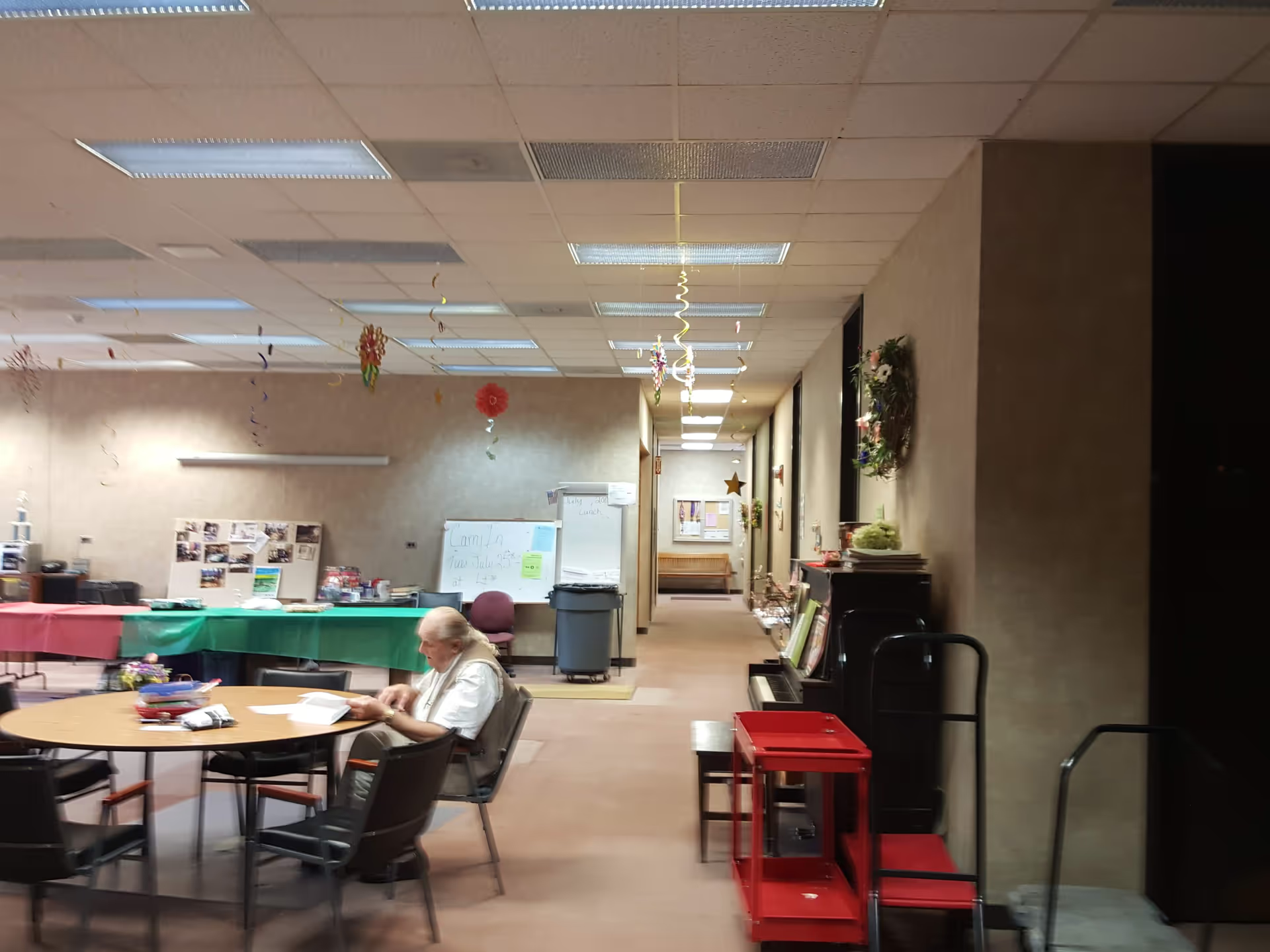
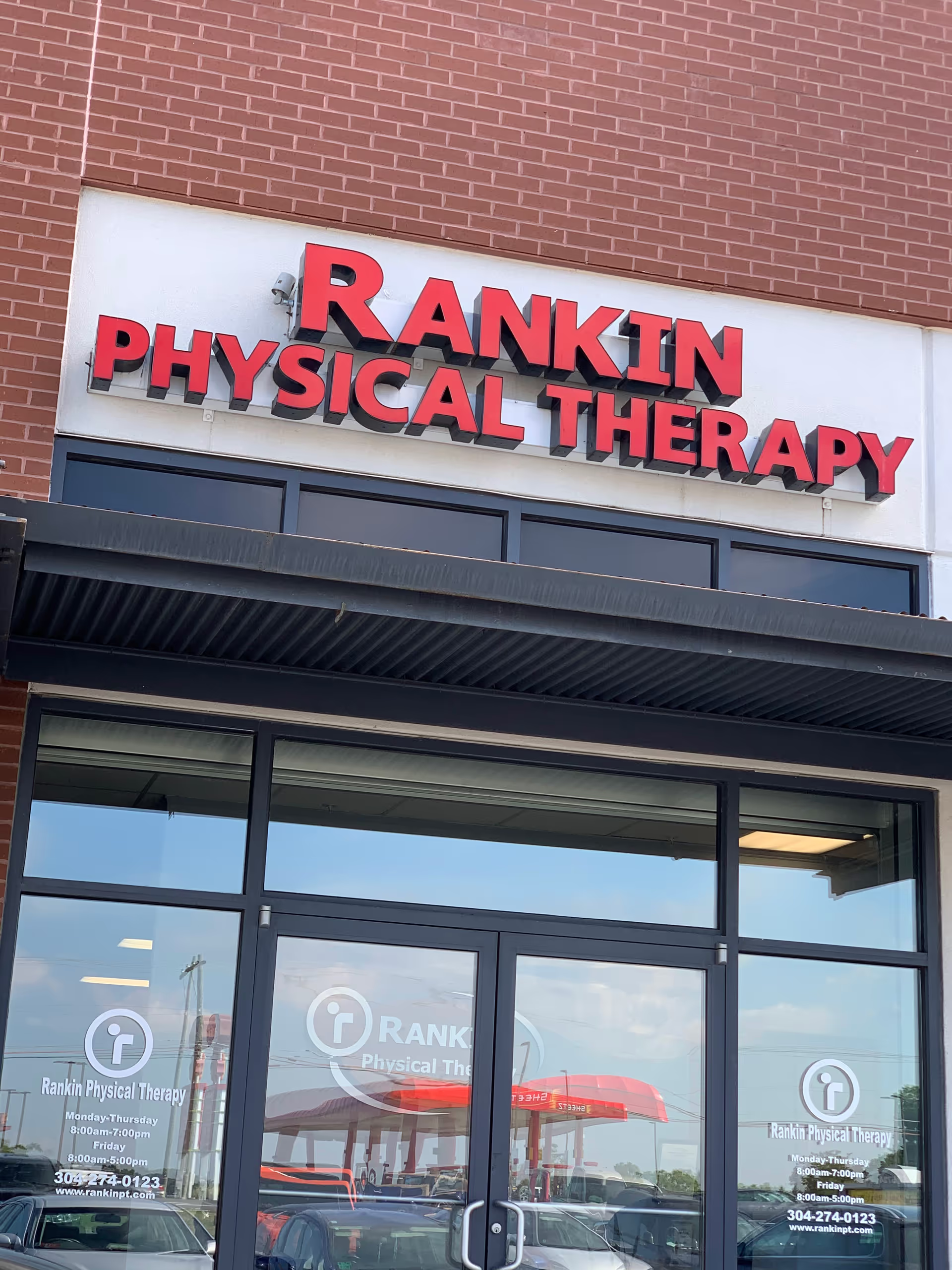
The collected reviews present mixed but distinct themes. On the positive side, clinical staff—particularly therapists—are frequently described as compassionate, motivating, and effective in supporting rehabilitation. Several accounts highlight clear, understandable explanations of care and treatment plans, and many families reported a warm, home-like atmosphere that helped clients feel comfortable. Responsive scheduling contacts and consistent caregiver assignments were also noted as strengths in a number of cases, contributing to steady progress in recovery and measurable functional gains.
Counterbalancing those strengths are recurring operational and coordination concerns. Multiple reviewers described inconsistent office communication and difficulties getting timely answers from management. These communication gaps appear to contribute to unreliable shift coverage and breakdowns when referrals are made, including missed or late starts and uneven follow-through on new service requests. Relatedly, there are reports that suggest variability in caregiver engagement and initiative during shifts, with some families experiencing aides who were less proactive in routine tasks such as meal assistance and mobility support.
Financial and administrative issues emerge as another notable pattern. Several reviews raised billing- and funds-related concerns ranging from disputed charges to questions about how client funds are handled. At least one reviewer made a specific allegation concerning improper handling of funds; while this appears isolated in the dataset, it highlights an area families should review closely when considering this provider. Additionally, some reports describe gaps in care coordination that contributed to delayed medical attention for clients, indicating opportunities for stronger clinical handoffs and escalation protocols.
Overall, the agency demonstrates clear clinical strengths—particularly in therapy and creating a comforting, recovery-focused environment—but operational reliability is uneven. Prospective clients and families would benefit from asking targeted questions about scheduling guarantees, caregiver assignment consistency, communication protocols for escalations, billing practices, and documented safety procedures. Confirming these operational details in writing and maintaining frequent check-ins early in service can help reinforce the positive clinical attributes while addressing the operational weaknesses that appear in the reviews.