The supplied reviews consistently highlight caregiving quality as the strongest attribute of Cedars View Senior Care, LLC. Caregivers are described as compassionate, attentive, and personable; families emphasize one-on-one, personalized attention and a sense that staff act as advocates for residents. The descriptions point to reliable interpersonal skills, respectful conduct, and a warm ‘‘second-family’’ atmosphere rather than an institutional feel.
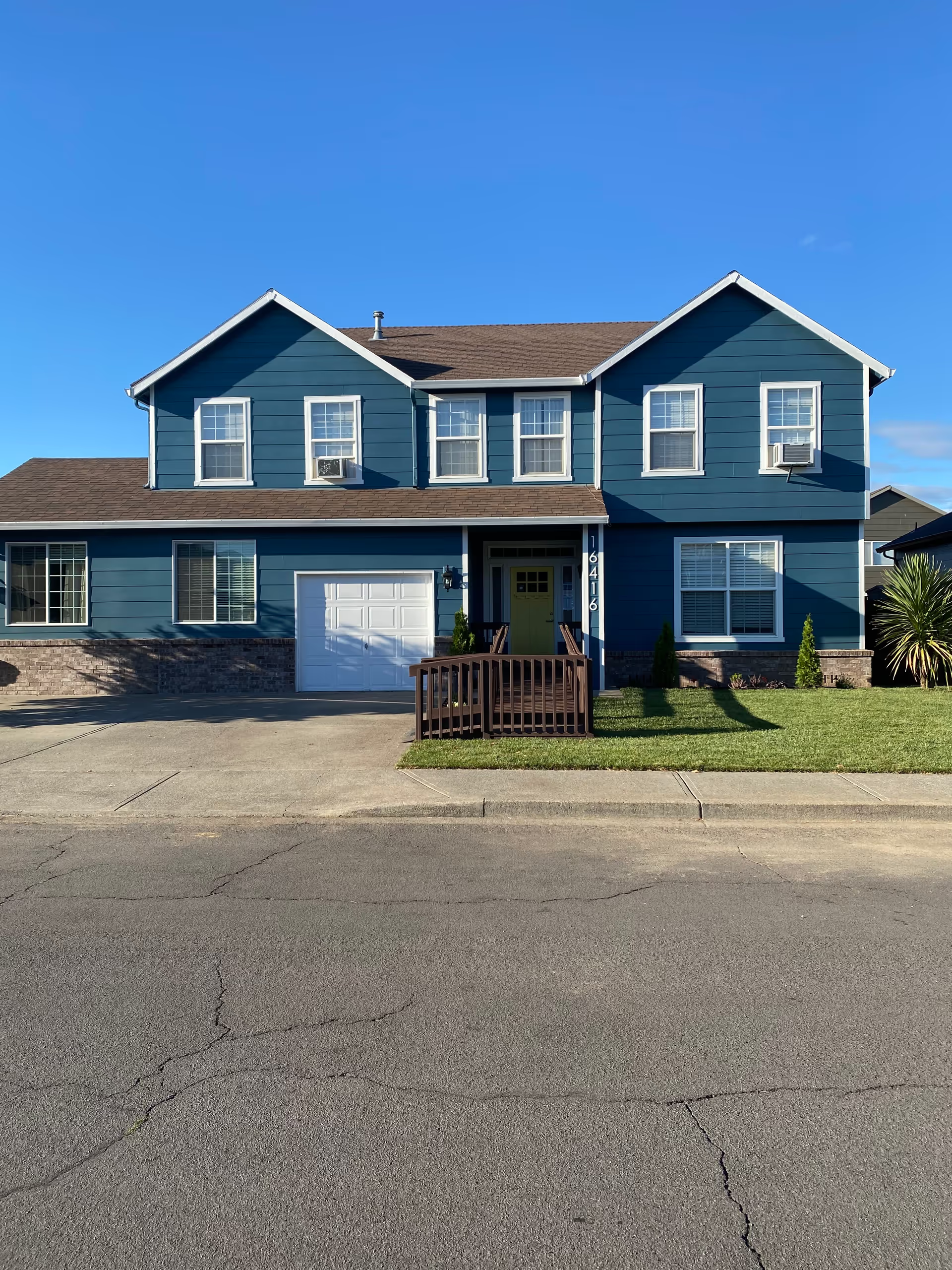
Communication and management practices are another salient theme. Reviews note clear, regular updates to families and strong lines of communication between staff, families, and medical providers. Management and front‑line staff are framed as welcoming and helpful, contributing to an overall impression of responsiveness and transparent day‑to‑day coordination. The environment—clean, bright, home‑like rooms with pleasant views and an attractive, nature‑filled property—reinforces the family-focused presentation and appears to support resident wellbeing and engagement.
Operationally, the available material is positive but limited in scope. There is little detail about pricing, billing practices, or how the agency handles higher-acuity clinical needs; prospective clients should confirm those items directly. Likewise, the home‑like scale that reviewers praise may imply constrained capacity or different staffing patterns than a larger facility; families should verify scheduling flexibility, shift coverage, and whether clinical staff are available around the clock if that is needed. The reviews emphasize consistent caregiver attentiveness, but independent negative feedback is sparse, which makes it difficult to fully evaluate long‑term consistency or how the agency manages turnover, complaints, or unexpected incidents.
In summary, the pattern across these summaries is of a small, family‑oriented in‑home care provider with strong relational caregiving, clear family communication, and an attractive physical setting. Before committing, prospective clients should ask specific questions about cost and billing, the agency’s capacity and waitlist practices, the extent of clinical services offered (including 24/7 coverage if required), and written policies on scheduling and shift coverage to ensure those operational aspects meet their needs.