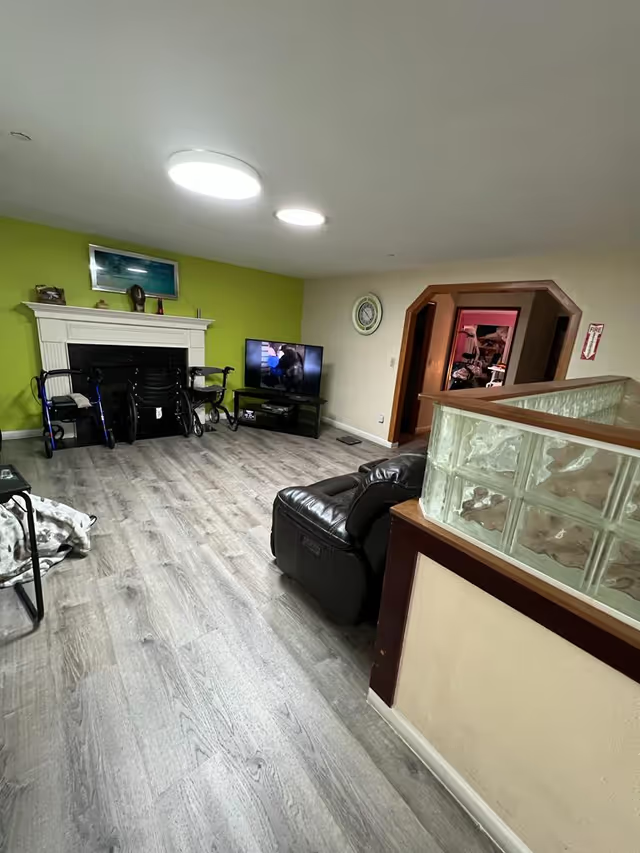
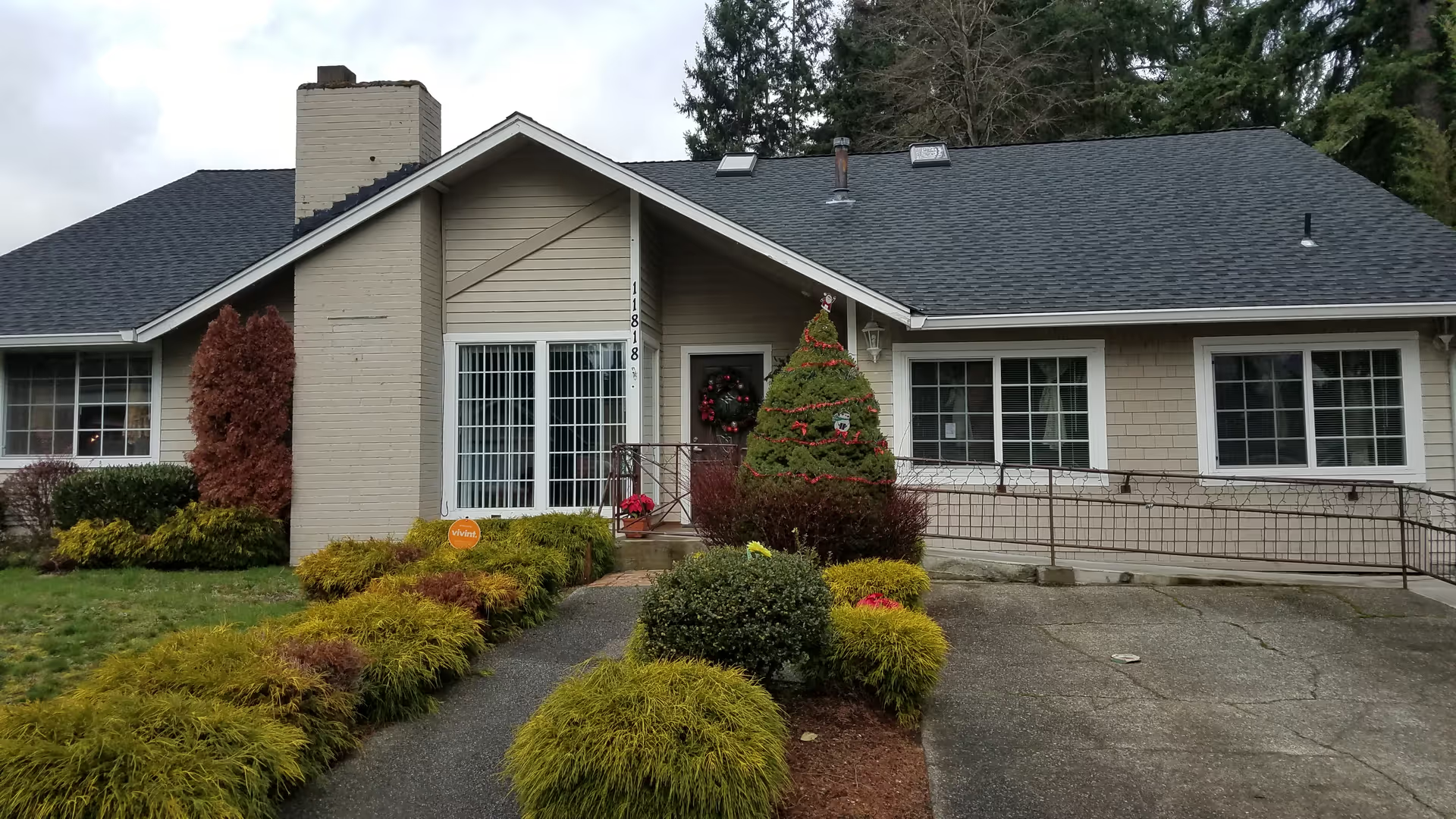
Overall assessment: The reviews portray Elderly Home Care Adult Family Home as a small, home-like program with a consistent emphasis on warmth, cleanliness, and personalized attention. Families repeatedly highlight caregivers who are attentive, compassionate, and proactive in meeting daily needs; the environment is described as tidy, sunny, and welcoming and meals are noted as home-cooked and well-prepared. Leadership presence — including owner visits — and routine clinical oversight (weekly nurse, monthly physician) are presented as reinforcing a sense of safety and oversight.
Caregiver quality and day-to-day care: Reviews emphasize resident-focused, individualized care. Caregivers are characterized as nurturing, meticulous, and skilled in routine personal care and social engagement; several accounts point to meaningful social interaction and observable resident well-being. The staffing mix is presented as favorable for a domiciliary setting, with a good caregiver-to-resident ratio and regular nursing rounds that support daily care plans.
Communication and management: Communication is a recurrent strength — families describe proactive, transparent updates from staff and direct owner involvement in admissions and follow-up. That management presence appears to facilitate smooth transitions and family reassurance. The program’s leadership and supervisory practices are framed as hands-on rather than distant, which contributes to perceived reliability and responsiveness.
Reliability, scheduling, and clinical limitations: Review content indicates reliable day-to-day coverage and an easy transition process into the home. However, the model is a small adult-family home with discrete clinical coverage (weekly nurse, monthly physician). For prospective clients with higher-acuity medical needs or requiring continuous clinical oversight, this configuration may be a limitation; families should evaluate whether the clinical staffing cadence meets specific medical requirements. The small-home format also suggests limited bed capacity, which can affect availability and transfer options as needs change.
Billing, value, and next steps for families: Reviewers describe the service as affordable and good value relative to the home-like setting and caregiver attention. Reviews do not provide detailed billing or contract terms, so prospective clients should request written fee schedules, admission agreements, and clarification on what is included (meals, medication administration, specialty care, hospice/acute transitions) before committing.
Notable patterns and recommendation: Consistent themes are compassion, cleanliness, home-cooked meals, strong owner involvement, and clear communication. These strengths make the home well suited to older adults seeking a personal, family-style residential option. Given the inferred limitations around on-site clinical staffing and capacity, families should confirm clinical coverage, emergency protocols, availability, and contract details to ensure the setting matches the prospective resident’s medical and logistical needs.