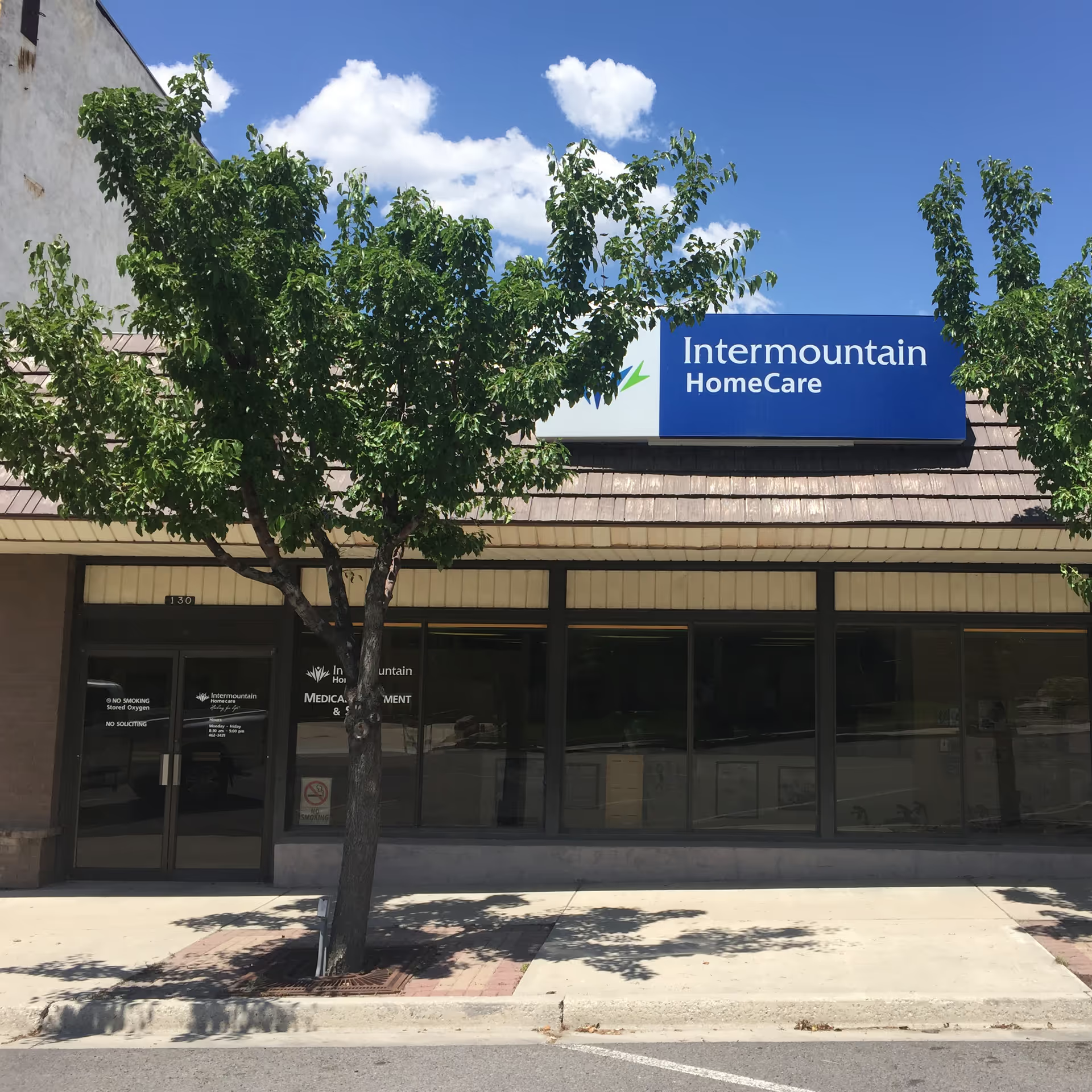
Overall impression: Review summaries describe an agency whose frontline caregivers are viewed as compassionate, respectful and clinically capable, particularly for postoperative needs and wound management. Families repeatedly describe attentive, personable aides and nurses who provide reassurance, thorough clinical care, and proactive therapy coordination. Reviewers also highlighted the agency's ability to help with resource referrals, care transitions, and participation in community-oriented programs such as Senior Wish and Honor Salute.
Caregiver quality: The dominant pattern is positive: caregivers and nurses are frequently characterized as kind, patient, professional, and knowledgeable. Clinical strengths called out include wound care, post-surgical support, and collaboration with physical and occupational therapy. Care teams are credited with being comforting to homebound clients and going above-and-beyond in several instances, which suggests an emphasis on person-centered bedside care.
Office communication and reliability: While the field staff generally receive strong marks, summaries indicate notable variability in administrative communication and scheduling reliability. Several notes describe poor or abrupt communication (for example, discharge or appointment changes delivered by phone), limited advance notice about staff changes, and instances of missed visits. These items point to operational gaps in notifying families, confirming appointments, and maintaining consistent assignments.
Scheduling, staffing, and continuity: A recurring operational theme is caregiver turnover and inconsistent continuity of assignments. When staffing is steady, families report timely, frequent check-ins and smooth transitions (including moves and service handoffs). However, frequent personnel changes and insufficient notification of substitutions contribute to perceptions of unreliable shift coverage and coordination gaps during transitions of care.
Value and management: Many reviewers expressed high satisfaction with the clinical value delivered — skilled nursing, attentive aides, and administrative staff who can be helpful and responsive. At the same time, the pattern of administrative communication lapses and scheduling unreliability suggests areas where management-level process improvements could increase family confidence in consistent service delivery.
Notable patterns and practical takeaways: Prospective clients should weigh the strong caregiver-level skills and supportive programs against documented operational weaknesses around staffing continuity and advance notice of changes. For families prioritizing experienced nursing and compassionate home visits, this agency may be a good fit; those for whom strict schedule adherence and guaranteed continuity of the same caregiver are critical should proactively clarify assignment, notification, and back-up staffing procedures before enrollment.