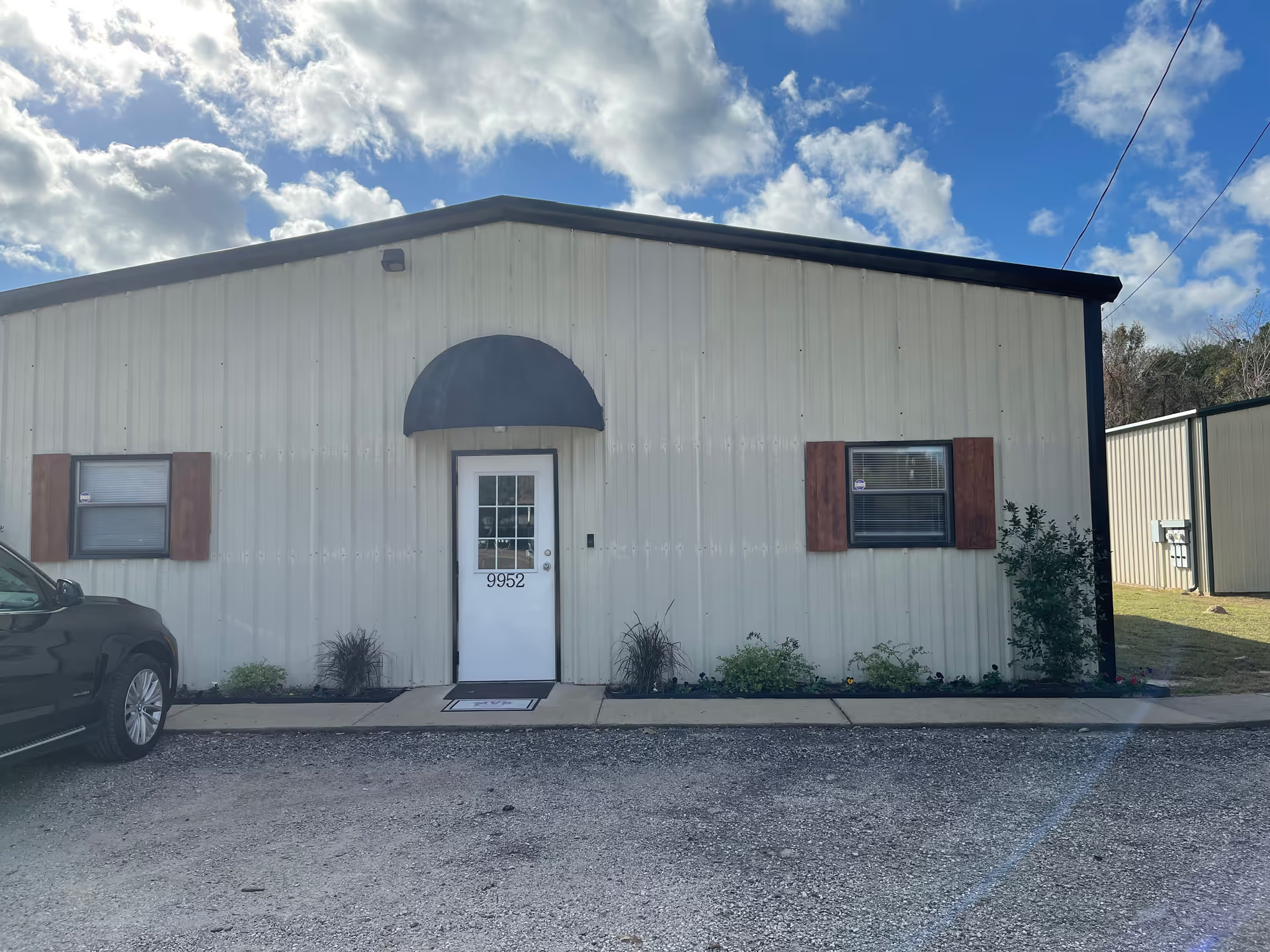
Overall impression: The reviews characterize Hospice of East Texas as an organization with considerable strengths in bedside hospice care, facility environment, and family support. Many families describe warm, compassionate aides and nurses who prioritize dignity, comfort, and respectful end-of-life care. The physical setting and amenities — clean rooms, private spaces, and attractive grounds — are consistently cited as contributing to a peaceful experience for patients and families.
Caregiver quality and clinical capability: Nursing staff and hospice aides receive frequent praise for clinical competence, attentiveness, and emotional support. Reviewers highlight effective pain management and hourly or regular comfort checks in many cases, along with skilled nursing that facilitates smooth transitions from other care settings. Long-tenured staff and visible teamwork are recurrent themes, and social-worker/chaplain involvement and grief counseling are reported as meaningful supports for families.
Communication, reliability, and scheduling: Communication patterns are mixed. Numerous accounts praise clear, timely updates and responsive on-call service, but there is also a persistent theme of inconsistent office follow-up and delays in administrative responsiveness (for example, caseworker callbacks and post-death follow-up). Scheduling flexibility appears to vary by circumstance; some families report prompt equipment delivery and seamless onboarding, while others—particularly those living at greater distance—experience limited visit frequency or monthly in-person contact. Shift reliability is generally viewed positively, but isolated reports of lapses in professionalism and missed administrative follow-through reduce consistency.
Safety, documentation, and administrative concerns: While many reviews endorse strong clinical care, there are operational weaknesses that emerge repeatedly. Medication-management at critical moments has been questioned in a few accounts, suggesting a need for tighter controls and handoff procedures at end of life. Several reviews describe administrative and documentation shortcomings after a client’s death, including delays or inaccuracies in follow-up paperwork. A small number of more serious individual allegations relating to household-property handling and death-related documentation also appear; these merit careful internal review and clear processes for investigation and resolution. There are occasional comments indicating uneven adherence to infection-control or personal-care protocols and instances of unprofessional caregiver conduct.
Value, management, and notable patterns: Families frequently describe high perceived value: mission-driven, volunteer-supported services and compassionate staff create a sense that clients are treated respectfully regardless of payment status. Management strengths include experienced staff and a generally well-maintained facility. The pattern across reviews suggests a solid clinical hospice program with strong family-centered supports, but with identifiable operational gaps in communication, administrative follow-through, medication handling at critical junctures, and consistency of caregiver professionalism. Prospective clients and families should weigh the consistently positive reports of bedside care and facility environment against the risk of intermittent administrative and communication lapses; asking specific questions about medication protocols, post-death paperwork procedures, visit frequency for remote locations, and complaint-resolution processes may help set expectations and mitigate known weaknesses.