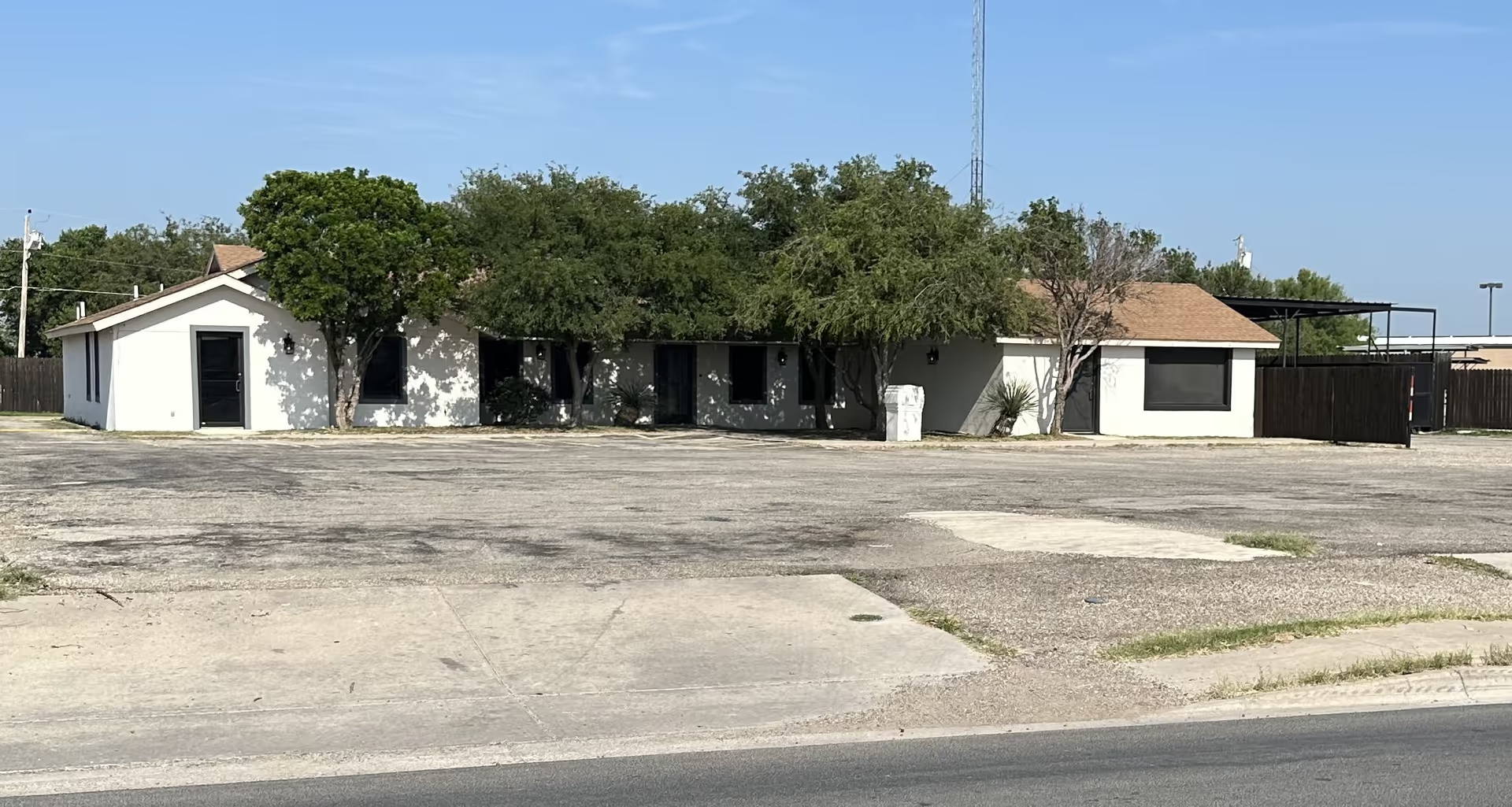
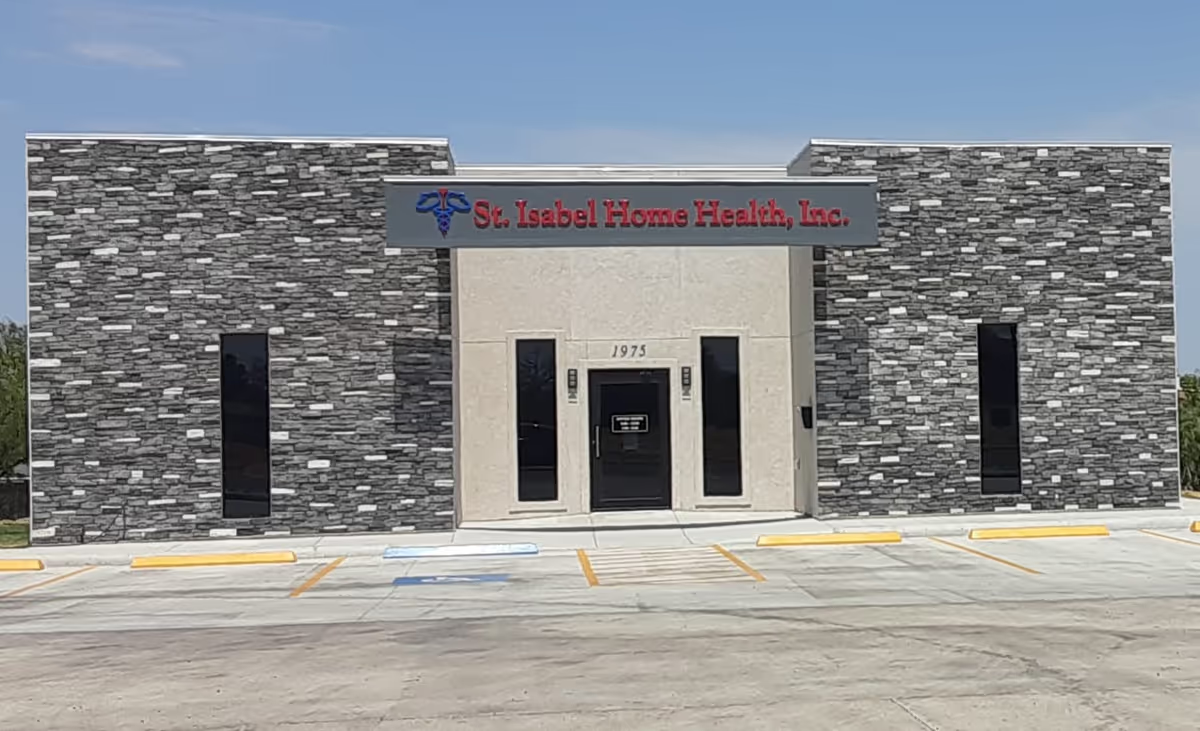
The reviews present a mixed picture: care delivery and the immediate caregiver experience are frequently described positively, while several operational and administrative patterns raise concern. On the positive side, reviewers emphasize compassionate nursing presence and caregivers who are described as friendly and patient. The physical environment and interpersonal climate also receive favorable comments — a pleasant atmosphere, clean and safe areas, and constructive staff–resident relationships contribute to an overall sense of competent, high-quality service in routine interactions.
Reliability and scheduling emerge as the principal operational weaknesses. Feedback indicates high staff turnover and inconsistent caregiver assignments, which correlate with late or missed visits and uneven shift coverage. These patterns suggest gaps in workforce planning and backup staffing. The absence of robust after-hours or on-call support is also noted, creating potential coverage gaps when scheduled caregivers are unavailable and limiting timely office response to urgent scheduling needs.
Administrative and management issues are a recurrent theme. Concerns include payroll and billing transparency, apparent discrepancies between marketed/expected services and actual delivery, and weaknesses in how incidents or disputes are documented and resolved. Medication management is singled out as a specific clinical-administration area needing stronger processes: missed medication events point to a need for clearer protocols, training, and oversight to ensure safe, consistent administration.
For prospective clients and families, the pattern suggests weighing the agency's strengths in bedside manner and environmental upkeep against its operational reliability and administrative controls. Practical steps include asking about caregiver continuity plans, on-call and backup staffing arrangements, documented medication-administration protocols, billing and payroll procedures, and how the agency handles incident reporting and dispute resolution. Verifying references and requesting written assurances about continuity of care and emergency coverage may help mitigate the operational risks noted in the reviews.