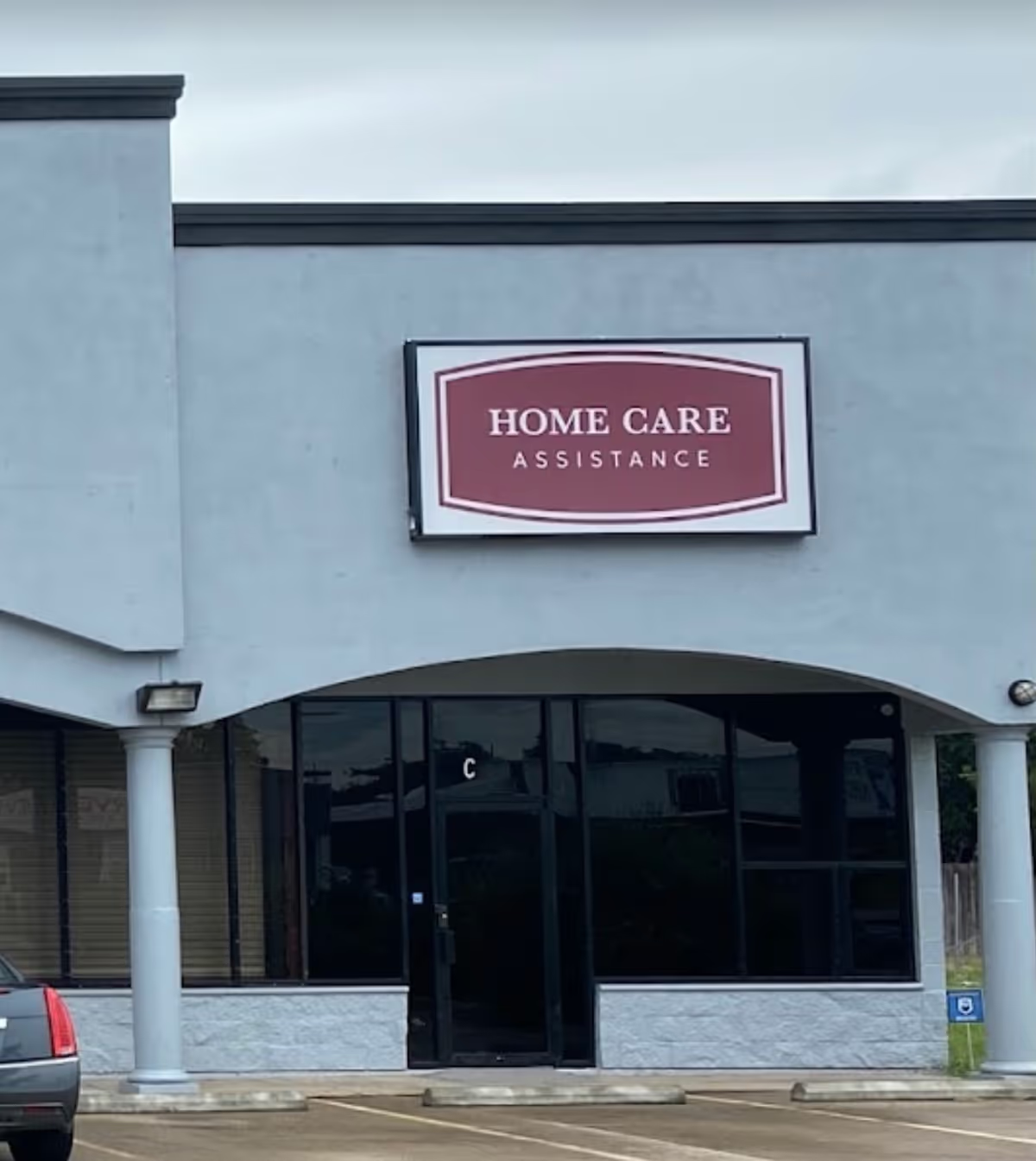
Overall impression: Reviewers present a split but coherent pattern. Many families describe strong clinical and interpersonal strengths at SilverStone Hospice: caregivers and nurses are frequently characterized as compassionate, respectful and skilled, and several accounts emphasize a family-like approach, educational support for families, and active bereavement or memorial services. Office leadership—directors, social workers and account managers—is also praised in multiple accounts for responsiveness and for proactive coordination of care.
Caregiver quality and reliability: Positive comments center on attentive daily care, timely updates, and clinicians who go beyond basic duties to comfort families and explain care decisions. At the same time, the reviews indicate variability in caregiver conduct and performance. Some families encountered lapses in on-shift attentiveness or professionalism, and a few accounts describe abrupt changes in assignment or what felt like inconsistent symptom-management during transitions. These contrasting reports suggest that while many clients receive consistently high-quality nursing and aide support, the agency has occasional gaps in maintaining that standard across all shifts and cases.
Office communication and management: Strengths include responsive leadership and proactive case management when those individuals are engaged; families cited effective communication from directors, social workers and account managers. Conversely, a recurring operational concern is inconsistent communication from the office overall and limited access to escalation channels or managers in some situations. That gap can amplify problems when a family needs timely clarification, to report an incident, or to resolve a scheduling or clinical issue.
Scheduling, value, and end-of-life coordination: Several positive reviews note timely responses from the home office and proactive scheduling support. However, there are also reports of unreliable coverage after staff absences, and a perception among some families that financial considerations influenced decision-making. End-of-life care strengths include compassionate bedside support and bereavement offerings, but there are also specific concerns about post-death coordination—such as delays in documentation and follow-up—and about how medication or care handoffs are handled during those transitions. Additionally, a number of accounts raise issues with personal-belonging handling and final paperwork timelines.
What to watch for: Prospective clients should weigh the agency’s clear strengths in compassionate, skilled caregiving and responsive leadership against operational inconsistencies described in some accounts. Practical steps include asking about continuity plans for caregiver coverage, escalation and manager-access procedures, expected timelines for end-of-life documentation, medication-handoff protocols, and billing transparency. Those questions can help families maximize the agency’s strengths while reducing exposure to the operational weaknesses that appear intermittently in the reviews.