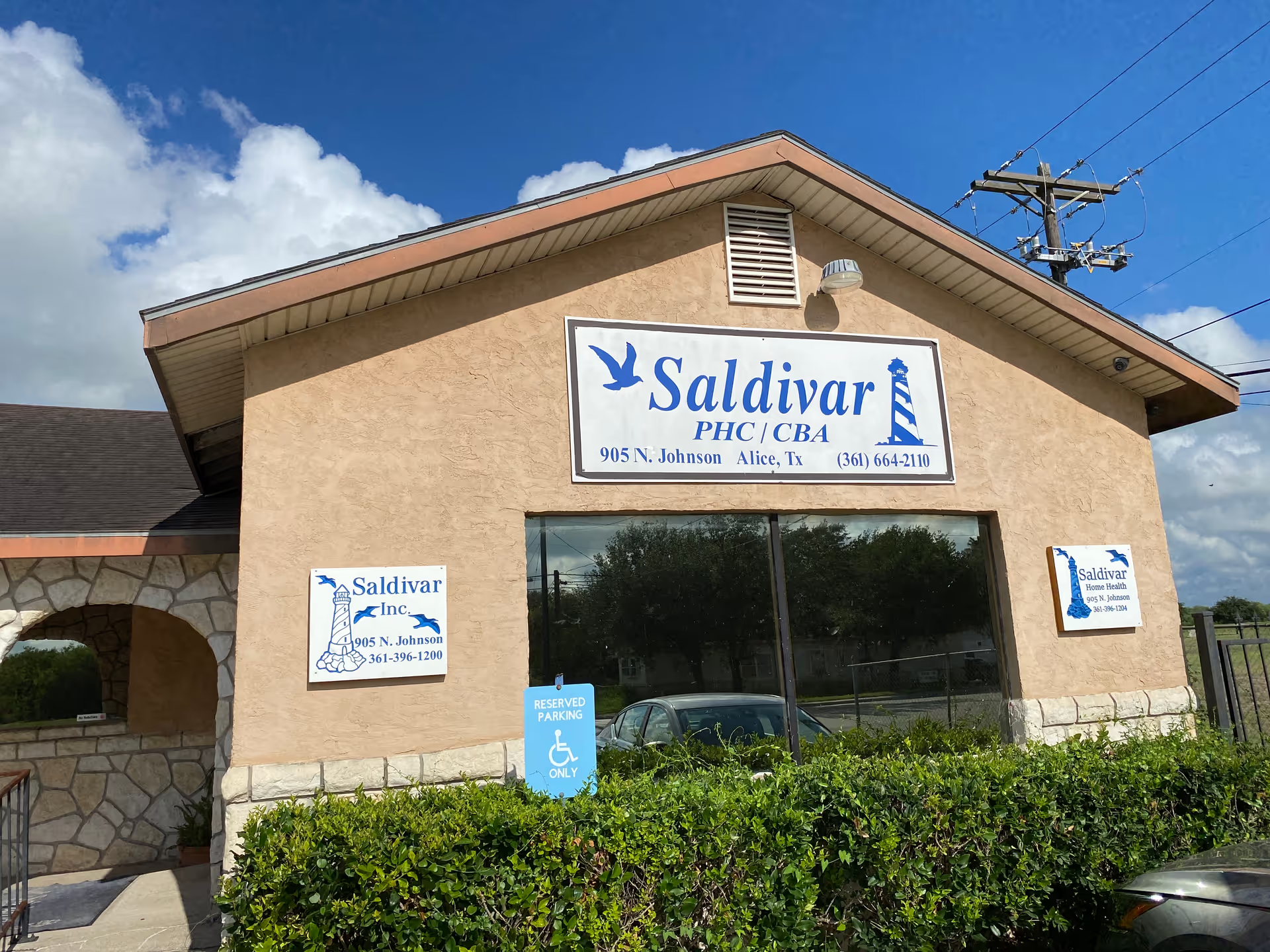
The reviews present a clear duality between frontline caregiving and back-office performance. On the caregiving side, feedback is uniformly positive: caregivers are described as attentive, willing to go beyond assigned duties, and proactive about regular wellbeing checks. Those impressions indicate strength in caregiver selection, training, or supervision, and suggest a family-oriented organizational culture that translates into personalized client interactions.
At the same time, several reviewers raised operational concerns related to financial administration and office communication. The dominant theme is payment handling—delays in disbursing funds to providers and explanations framed as deferrals or external blame. These issues point to weaknesses in billing workflows, cash‑flow management, or vendor-payment procedures rather than problems with direct care itself. Reviewers’ descriptions imply that those financial lapses have the potential to strain relationships with contracted caregivers or partner providers.
Communication from management also emerges as an area for improvement. While staff-level interactions are praised for warmth and responsiveness, office-level messages around billing and problem resolution are described as inconsistent or defensive. That pattern suggests a gap between client-facing staff practices and administrative transparency; strengthening standardized communication protocols and clearer escalation routes could reduce confusion and frustration.
In terms of reliability, the presence of regular wellbeing checks and positive remarks about day-to-day care imply consistent scheduling and dependable shift coverage, but the financial and communication concerns could indirectly affect continuity if not addressed. Value assessments depend largely on whether families prioritize caregiver quality and personal attention over back-office reliability. For prospective clients, the notable pattern is a strong, family-focused care team paired with administrative shortcomings in payment processing and office communication. Families should weigh caregiver attributes highly but also ask targeted questions about billing cycles, vendor payment policies, and how the agency handles financial disputes or delays.