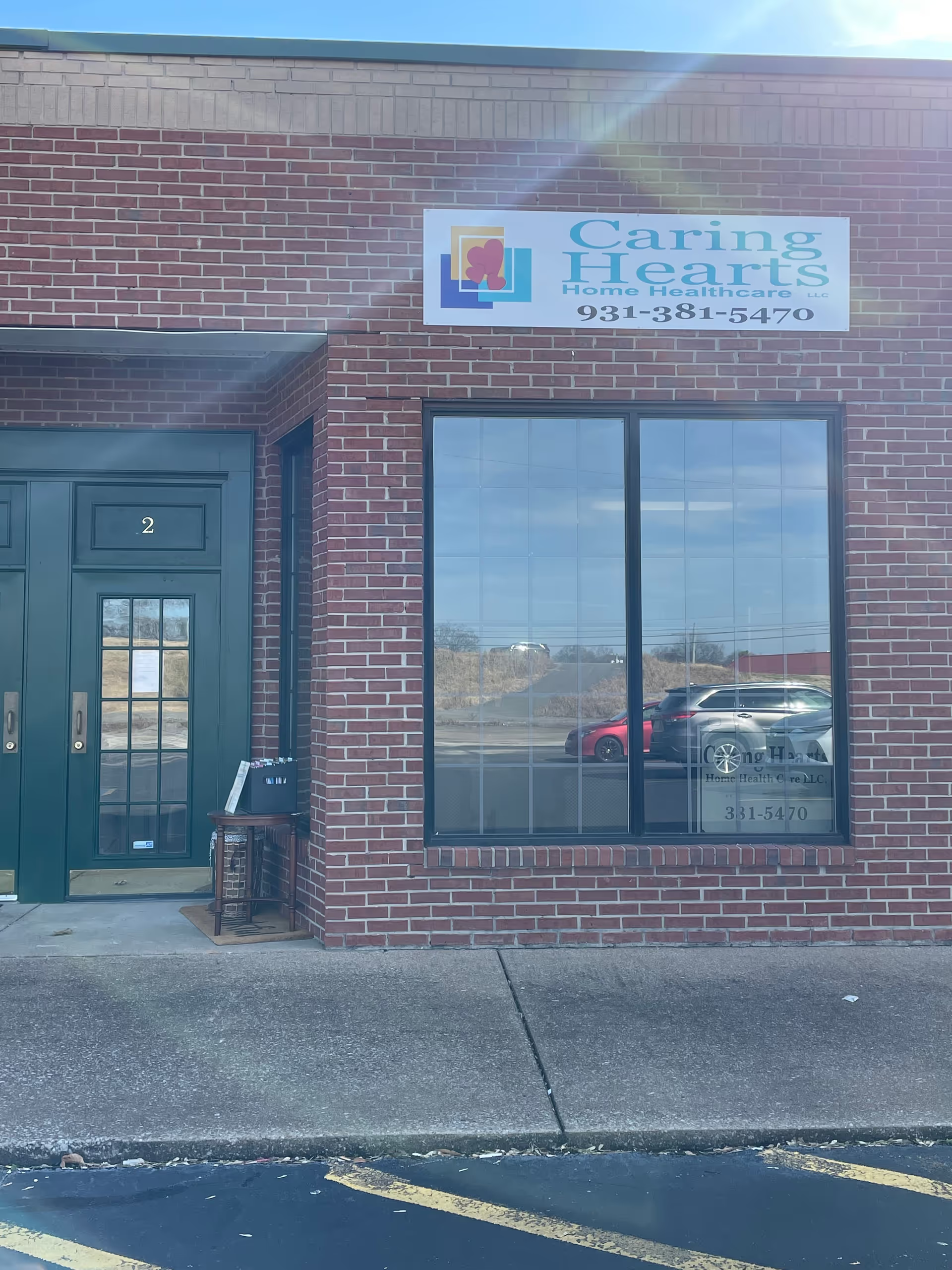
Feedback reflects a mix of positive hands-on caregiving and notable office-level operational concerns. On the caregiving side, several accounts highlight warm, respectful aides who provide consistent assignments and have skills oriented to post-acute rehab. These caregivers are described as competent in coordinating with physicians and handling Medicare-related processes, and the agency’s ability to bill directly to health-sharing plans was noted as a convenience by some families.
At the same time, the overall quality picture is uneven. While some families experienced stable, clinically skilled support, others cited lapses that point to inconsistent caregiver quality and variability in how therapy services were delivered. A recurring operational theme is a failure to provide contracted therapists in at least some cases, which suggests a gap between services promised and services executed.
Office communication and accessibility are a key area of concern. Positive notes about seamless Medicare communications coexist with reports of poor phone access, a disconnected office number, and the absence of a dedicated emergency contact line. These factors contribute to communication gaps between the office and families, affecting scheduling, shift reliability, and timely problem resolution.
Billing and management practices present mixed signals. The agency’s Medicare and health-share billing capabilities are cited favorably, but there are also billing accuracy issues and instances that escalated into collections — indicating a need for clearer billing transparency and more robust dispute-resolution procedures. Alongside these systemic problems, some reviewers raised concerns about owner or management professionalism, which can amplify the impact of operational shortcomings when families attempt to escalate issues.
For prospective clients: acknowledge the agency’s strengths in hands-on caregiving and rehab coordination, but verify key operational details in writing before care begins. Confirm therapist availability if therapy is part of the plan, ask for a reliable emergency contact protocol, request clear billing procedures and dispute processes, and clarify expectations for caregiver continuity and supervision. These steps can help mitigate the variable experiences reflected in the feedback.