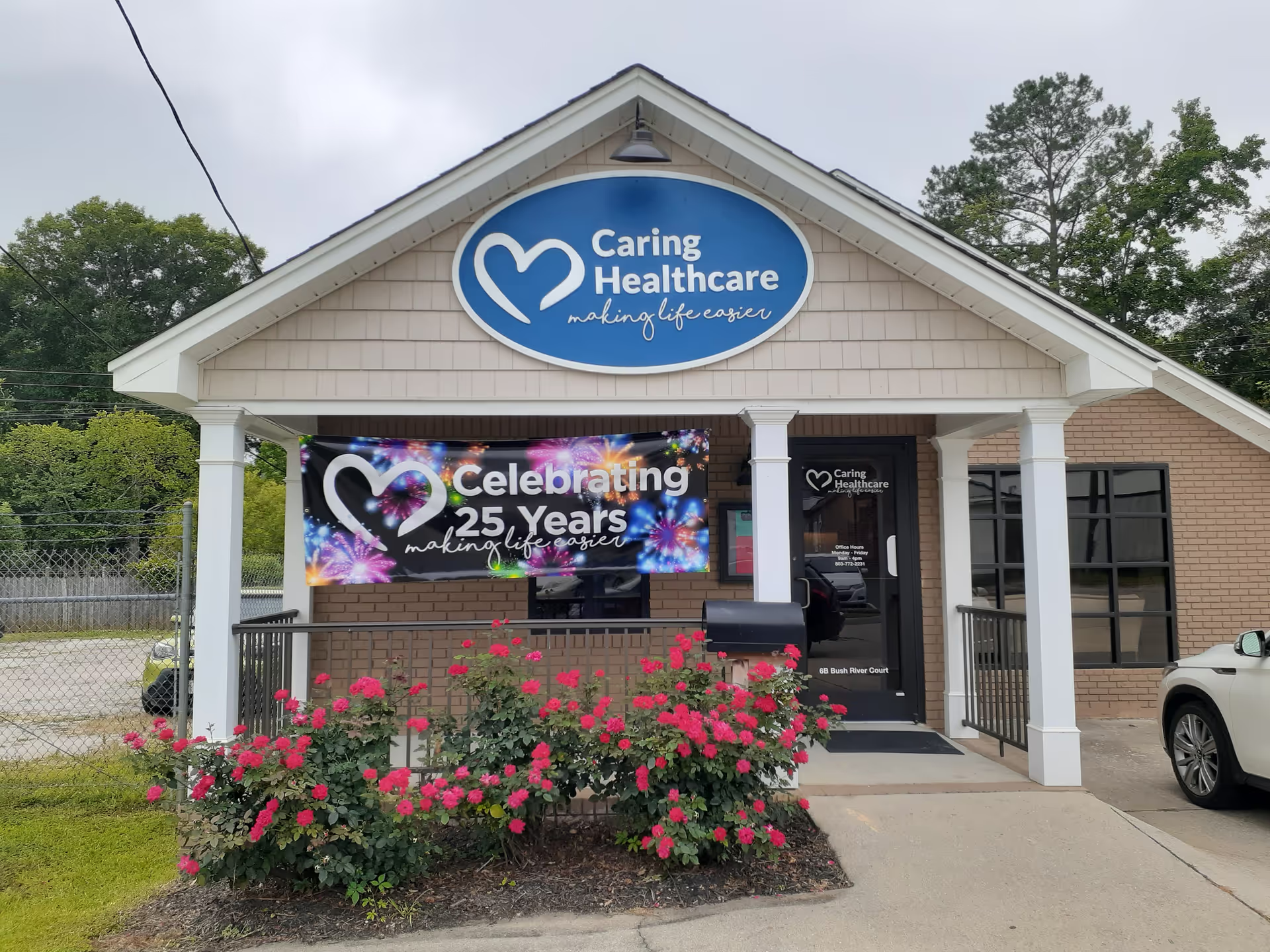
Overall impression: The agency elicits largely positive feedback for clinical skill and interpersonal care. Many families describe caregivers and therapy staff as compassionate, patient, and effective—especially physical and occupational therapists who are credited with measurable mobility and strength gains. Care teams are often characterized as encouraging, knowledgeable, and capable of delivering family-centered care, including child-friendly approaches and supportive end-of-life services.
Caregiver quality and case management: Caregiver competence and bedside manner are prominent strengths. Reviewers frequently highlight warm, respectful aides who explain procedures, adapt to client needs, and build trust quickly. Case managers and office clinicians are often described as proactive—coordinating supplies, communicating with physicians, and maintaining regular family updates (examples include scheduled follow-ups and personal touches such as birthday outreach). Therapy staff receive repeated praise for clear instruction, progressive exercise plans, and encouragement that supports functional recovery.
Communication, reliability, and scheduling: Many accounts commend the agency's responsiveness, flexible scheduling, and ability to provide short-notice coverage. Families note effective coordination for in-home visits and timely weekend or after-hours responses in some cases. That said, there is variability: a number of families reported punctuality issues, occasional late starts, and uneven shift coverage. Administrative touchpoints are generally helpful, but some reviewers encountered automated phone systems and limited live-phone support, which affected timely problem resolution.
Operational and value considerations: Positive comments emphasize professional staff, a clean clinic environment, streamlined online intake forms, and helpful clinic workflows. However, recurring operational themes indicate areas for improvement: inconsistencies in caregiver professionalism and conduct, billing and fee-transparency concerns, and spotty follow-through on referrals or promised administrative actions. A few accounts raised clinical oversight and hygiene/infection-control concerns and described difficulties with clinic logistics (directions, nurse availability for clinic appointments, or testing coordination).
Bottom line and guidance for prospective clients: Interim HealthCare of Columbia appears to deliver strong therapeutic outcomes and compassionate caregiving in many cases, supported by proactive case management and flexible scheduling options. Prospective clients should confirm specifics up front—ask about caregiver matching and supervision, clarify billing and administrative fees, verify phone support options, and confirm logistics for any clinic-based services or testing. Those steps can help leverage the agency's clinical strengths while mitigating the operational inconsistencies noted by some families.