
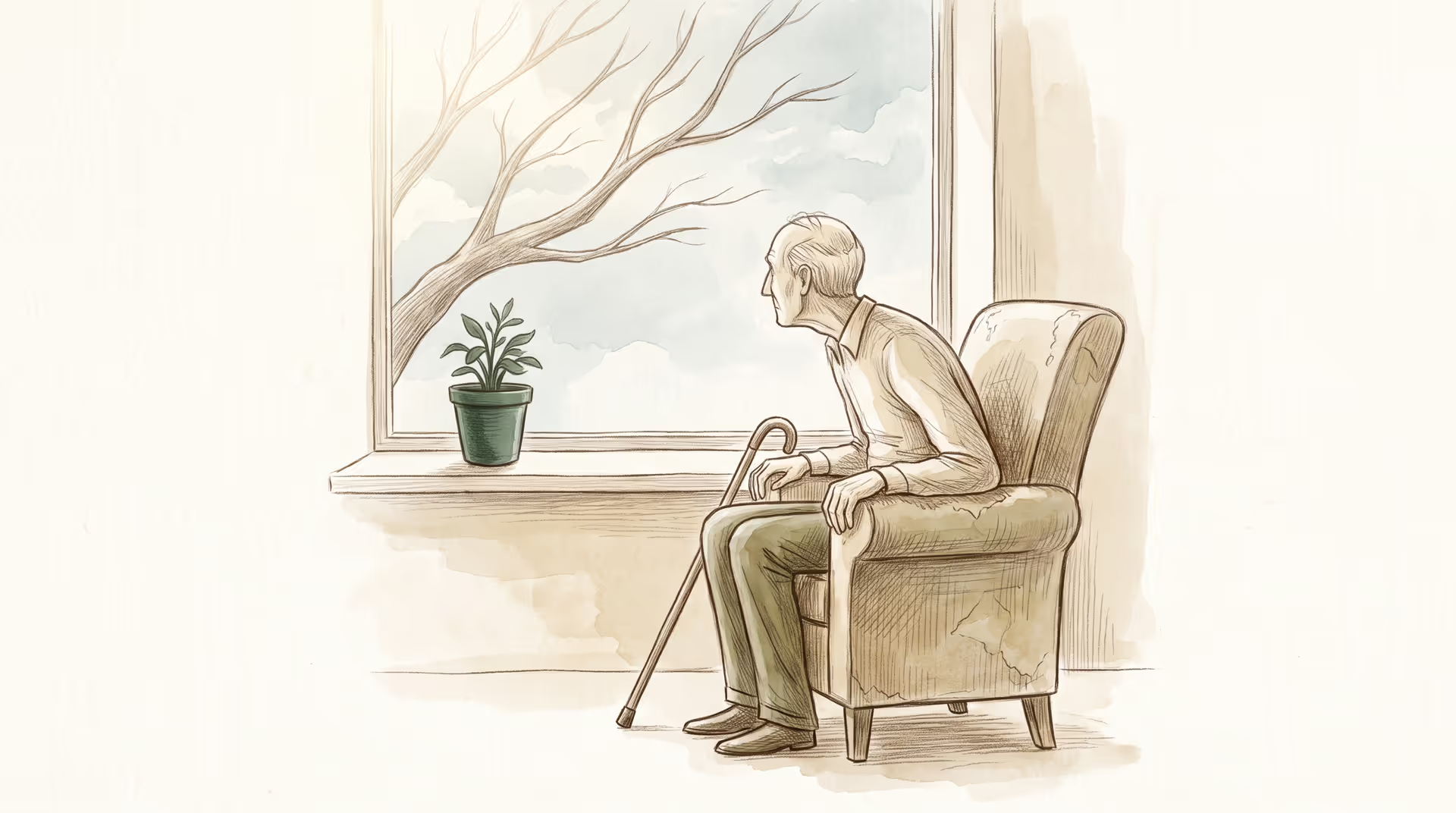
Aging with dignity is what most of us want for our parents. Yet many older adults and their families say dignity feels out of reach. The reasons are layered. Some come from systems and money. Some come from how we treat older people every day. Understanding these reasons helps you make better choices for the person you care about.
Big challenges that make dignity hard
Several real-world problems get in the way of dignified aging.
- More older people need care. We have a larger elderly population than before. That increases demand for caregivers and services.
- Healthcare systems are strained. When care is rushed or impersonal, people feel like “another patient” instead of a person.
- Costs rise faster than many budgets. Medical bills, home repairs, and care services can eat savings and force difficult choices.
- Dignity is personal. What feels dignified to one person may not work for another. That makes one-size-fits-all solutions hard.
These forces combine. For example, there may be fewer trained staff available to give the kind of respectful, personal care an older person prefers.
What dignity really means for older adults
Dignity isn’t just a fancy idea. Studies of older adults show a few common themes.
- Visibility and recognition matter. Older people want to be seen and heard. When staff or family ignore them, dignity suffers.
- Respect for identity and life story helps. People want their preferences, values, and routines acknowledged.
- Autonomy and choice are central. Being able to make decisions about daily life — where to live, what to eat, who visits — preserves dignity.
- Safety and trustworthy care are basic needs. Feeling safe at home or in care settings supports a sense of worth.
A meta‑analysis of qualitative studies found that lack of recognition and social invisibility are big threats to dignity. In short, dignity is both how others treat you and how much control you keep over your life.
How families can unknowingly make things worse
Most grown children mean well. But some common actions can chip away at a parent’s dignity.
- Speaking for them without asking. It’s easy to assume choices for someone who seems frail. That removes their voice.
- Rushing decisions. Quick moves into care settings or rapid changes in daily routines can feel disrespectful.
- Focusing only on tasks. When care becomes a list of chores, the emotional and social side is missed.
- Waiting too long to plan. Delays leave families scrambling and force compromises.
The Amada blog piece points out that too often we fail to take initiative. Dignity is personal. It needs planning and honest conversations.
Practical steps you can take now
You can protect your parent’s dignity in real, concrete ways. Start small and keep the person involved.
- Start the conversation early. Ask your parent how they want to live and what dignity means to them. Listen without arguing.
- Define simple priorities. Ask questions like: What routines matter most? Who should visit? Where do you want to live?
- Preserve choice every day. Let your parent pick clothes, meals, activities, and who helps them when possible.
- Keep routines and identity. Support hobbies, rituals, and social contacts that give life meaning.
- Offer privacy and respect. Knock before entering rooms. Explain care steps before you help. Keep personal information private.
- Hire help that fits. In-home caregivers can provide personal, one-on-one support that keeps people visible and known.
- Advocate for them in healthcare. Ask providers to explain options and respect your parent’s wishes.
- Plan finances and care options early. Talk to professionals about long-term care possibilities before a crisis hits.
These steps align with research showing dignity comes from recognition, choice, and respectful relationships.
How in-home care can protect dignity
If you’re arranging in-home care, you can use it to support dignity directly.
- One-on-one time helps caregivers learn the person’s life story and preferences.
- Care at home often keeps routines and independence intact.
- Skilled caregivers can help with personal care while preserving privacy and respect.
- You can match caregivers to personality and values, which supports recognition and trust.
Choosing the right agency, asking about caregiver training, and meeting caregivers ahead of time all help. Make sure care plans include your parent’s goals, not just a list of tasks.
When dignity feels at risk: what to watch for
Be alert for signs that dignity is slipping.
- The person seems withdrawn or ashamed.
- Care feels rushed or purely task‑focused.
- Staff or helpers ignore preferences or privacy.
- Your parent avoids social contact to hide needs.
If you notice these things, speak up. Small changes in approach often make a big difference.
A final word: dignity is a practice
Aging with dignity rarely happens by accident. It takes conversations, planning, and steady acts of respect. Systems and money matter, but so do daily choices. You can slow the slide toward invisibility by keeping your parent visible, heard, and in control where possible.
Start the conversation today. Ask what dignity looks like for your parent. Then build a simple plan that honors those wishes. Small steps now will protect their dignity later.
