
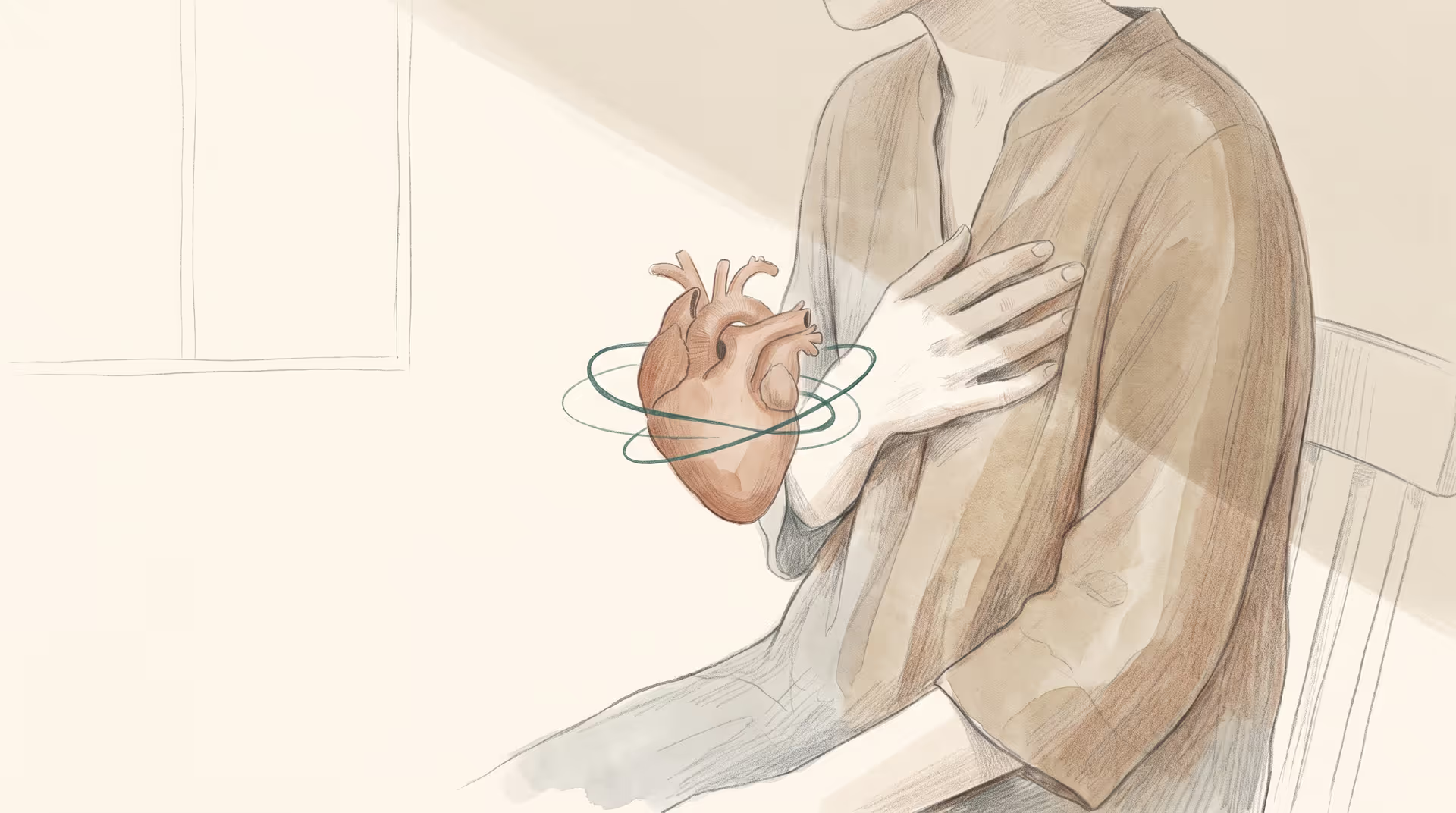
A heart attack can look different from person to person. Some people have sudden, strong pain. Others have mild symptoms that build slowly. Knowing the common signs can help you act fast for an aging parent. Fast action can save lives.
Common warning signs
These are the most common things people feel during a heart attack:
- Chest discomfort. Often in the center or left side. It may feel like pressure, squeezing, fullness, or pain. It can last for minutes, or come and go.
- Discomfort in other upper body areas. Pain may show up in one or both arms, the back, neck, jaw, or stomach.
- Shortness of breath. This can happen with or without chest discomfort.
- Other signs. These include breaking out in a cold sweat, nausea or vomiting, lightheadedness, or feeling unusually tired.
Sources like the American Heart Association, CDC, and major health services list these as key symptoms. Not everyone will have all of them. Some people have only one or two.
How symptoms may differ for women
Women often have symptoms that are less like classic chest pain. They can include:
- Shortness of breath.
- Nausea or vomiting.
- Unusual tiredness or weakness.
- Pain that feels like indigestion, or pain in the back, neck, jaw, or shoulder.
- Feelings of anxiety or a sense that something is wrong.
Because these signs can be mild or vague, women and their caregivers sometimes delay seeking help. The CDC and American Heart Association stress that women should get checked right away if they have these symptoms.
Silent heart attacks and at-risk people
Some heart attacks are "silent." People may have only mild symptoms or none at all. Silent heart attacks are more common in people with diabetes. Older adults can also have less typical symptoms. If your parent has diabetes, high blood pressure, high cholesterol, or a history of heart disease, be extra watchful.
What to do right away
If you think someone is having a heart attack, take action quickly:
- Call 911 immediately. EMS crews begin care on the way to the hospital. They also give the fastest route to lifesaving treatment.
- Do not drive the person to the hospital unless you have no other option. Emergency teams can treat patients and alert the hospital before arrival.
- If the person is conscious and not allergic, give one adult-strength aspirin (300 mg in some countries, or a 325 mg tablet). In the U.S., many guidelines recommend chewing one regular-strength aspirin if advised by dispatchers. Only give aspirin if there is no allergy and the person can safely swallow.
- If the person has prescribed nitroglycerin for angina, help them take it as directed.
- Watch breathing and responsiveness. If the person becomes unresponsive and stops breathing, start CPR and use an AED if one is available.
These steps are recommended by the American Heart Association, NHS, and other major health organizations.
How caregivers can prepare
If you care for an aging parent, take these practical steps now:
- Make an emergency plan. Put important medical information in an easy-to-find place. Include medications, allergies, doctor names, and insurance details.
- Learn CPR and how to use an AED. Local groups and hospitals often offer short classes.
- Keep a charged phone nearby. Program emergency numbers and your parent’s doctors into speed dial.
- Keep medications organized and up to date. Use pill boxes or medication apps to avoid missed doses.
- Keep aspirin and, if prescribed, nitroglycerin on hand. Check expiration dates.
- Make the home EMS-friendly. Clear narrow paths and make sure doors and gates can be opened quickly.
- Consider a medical alert device if your parent lives alone or is at high risk.
A small amount of planning can make it much easier to act quickly.
After a heart attack: what to expect
If a parent survives a heart attack, follow-up care is important. Hospital teams will run tests to learn what happened. Treatments can include medicines, procedures like angioplasty, or surgery. Long-term care often includes:
- Medications to prevent blood clots, lower cholesterol, and control blood pressure.
- Cardiac rehabilitation: supervised exercise, education, and counseling to help recovery.
- Lifestyle changes: healthier eating, quitting smoking, and regular activity when the doctor says it’s safe.
- Monitoring for complications, like changes in heart rhythm or reduced heart function.
Tell the care team about any new or returning symptoms. People who have had one heart attack are at higher risk for another, so follow-up care and rehab matter.
What to watch for after recovery
During recovery, watch for warning signs that should prompt an immediate call to 911:
- New or returning chest pain that lasts more than a few minutes.
- Sudden shortness of breath, fainting, or lightheadedness.
- Sudden, severe weakness or confusion.
- Sudden heavy sweating, nausea, or vomiting.
Also watch for signs of depression or anxiety. Many people feel anxious after a heart attack. A GP or cardiac rehab team can connect your parent with support.
Final thoughts for family caregivers
Heart attack symptoms vary. They can be dramatic or subtle. Trust your instincts. If something feels wrong, call 911. For aging parents, preparation makes a difference. Have a clear emergency plan, know their medical history, and keep essential items ready. Learn basic first aid and keep important phone numbers handy. That readiness can buy time and may save a life.
