
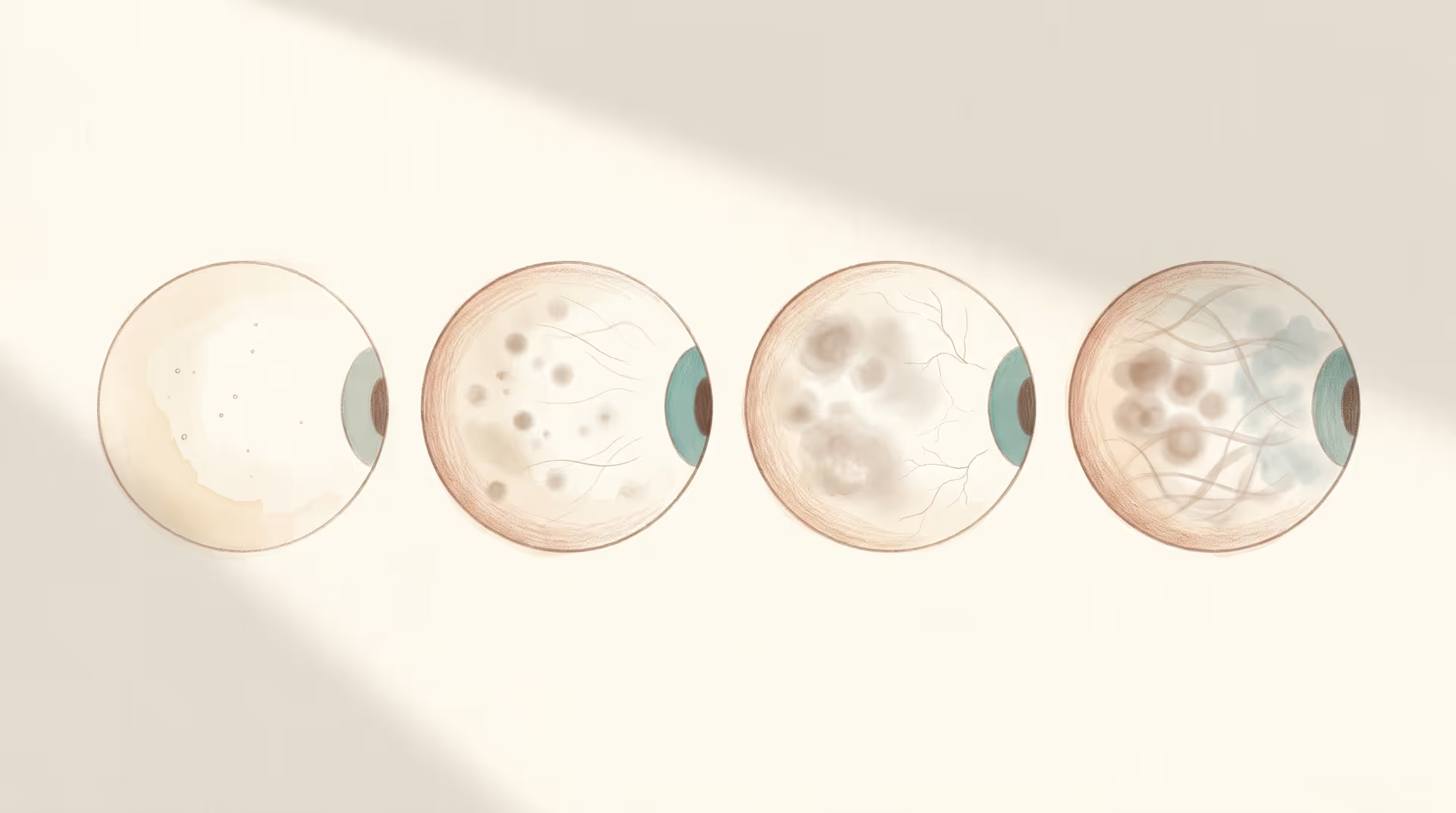
Diabetic retinopathy is a common complication of diabetes. It affects the tiny blood vessels in the retina. For an aging parent with diabetes, regular eye care can make the difference between keeping useful vision and losing it. This article explains the four stages of the disease, what the signs and symptoms are, how doctors monitor it, and what you can do as a caregiver.
What is diabetic retinopathy?
High blood sugar can damage the small blood vessels in the retina. Early on, the disease is called nonproliferative diabetic retinopathy (NPDR). Later, it can become proliferative diabetic retinopathy (PDR), when new but fragile blood vessels grow on the retina. Over time, most people with diabetes develop some level of retinopathy. Studies show about 25% have NPDR five years after diagnosis, 60% at 10 years, and 80% at 15 years. The chance of PDR grows the longer someone has diabetes.
Stage 1 — Mild nonproliferative diabetic retinopathy
What you’ll see on exam:
- Tiny balloon-like swellings called microaneurysms.
- Little or no bleeding or swelling around the macula in this stage.
Symptoms:
- Most people have no symptoms yet.
- Vision usually remains normal.
What doctors do:
- A dilated eye exam and fundus photos or OCT when available.
- Typical follow-up is every 12 months if there is no macular edema.
What caregivers can do:
- Help schedule and keep yearly eye exams.
- Make sure the primary care doctor or endocrinologist gets the eye report.
- Help your parent keep good blood sugar control, which slows progression.
Note: If microaneurysms are found in someone not known to have diabetes, their primary care doctor should test for diabetes.
Stage 2 — Moderate nonproliferative diabetic retinopathy
What you’ll see on exam:
- More damaged retinal blood vessels.
- Leakage of blood and fluid into retinal tissue.
- Hard exudates or cotton wool spots may appear.
Symptoms:
- Vision may start to blur if fluid reaches the macula.
- Some people still have few or no symptoms.
What doctors do:
- More frequent monitoring, often every 6–8 months.
- OCT scans if there is any concern about macular swelling (DME).
What caregivers can do:
- Watch for complaints of blurry or cloudy vision.
- Help arrange OCT testing if the eye doctor recommends it.
- Keep a written record of any vision changes and share it with providers.
Stage 3 — Severe nonproliferative diabetic retinopathy
What you’ll see on exam:
- Many more blocked or damaged vessels.
- Signs of retinal ischemia (areas not getting blood).
- The eye may begin signaling for new vessel growth.
Symptoms:
- Blurred vision, more floaters, or patches of missing vision can occur.
- Higher risk that vision loss will become permanent.
What doctors do:
- Urgent referral to a retina specialist is often recommended.
- Follow-up commonly every 3–4 months, or sooner.
- Close checks for diabetic macular edema (DME).
What caregivers can do:
- Treat this stage as higher risk and act quickly on eye-care appointments.
- Make sure specialists have a full medical history and medication list.
- Coordinate visits between the retina specialist and the parent’s primary doctor.
Modern studies report that patients with severe NPDR have a much higher chance of progressing to PDR in a short time. That’s why fast follow-up matters.
Stage 4 — Proliferative diabetic retinopathy (PDR)
What you’ll see on exam:
- New, abnormal blood vessels growing on the retina and optic nerve.
- Fragile vessels prone to bleeding into the vitreous.
- Scar tissue that can pull on the retina and cause detachment.
Symptoms:
- Floaters that appear suddenly or increase.
- Flashes of light.
- Sudden loss of vision or shadows in part of the field.
- Distorted or cloudy vision.
What doctors do:
- Immediate care by a retina specialist.
- Treatments can include anti-VEGF injections, laser photocoagulation, or vitrectomy surgery when needed.
- Frequent monitoring — sometimes monthly — until stable.
What caregivers can do:
- Treat any sudden increase in floaters, flashes, or sudden vision loss as an emergency.
- Take your parent to the retina clinic or ER based on the specialist’s advice.
- Stay involved in scheduling and transportation, especially for repeat injection visits.
Diabetic macular edema (DME) — why it matters
DME is swelling of the central retina (macula) caused by leaking vessels. It can occur at any stage and is a major cause of vision loss in people with diabetes. Doctors use OCT scans to measure retinal thickness and fluorescein angiography to look for leaking blood vessels.
If DME affects or is close to the center of the macula, it is called clinically significant macular edema (CSME). That usually requires prompt treatment. Today, the most common first-line therapy for center-involving DME is anti-VEGF injections. These medications reduce swelling and often improve vision. Laser used to be the main option; now it is used less because injections tend to preserve more vision for many patients.
Treatments you should know about
- Anti-VEGF injections: Given into the eye by a retina specialist. They reduce abnormal vessel growth and swelling. Often given monthly at first, then spaced out based on response.
- Laser photocoagulation: Still used in some cases to seal leaking vessels or treat widespread abnormal vessels. It can slow progression.
- Vitrectomy surgery: Removes blood and scar tissue inside the eye. Used for severe bleeding or retinal detachment.
Decisions about which treatment to use depend on the stage, whether DME is present, and overall health. Your parent’s retina specialist will make that plan.
Practical steps for caregivers
- Help your parent get regular dilated eye exams. Recommendations: type 1 diabetes — first exam within 5 years of diagnosis; type 2 — exam at diagnosis and then yearly. Also screen pregnant women with preexisting diabetes early in pregnancy.
- Watch for warning signs: sudden floaters, flashes, or any sudden drop in vision. These need urgent attention.
- Keep a list of eye appointments, test results, and clinic contacts. Share these with the primary care provider and endocrinologist.
- Help with transportation and follow-up for injections or laser appointments.
- Support good diabetes control: medication adherence, glucose checks, healthy meals, and movement as advised by the medical team.
Early detection and timely treatment preserve vision. As a caregiver, your role in scheduling, transportation, and watchful support can make a big difference in your parent’s eye health. If you ever see sudden vision changes, call the eye doctor right away.
