
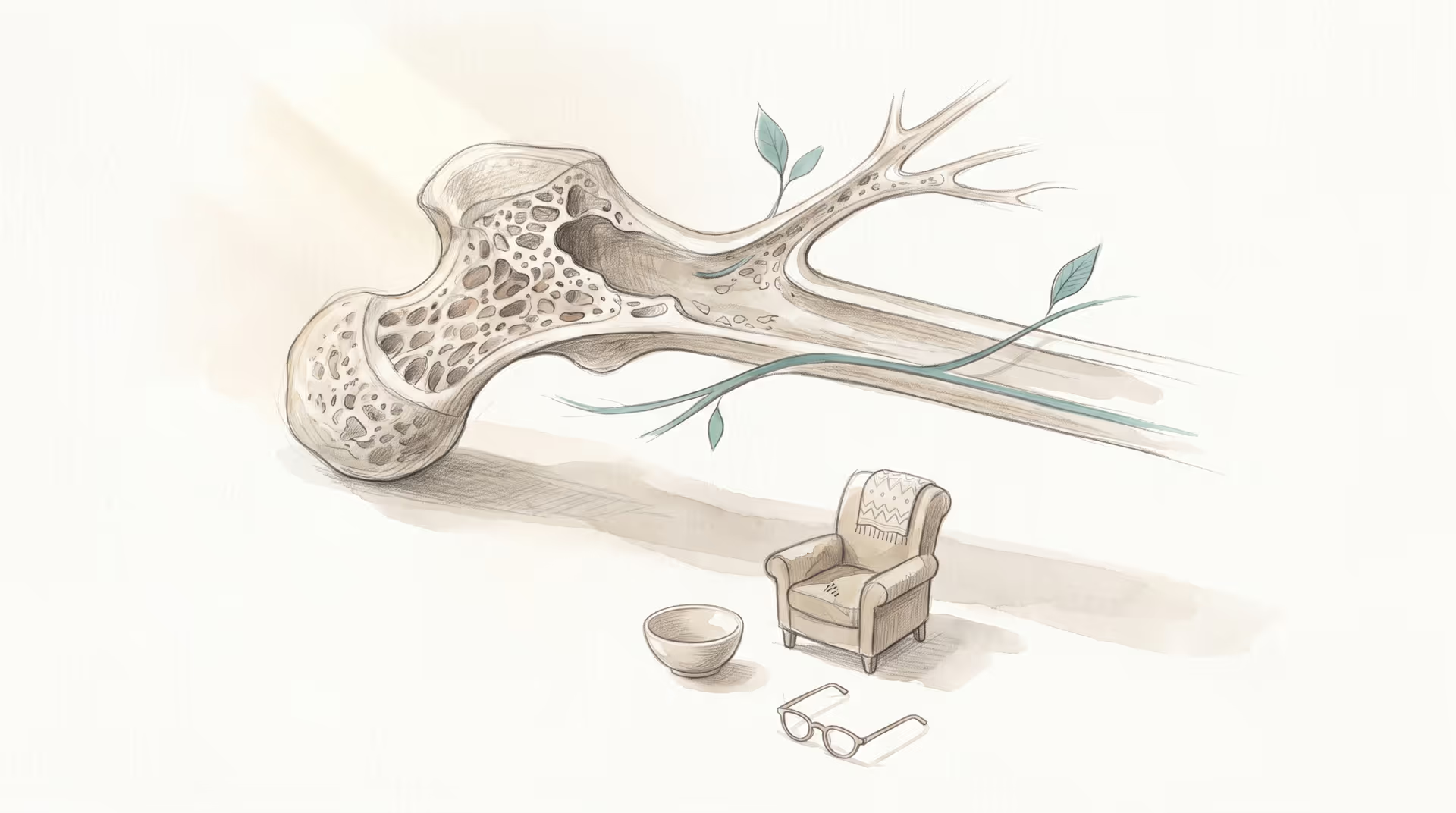
Osteoporosis makes bones weak and more likely to break. It is often silent until a bone breaks. As an adult child arranging care for a parent, understanding risk factors helps you plan prevention and safety at home.
What is osteoporosis in plain terms
Osteoporosis means lower bone mass and weaker bone structure. Bones can break from a minor fall, or even from bending or coughing. The most common breaks are in the hip, spine (vertebrae), and wrist. Sometimes spine fractures cause sudden back pain, loss of height, or a stooped posture.
Why knowing risk factors matters
Knowing which risk factors your parent has helps you and their doctor act early. Some risks you cannot change. Others you can reduce with lifestyle changes, medicines, or home safety steps. Early action can lower the chance of a broken bone and the loss of independence that can follow.
Risks you cannot change
- Age. Bone loss speeds up as people get older.
- Sex. Women are more likely to develop osteoporosis than men.
- Race. White and Asian people tend to have higher risk, though people of any race can get osteoporosis.
- Family history. A parent who had osteoporosis or a hip fracture raises the chance your parent will too.
- Personal fracture history. A broken bone after a minor fall is a warning sign.
- Menopause and low sex hormones. Women lose bone faster after menopause. Men with very low testosterone are at higher risk.
- Small body size. Thin or petite adults have less bone mass to begin with, so loss can matter more.
These factors don’t mean someone will definitely get osteoporosis. They do mean the person should be watched more closely.
Medical conditions and medicines that raise risk
Certain health conditions can weaken bones or lower bone-building hormones. Common ones include:
- Rheumatoid arthritis and other inflammatory diseases.
- Digestive disorders that limit nutrient absorption, like Crohn’s disease or celiac disease.
- Endocrine problems such as hyperparathyroidism or long-term low sex hormones.
- Chronic lung, liver, or kidney disease.
- Some cancers and blood disorders.
- Eating disorders and long-term malnutrition.
- Neurologic or cognitive conditions that increase fall risk, like dementia.
Some medicines can also increase bone loss, especially when used long term. These include:
- Oral corticosteroids (for asthma, arthritis, and other conditions).
- Certain cancer therapies and hormone-deprivation treatments.
- Some anti-seizure drugs and certain diabetes medicines.
- Proton pump inhibitors (for acid reflux) and some antidepressants.
- Long-term use of some blood thinners and immunosuppressants.
If your parent takes any of these drugs, ask the prescriber about bone health and whether monitoring or protective treatment is needed.
Lifestyle risks you can change
These are common, and many are manageable with support:
- Inactivity. Bones need weight-bearing and strength exercises to stay strong.
- Low calcium and vitamin D intake. Both are important for bone maintenance.
- Tobacco use. Smoking increases fracture risk.
- Excess alcohol. Drinking heavily raises fracture risk.
- Low body weight or recent weight loss.
- Poor overall nutrition or very low protein.
- Eating disorders.
- Frequent falls around the home.
Small, steady changes can help. Encourage safe walking, simple resistance exercises, balanced meals, and a check for vitamin D levels. Help arrange a physical therapist if balance or strength is a problem.
Signs to watch for
Osteoporosis is often silent. But watch for:
- Sudden, severe back pain.
- Loss of height or a bend in the upper back. The International Osteoporosis Foundation notes loss of about 4 cm (just over 1.5 inches) can be a red flag.
- A fracture after a low-impact fall or normal activity.
If you notice these, contact the doctor right away.
Who should be screened
Screening helps find bone loss before a fracture. Common guidelines recommend:
- Women aged 65 and older.
- Men aged 70 and older.
- Anyone 50 or older who has had a fracture, or who has other risk factors.
- Younger postmenopausal women and adults on long-term risk medicines may also need testing.
Screening is usually done with a bone density test (DEXA). Doctors may also use fracture risk tools to decide on treatment.
Steps you can take as a caregiver
- Get a bone health assessment. Help schedule the DEXA scan and attend appointments.
- Review medicines with the doctor or pharmacist. Ask whether any drugs raise fracture risk and if alternatives exist.
- Improve home safety to reduce falls. Add grab bars, remove trip hazards, increase lighting, and secure rugs. Consider a bedside lamp and a clear path to the bathroom.
- Arrange strength and balance training. Physical therapy can reduce falls and build muscle.
- Help with nutrition and supplements. Make meals with calcium-rich foods and enough protein. Ask the doctor about a vitamin D supplement if levels are low.
- Encourage quitting smoking and limiting alcohol. Offer support and resources.
- Keep records of any height loss or new back pain. Note any low-impact fractures and tell the doctor.
Final thoughts
Osteoporosis is common, but it can be managed. Some risks you cannot change. Many you can reduce. As you arrange care for a parent, focus on screening, medicine review, home safety, nutrition, and exercise. Talk with their doctor about a plan that fits their health and daily life. Small steps now can prevent a hard-to-manage fracture later.
