
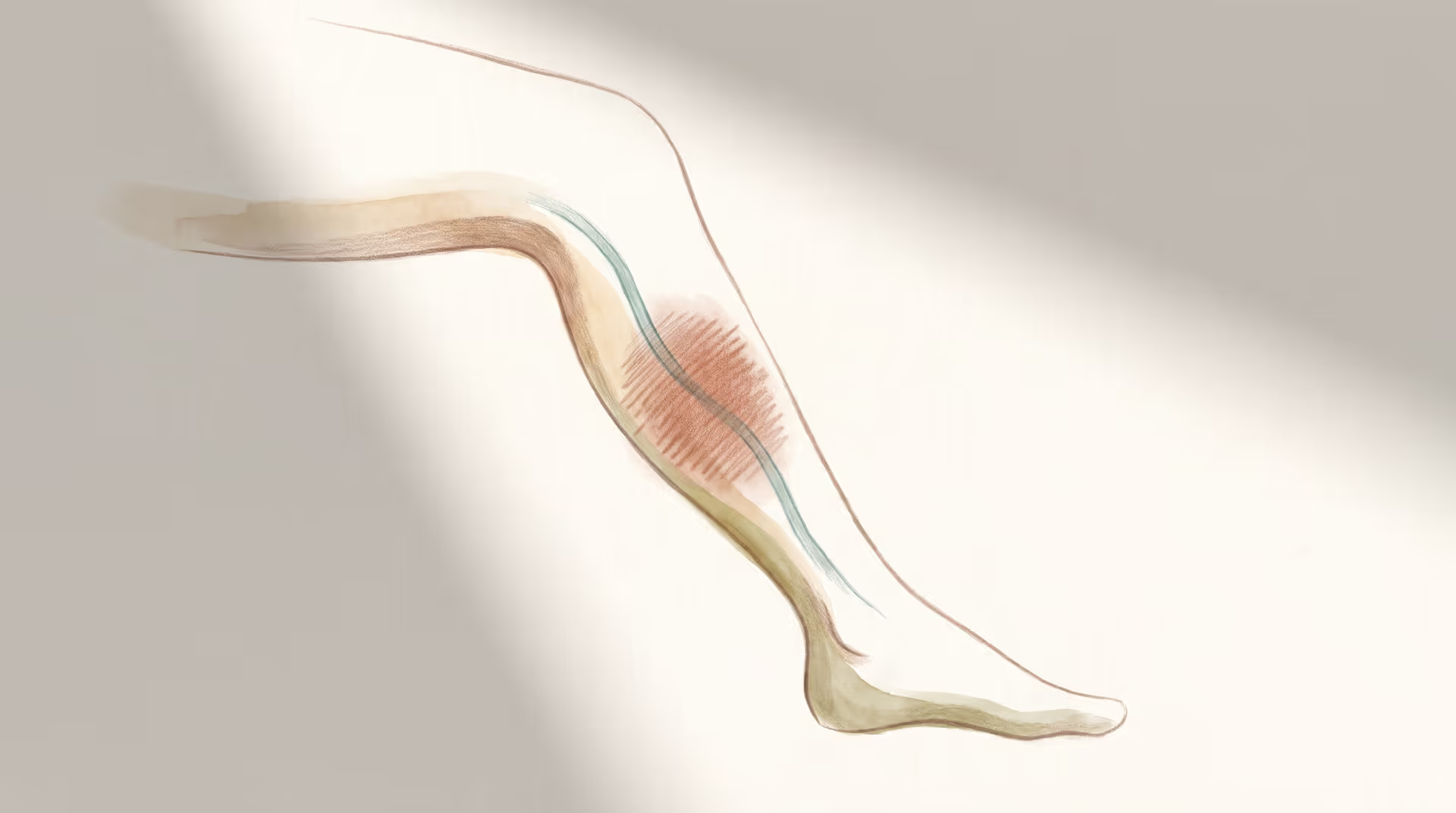
Deep vein thrombosis (DVT) is a blood clot that forms in a deep vein. It most often starts in the lower leg, thigh, or pelvis. DVT matters because a clot can break free and travel to the lungs. That causes a pulmonary embolism (PE), which can be life‑threatening. This guide explains what to watch for, how DVT is diagnosed and treated, and what you can do when you’re arranging in‑home care for an aging parent.
What DVT looks like
DVT can be easy to miss. Some people have no symptoms at all. When symptoms do happen, they most often affect one leg and can include:
- Swelling in the leg or ankle
- Pain, soreness, or cramping, often starting in the calf
- Warmth over the affected area
- Red or discolored skin on the leg
If a clot travels to the lungs, signs of pulmonary embolism include sudden shortness of breath, chest pain that gets worse with a deep breath or cough, lightheadedness, or coughing up blood. Any of those symptoms require immediate emergency care.
(These are the common warning signs listed by major medical centers and public health agencies.)
Why DVT happens
DVT occurs when blood clots form in places where blood flow is slow or where a vein is injured. Common triggers and risk factors include:
- Long periods of not moving, such as bed rest after surgery or long travel
- Recent surgery or injury
- Older age
- Active cancer or cancer treatment
- Pregnancy and the weeks after delivery
- Hormone medicines like birth control or hormone replacement therapy
- Obesity
- Smoking
- A personal or family history of blood clots
- Inherited clotting disorders (for example, factor V Leiden)
Anyone can get a DVT, but having one or more of these factors raises the risk.
How doctors diagnose DVT
If a caregiver notices symptoms, the person should see a healthcare provider without delay. Diagnosis usually includes:
- A physical exam and medical history
- Blood tests such as a D‑dimer (helps rule out clotting in some cases)
- Vascular ultrasound of the leg (the most common test to find DVT)
- In some cases, CT, MRI, or a venogram to look at deeper veins
Tests help your parent’s care team decide the safest treatment and whether the clot has moved or is large.
Common treatments
Treatment aims to stop the clot from growing, lower the risk of a PE, and prevent new clots. Options include:
- Anticoagulant medicines (blood thinners). These are the main treatment. They don’t dissolve the clot right away, but they give the body time to break it down and prevent new clots. Common types include heparin, warfarin, and newer oral agents such as apixaban or rivaroxaban.
- Thrombolytic drugs (clot busters). These are used only in certain severe cases because they carry higher bleeding risk.
- Compression stockings. These can reduce swelling and help prevent long‑term leg problems. Some people wear them for months to years after a DVT, as advised by their provider.
- Procedures. In rare situations, doctors may remove a clot with a catheter (thrombectomy) or place an inferior vena cava (IVC) filter to prevent large clots from reaching the lungs.
How long blood thinners are needed depends on factors like whether the DVT was provoked (for example, by surgery), whether there are ongoing risk factors, and personal history. Your parent’s doctor will guide timing and follow‑up.
What to watch for when your parent is on blood thinners
Blood thinners raise the risk of bleeding. As a caregiver, watch for:
- Unusual bruising or bleeding (nosebleeds, bleeding gums)
- Heavy or prolonged menstrual bleeding
- Blood in urine or stool
- Severe headache, dizziness, or weakness
- Any falls or head injuries
If you notice major bleeding or signs of stroke or severe injury, seek emergency care. Keep a list of all medicines, supplements, and herbal products because some interact with blood thinners. If your parent is on warfarin (Coumadin), regular blood tests (INR) are needed to monitor dose. Newer oral agents usually need less routine blood testing, but kidney and liver function should be checked periodically.
How caregivers can help prevent DVT and support recovery
If you’re arranging in‑home care, you can reduce risk and support treatment with practical steps:
- Encourage movement. Help your parent walk several times a day, if allowed. After surgery or illness, follow the provider’s guidance for safe activity.
- Break up long sitting periods. For car or plane travel, plan regular stops. When seated, have them do ankle pumps and leg lifts every hour.
- Manage medications. Make sure anticoagulant doses are taken as prescribed. Track appointments and lab tests. Alert the provider about any other medicines or supplements.
- Use compression stockings correctly. A clinician should recommend the right size and pressure. Home caregivers can help put them on and check the skin underneath.
- Reduce other risks. Help with smoking cessation, weight management, and control of chronic conditions like heart disease or diabetes.
- Watch for symptoms. Know the signs of DVT and PE and act fast if they occur.
Mobility aids, grab bars, and a clear path for walking at home can support safe activity. If your parent has limited mobility, a physical therapist can help design safe exercises.
When to get urgent help
Call 911 or go to the emergency room if your parent has sudden shortness of breath, chest pain, coughing up blood, fainting, or severe lightheadedness. These can be signs of a pulmonary embolism and need immediate care.
Final notes
DVT is common and often preventable. Early diagnosis and treatment reduce the risk of serious problems. As someone arranging in‑home care, you play an important role. Encourage movement, help manage medicines, and watch for warning signs. Talk with your parent’s healthcare team about their individual risk and the best prevention steps for home.
