
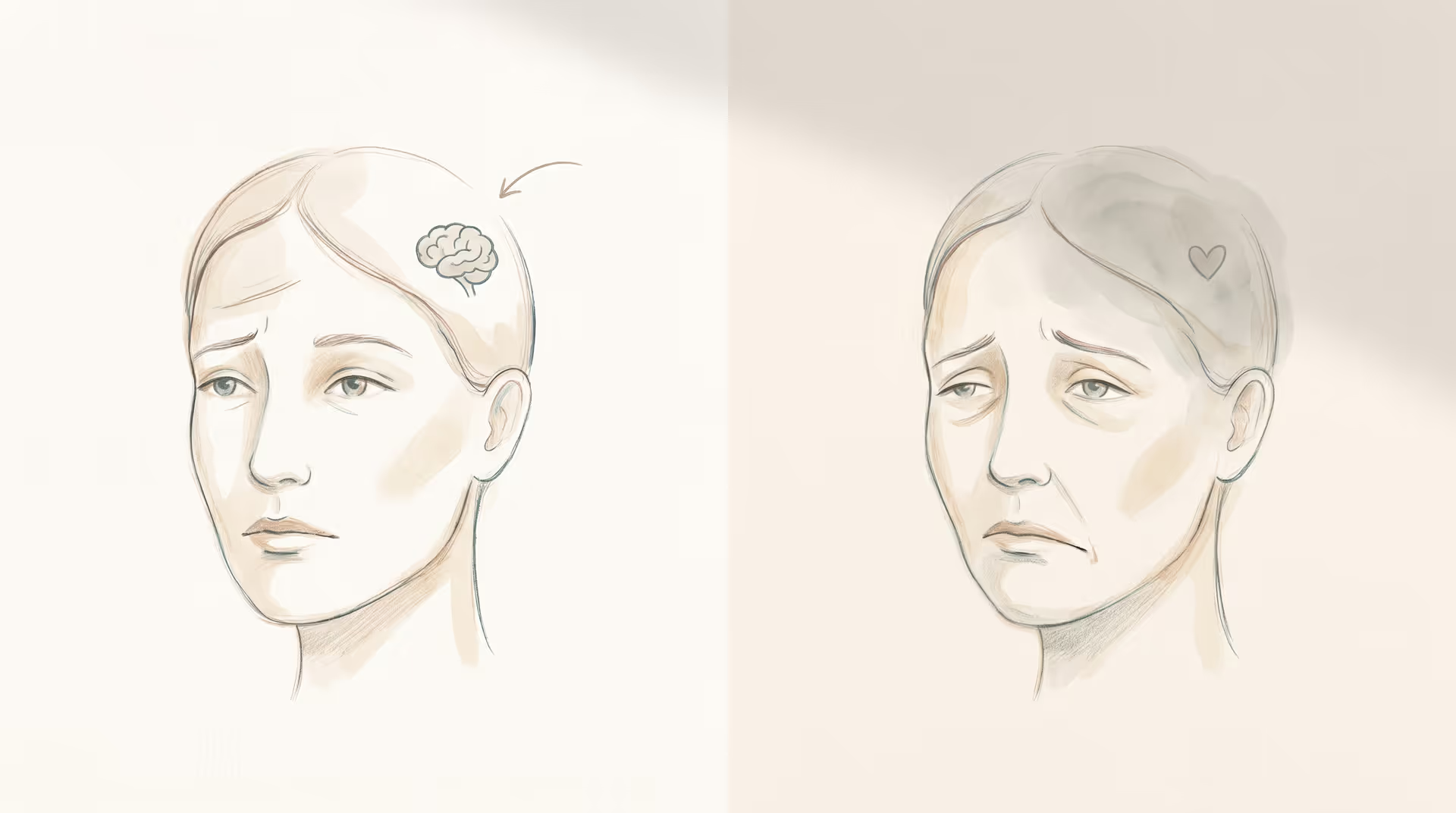
If your parent suddenly has one side of their face droop, it can be scary. Two different problems can cause that same look: Bell’s palsy and stroke. They need very different care. This guide explains the main differences. It also tells you what to do right away and what to expect later.
What each problem is, in simple terms
- Bell’s palsy is a sudden weakness or paralysis of the facial nerve (cranial nerve VII). It affects the muscles that move the face. Doctors think it comes from inflammation of the nerve. Many people get better with time and treatment.
- A stroke happens when blood flow to part of the brain is blocked or a blood vessel breaks. Brain cells can be damaged or die. A stroke is a medical emergency and can cause many kinds of sudden problems, including facial droop.
Key symptom differences
Both conditions can cause one-sided facial droop. Here are the things that help tell them apart.
Bell’s palsy (facial nerve problem)
- The whole side of the face is weak, including the forehead. The person may not be able to raise their eyebrow or close the eye on that side.
- Symptoms can come on quickly, often over hours or a day or two.
- Other face-related signs may appear: changed taste, too much tearing or a dry eye, or sensitivity to sound on the affected side.
- Bell’s palsy usually does not cause weakness in an arm or a leg, numbness in the body, trouble with walking, or double vision.
Stroke (brain blood flow problem)
- Facial droop from a stroke often comes with other neurologic signs. Watch for weakness or numbness in an arm or leg, trouble speaking or understanding speech, sudden loss or change in vision, trouble walking, or sudden severe headache.
- In many strokes the forehead muscles are less affected because the brain sends forehead signals from both sides. So the person may be able to wrinkle their forehead but still have droop around the mouth.
- Stroke signs can be limited to speech, balance, or vision at first. Not all strokes look the same.
Use FAST (or BE FAST) — treat it like a stroke until proven otherwise
If you see sudden face droop, follow the usual stroke rules and call 911 right away. Time matters.
- F — Face: uneven or drooping face?
- A — Arms: can they raise both arms?
- S — Speech: is speech slurred or strange?
- T — Time: if any of these are present, call 911.
Some groups add:
- B — Balance: sudden loss of balance or coordination?
- E — Eyes: sudden vision loss or trouble seeing?
If any of these signs appear, do not wait. Call emergency services. Even if it turns out to be Bell’s palsy, emergency care will make sure a stroke is not missed.
How doctors tell the difference
- The initial answer often comes from the history and a quick exam. Doctors look for other neurologic signs (weak arm or leg, speech trouble, vision changes).
- Imaging (CT or MRI) is used when a stroke is suspected. MRI shows brain changes from stroke. Sometimes doctors order imaging to rule out stroke if the exam is unclear.
- For Bell’s palsy, doctors may treat first and watch for improvement. If needed, ENT (ear, nose, throat) or neurology may do tests like electromyography to check the facial nerve.
Treatment and recovery
Bell’s palsy
- Typical treatment includes a course of oral steroids started soon after symptoms begin. Some patients also get antivirals in certain cases.
- Protecting the eye is important because the person may not close the eye. Use artificial tears during the day and a protective eye patch at night to prevent corneal damage.
- Many people improve a lot over weeks to months. Most recover fully or nearly fully, especially when steroids are started early.
Stroke
- Treatment depends on the type and timing of the stroke. For some ischemic strokes, there are emergency treatments that can remove or break up a clot, but they must be given quickly.
- Rehabilitation after stroke may include physical therapy, occupational therapy, speech therapy, and long-term medical care to manage risk factors.
- Recovery is variable. Some people recover well; others have lasting disability. Preventing future strokes focuses on controlling blood pressure, diabetes, cholesterol, stopping smoking, and taking prescribed medications.
What to do if this happens at home
- Stay calm and act fast. Note the exact time symptoms started. That time matters for stroke treatment.
- Call 911 immediately if the FAST or BE FAST signs are present.
- Keep the person safe and comfortable while waiting for help. Do not give them food or drink if they have trouble swallowing.
- Tell the emergency team about any history of diabetes, blood thinners, or recent illnesses.
- If doctors diagnose Bell’s palsy, follow their plan for medicines and eye care. If stroke is diagnosed, ask about the rehabilitation plan and risk-factor changes.
Tips for caregivers and adult children
- Keep a list of your parent’s medications and medical history ready. Share it with the ER team.
- Watch for other symptoms that develop after the initial event. Report new weakness, confusion, or vision changes right away.
- If the diagnosis is Bell’s palsy, remind your parent about eye protection and follow-up with their doctor or ENT.
- If the diagnosis is stroke, ask about in-home care needs early. Many stroke survivors benefit from skilled nursing and therapy at home.
Bottom line
Facial droop can be caused by Bell’s palsy or by a stroke. You can’t reliably tell which it is by appearance alone. When in doubt, treat it as a possible stroke and call 911. Quick action protects the brain and gives the best chance for recovery. If it is Bell’s palsy, most people improve with medical care and time, and you can focus on protecting the eye and following the treatment plan.
