
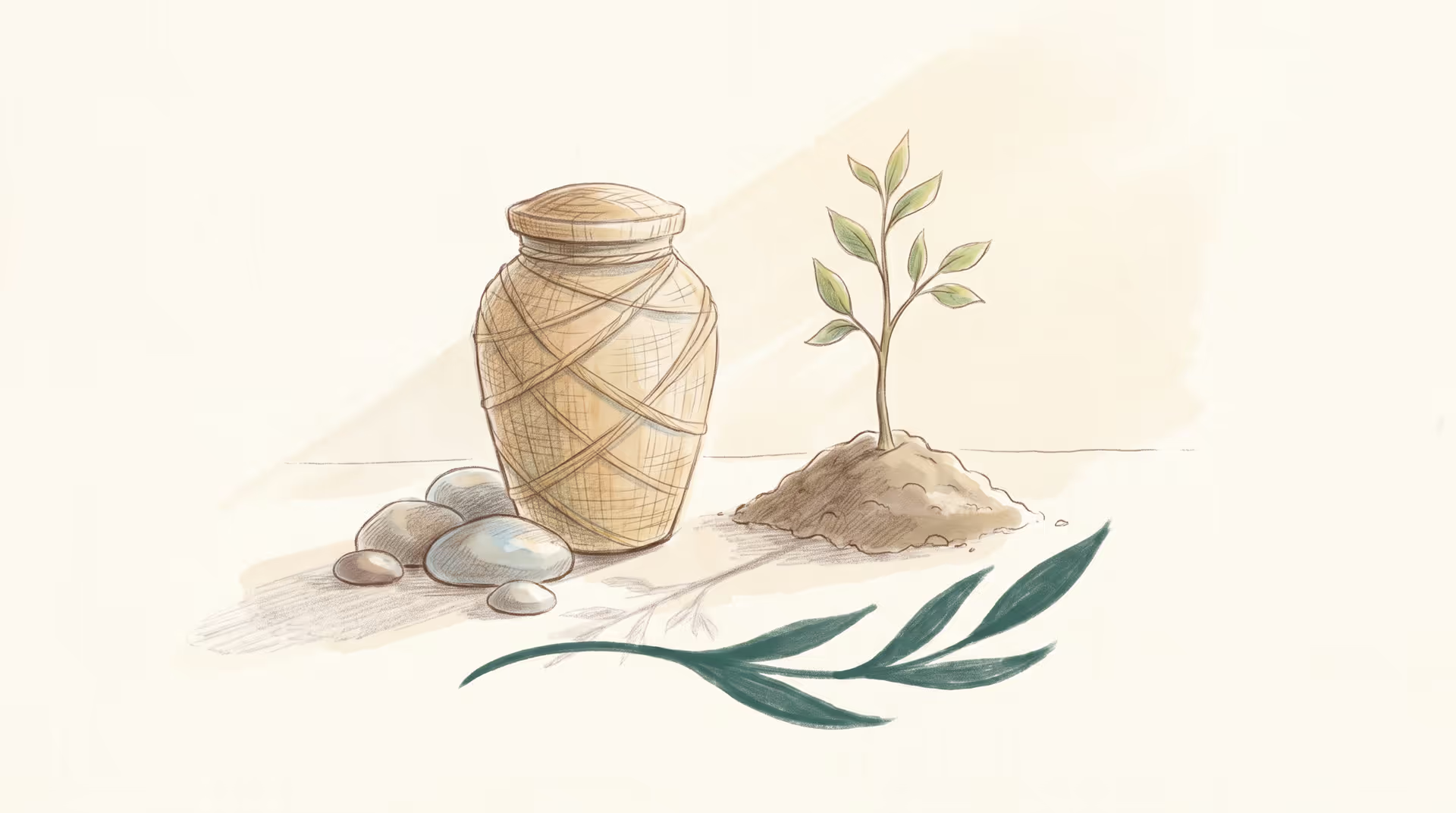
Talking about funerals is hard. But planning ahead can make things easier for your parent and for you. Traditional funerals are not the only way to say goodbye. There are many alternatives that can match a person’s life, values, and budget. Below are clear options and simple steps to help you choose what fits your family.
Why consider an alternative?
Traditional funerals often follow a set format: a viewing, a service, and burial. But not everyone wants that. Some people prefer something less formal, more private, eco-friendly, or even joyful. Alternatives let you honor the person in a way that feels right for them and for your family. Funeral homes and online services can help arrange many of these options.
Cremation and variations
Cremation is a common alternative to burial. It gives families more time to plan gatherings. You can choose a witness cremation, a memorial before or after the cremation, or direct cremation with no service. Direct cremation is often the least expensive choice since it skips a formal ceremony.
After cremation you can:
- Hold a memorial service with the ashes present.
- Scatter ashes in a meaningful place (make sure you follow local rules).
- Keep ashes in an urn, bury them, or divide them among family members.
Natural and green burials
Natural burial (or green burial) avoids embalming and concrete vaults. The body is placed in a biodegradable shroud or casket and returned to the earth in a protected natural cemetery. This option often feels right for people who cared about the environment. Laws and cemetery rules vary by state, so check local regulations before you plan.
Celebration of life or a private party
A celebration of life can be less formal and more personal than a funeral. These events focus on stories, music, photos, and favorite foods. You can hold them at:
- A favorite restaurant or bar.
- Your home for an open-house style gathering.
- A park, club, or community hall.
Families sometimes pick a meaningful date like a birthday or anniversary to gather. This can let people grieve in a less pressured way and create a memorable time to remember the person.
Memory activities and hobbies
Think about how your loved one spent their time. You can honor them by doing what they loved with the people they loved. Ideas include:
- A golf day, trivia night, or group trip to a game.
- A movie night showing a favorite film.
- A backyard BBQ or potluck with open mic time for stories.
These events tend to be relaxed and let people share memories naturally.
Scattering and outdoor ceremonies
Scattering ashes can be a private or public ceremony. You can do it at a beach, lake, mountain, or another place that mattered to your loved one. Many people add a short eulogy, music, or a favorite reading. Always check local rules—national parks, local parks, and some beaches have restrictions or require permits.
Memorial keepsakes and art
Cremated remains can be turned into keepsakes or art. Options include:
- Glass or ceramic art that contains a small amount of ashes.
- Jewelry or diamonds created from carbon in the ashes.
These options create a physical, personal memento you can keep at home.
Eco-technology options: aquamation and recomposition
New eco-friendly methods are now available. Aquamation (also called water cremation) uses water and gentle heat to reduce the body. Recomposition, or natural organic reduction, returns the body to soil in a controlled process. Both are alternatives for people who want a lower environmental impact. Availability varies by region.
Space burials and aerial scattering
For someone fascinated by space, companies can send a small symbolic portion of ashes into space. There are also services that scatter ashes from aircraft over chosen areas. These are specialty services offered by private companies and need more planning and cost discussion.
Digital memorials
Online memorials let family and friends share photos, stories, and messages. They can be a lasting place to gather memories if people live far apart. Many funeral providers or independent websites offer digital memorial pages.
No ceremony at all
Some families choose no public ceremony. They may mark the loss privately with a small family gathering or personal ritual. That is a valid choice. Grief and remembrance look different for everyone.
Practical steps to plan an alternative
- Ask your parent about their wishes. If possible, get preferences written down.
- Decide on burial, cremation, or another disposition method.
- Check local laws and rules for burials, scattering, and natural cemeteries.
- Contact a funeral home or service provider to learn your options and costs.
- Pick a location and date. Get permits if needed.
- Tell family and friends how you’re honoring your loved one. Use social posts or calls.
- Plan keepsakes, music, readings, or activities that are meaningful.
- Keep a simple budget. Alternatives can save money, but specialty options (like space flights or custom diamonds) cost more.
Final thoughts
There is no single right way to say goodbye. The best choice honors the person’s life and matches your family’s needs. Start the conversation early with your parent while they are able to share their wishes. Funeral homes, legal resources, and specialized companies can help you arrange something that feels personal and respectful. What matters most is that the farewell fits the person you love.
