
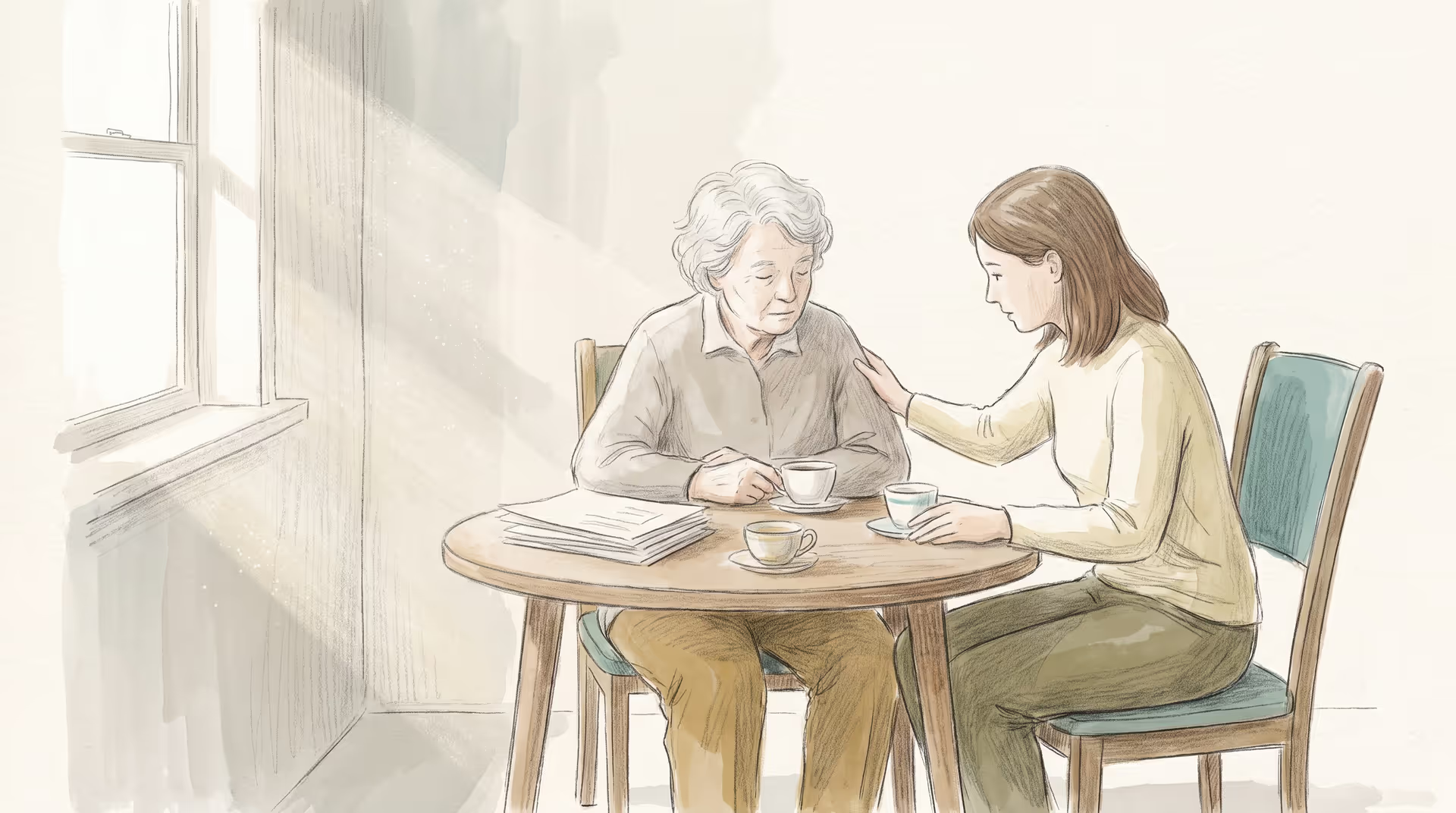
Becoming a caregiver overnight can feel overwhelming. You may be juggling medical tasks, paperwork, family questions and your own work. Take a breath. There are practical steps you can take right now to bring order and protect your health — and your loved one’s. This guide walks you through the first things to do and where to find help.
Take stock of immediate needs
Start with what matters today.
- Is your loved one medically stable? If they just left the hospital, contact the discharge planner or social worker before they go. They can arrange home health services, equipment and follow-up care.
- Do they have a primary care provider where you live? If not, make an appointment. A doctor can order home health, physical therapy (PT) or occupational therapy (OT) when needed.
- Are there safety risks at home? Look for trip hazards, poor lighting, loose rugs and anything that could cause a fall.
Act on the urgent issues first. Getting short-term support and a medical visit can prevent bigger problems later.
Gather the important paperwork
A single folder or digital folder will save you time and stress.
- Medical: doctors, medication list, diagnoses, recent hospital or rehab discharge papers.
- Legal: power of attorney (medical and durable), advance directive, wills.
- Financial: bank accounts, insurance cards, Social Security info, Medicare/Medicaid paperwork.
- Contact list: doctors, pharmacy, emergency contacts, family members, and any home-care providers.
Keep one easy-to-reach copy in the home and another digital copy you can access from your phone.
Make a simple care plan and daily routine
A written plan helps everyone stay on the same page.
- List daily tasks: medications, meals, bathing, mobility help, appointments.
- Note routines and preferences the person likes. Small details reduce friction.
- Track medications: name, dose, time, who gives them, and any side effects.
Share this plan with family or hired caregivers. A short, clear schedule reduces confusion and helps you delegate.
Know the key phone numbers and agencies
You don’t have to figure everything out alone.
- Call 211 or your Area Agency on Aging. They do free needs assessments and connect you to local services like meal delivery, transportation, respite and caregiver programs.
- If your loved one recently left a hospital, speak with the discharge planner or social worker. They can arrange ordered home health, durable medical equipment, and other services.
- For diagnosis-specific help (Alzheimer’s, Parkinson’s, stroke), national organizations have hotlines and local chapters that provide guidance and support.
These agencies point you to services you might not find on your own.
Understand basic insurance options
Medicare, Medicaid and private insurance work differently.
- Medicare is age- and disability-based. It may cover home health if ordered by a doctor and if certain rules are met.
- Medicaid eligibility depends on income and state rules. It can cover long-term services in some situations but varies widely by state.
If you think Medicaid might apply, start the paperwork early. Many programs have income limits and waitlists.
Get training and professional support for hands-on care
Moving and bathing someone safely is physical work. You don’t need to guess.
- Ask for training. Nurses, PTs and OTs can teach safe transfers, showering techniques and equipment use.
- Use gait belts, transfer boards or a Hoyer lift if recommended. These tools protect you and the person you care for.
- Hire help when you need it. Agencies offer caregivers for a few hours a day up to 24-hour care. Respite care gives you a break so you don’t burn out.
Many caregivers wait too long to get paid help. Hiring a few hours earlier often makes your role sustainable.
Communicate with family and your employer
Set clear expectations and ask for help.
- Tell family what you need. Assign specific tasks, like running errands, handling bills, or sitting with your loved one for an hour.
- Talk to your employer. Explain that you have caregiving duties. Your workplace may offer flexible options or point you to an Employee Assistance Program (EAP).
- Learn about leave rights. In some cases, the Family and Medical Leave Act (FMLA) may apply and allow job-protected unpaid leave.
Open, specific requests make it easier for others to support you.
Protect your own health
You can’t do this if you collapse from stress or injury.
- Schedule short, regular breaks. Even 10–15 minutes to step outside or breathe quietly helps.
- Keep basic self-care: sleep, healthy food, and some movement. Short walks or a few minutes of stretching count.
- Watch for signs of burnout: chronic fatigue, irritability, trouble sleeping, or worsening health. If you see these, ask for more help.
Support groups — online or local — can give emotional relief and practical tips. Reddit caregiver communities and national organizations can be places to ask questions and feel understood.
Make the home safer and more comfortable
Small changes can reduce risk and increase independence.
- Improve lighting in hallways and stairways.
- Remove loose rugs or tape them down.
- Add grab bars in bathrooms and railings where needed.
- Consider raised toilet seats, shower chairs or bed rails if recommended by a clinician.
Ask an OT for a home safety assessment if you can. They will suggest the best changes for your specific needs.
Plan for the weeks ahead
Caregiving often changes over time. Think ahead.
- Schedule follow-up medical visits and PT/OT as ordered.
- Revisit finances and benefits. Contact Social Security or the Area Agency on Aging for guidance.
- Discuss long-term care wishes with your loved one if possible. Talk about preferences, goals and what they want if their needs increase.
Planning reduces crisis decisions and keeps you aligned with your loved one’s wishes.
You do not have to do this alone
Becoming a caregiver suddenly is hard. But there are real people and programs that can help you. Start by getting medical guidance, gathering the key documents, calling local aging services or 211, and asking for hands-on support and training. Protect your health and ask for a break when you need one.
If you’re feeling unsure where to begin, a single phone call to your local Area Agency on Aging or 211 will connect you to services in your area and help you take the next step.
