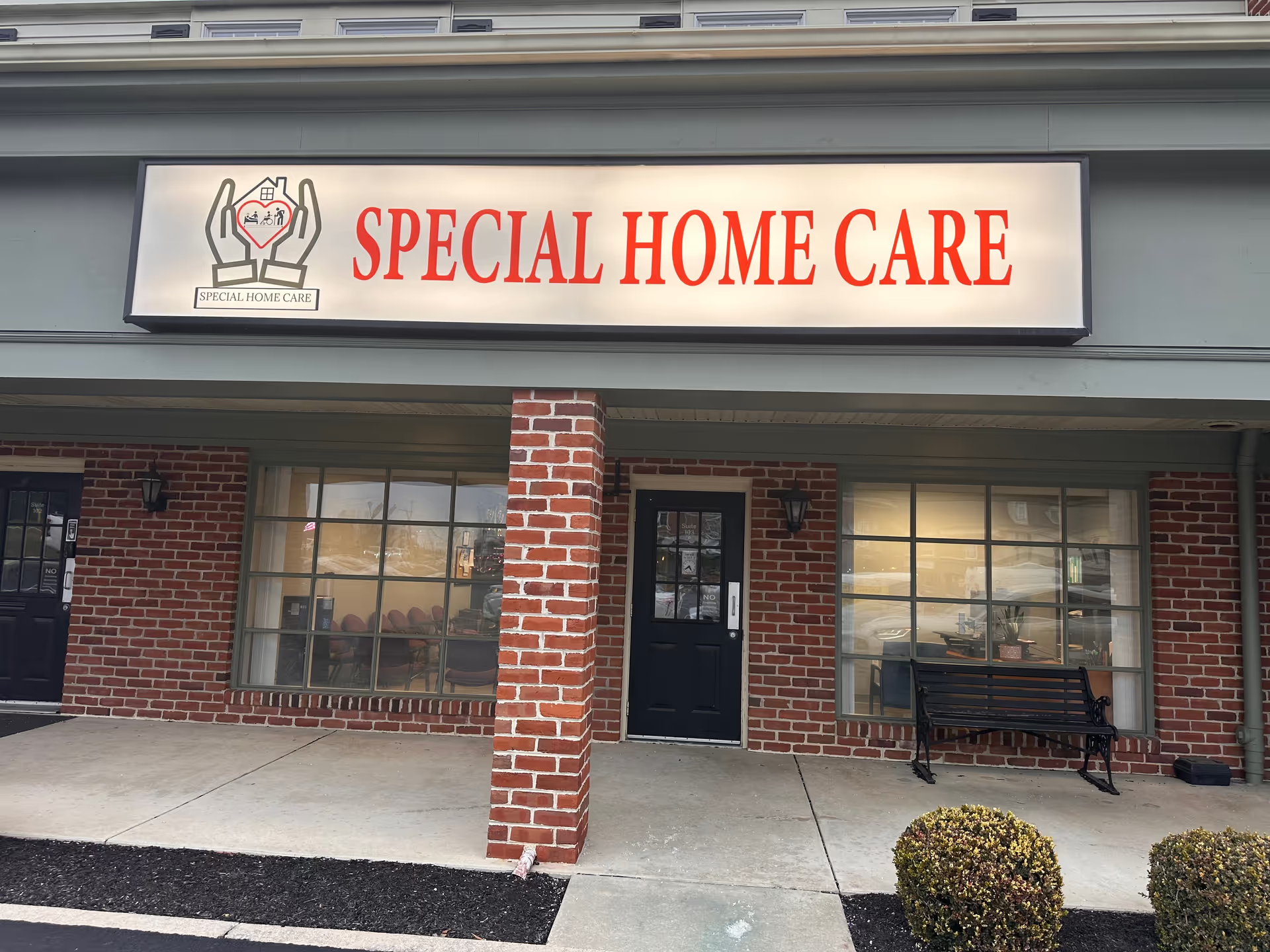
Reviews describe a mixed but coherent pattern of strengths and operational weaknesses. On the positive side, many families emphasize the agency's caring orientation: caregivers are frequently described as compassionate, polite, and able to form enduring relationships with clients. Reviewers also praise the office for being responsive and available, with staff characterized as attentive and well informed. Several reviewers specifically noted good caregiver-client matching and scheduling flexibility, and a number of comments express high overall satisfaction and recommendations for the agency.
Caregiver quality appears polarized: while numerous accounts highlight warm, personalized care and accommodating aides, other comments raise concerns about caregiver attentiveness and conduct during shifts. These concerns are operational in nature (for example, inconsistent on-shift behavior and limited adherence to expected attention standards) rather than clinical allegations. The contrast suggests variability in individual caregiver performance and uneven enforcement of conduct expectations.
Reliability and scheduling show a similar split. Positive feedback includes accommodating scheduling and willingness to match care to client needs, but several reviewers report inconsistent caregiver assignments and unreliable shift coverage. High turnover and gaps in backup staffing are cited as contributors to that inconsistency. Prospective clients should expect that scheduling flexibility and responsiveness from the office may coexist with periodic assignment changes or coverage challenges.
Office communication and value perceptions are generally favorable. Families describe the office as responsive, available, and polite, which contributes to positive impressions of value even where operational issues exist. There is little specific feedback about billing practices; the dominant themes relate to service quality and scheduling rather than cost transparency.
Management and oversight emerge as the area with the clearest concerns. Comments referencing uncaring supervision and poor staffing management point to weaknesses in supervisory follow-through and workforce stability. These management-level issues likely amplify variability in caregiver performance and shift reliability.
Notable patterns: the overall picture is one of contrast — many clients experience compassionate, personalized service and strong relationships with particular caregivers, while others encounter inconsistency tied to turnover, coverage, and conduct oversight. Families considering this agency would be well served to ask about current caregiver turnover rates, backup staffing procedures, geographic coverage for their address, and how the office enforces on-shift conduct and supervisor follow-up. Mentioned staff members received positive name-based recognition, which indicates that individual caregiver quality can be a strong determinant of the client experience.