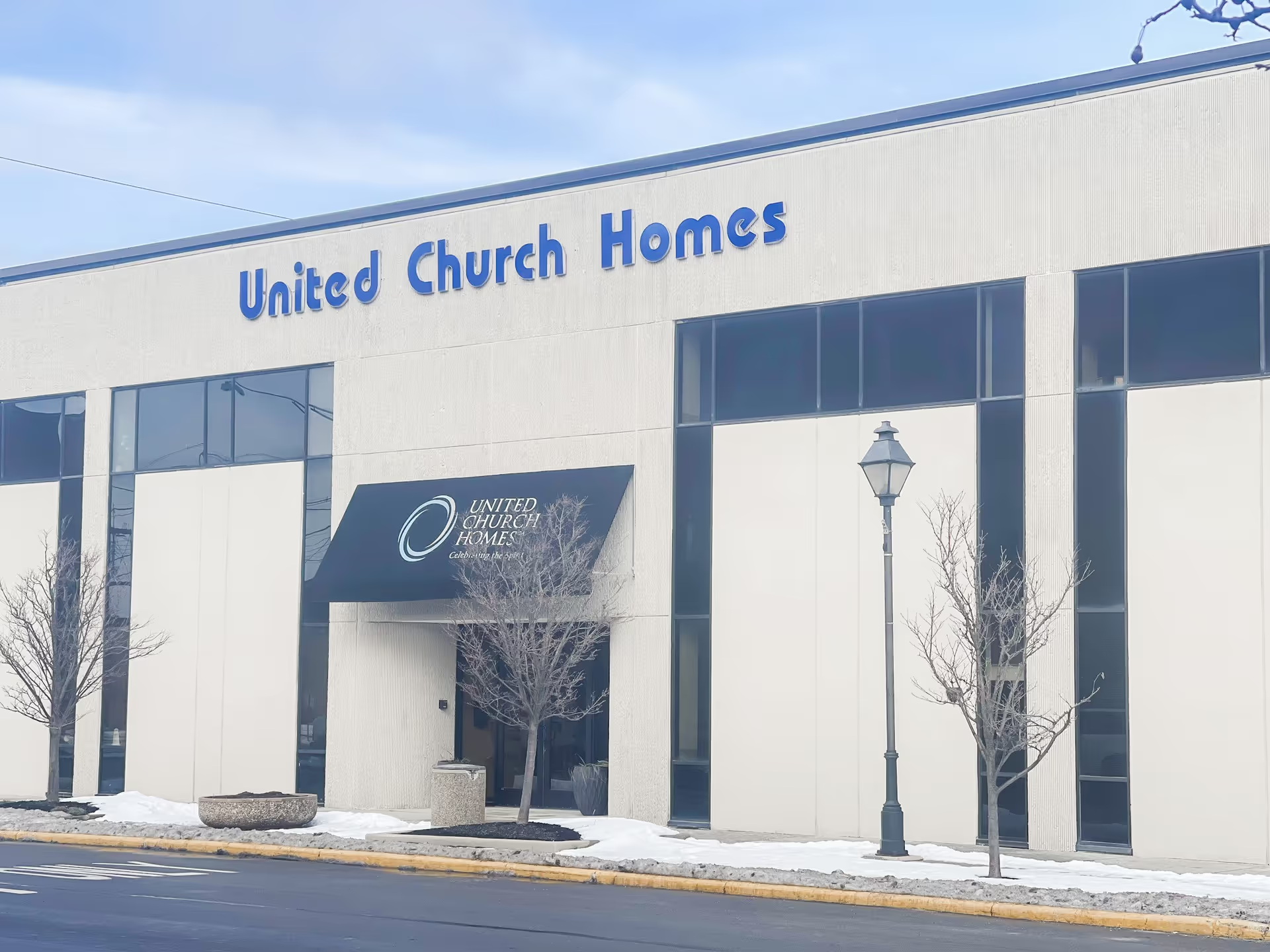
Overall impression: Reviews reflect a split between clinical strengths and administrative weaknesses. Many families praised the agency's direct-care teams — nurses, therapists, and individual caregivers — for professionalism, clinical skill, and compassionate attention that contributed to positive rehabilitation outcomes and a sense of peace of mind. At the same time, a recurring set of operational and customer-service issues diminished some clients' experiences.
Caregiver quality: Numerous comments describe caregivers as kind, engaged, and competent; several specific references cite skilled RNs and PT teams and caregivers who provided strong advocacy and follow-through. Clinical coordination and therapy services appear to be a relative strength, with some families requesting the same therapists/RNs again and noting measurable post-surgery improvements. That said, other reviewers raised concerns about caregiver conduct and responsiveness in isolated cases, and a pattern of frequent staff turnover has undermined continuity for some clients.
Communication and office performance: A consistent theme is inconsistent communication from the office. Reviewers noted late or untimely confirmations, missed updates, and difficulty reaching scheduling staff. Front-office tone and professionalism were also criticized in multiple accounts — described as abrupt, loud, or unhelpful — which affected families' confidence in the administrative side of care. These communication gaps appear to contribute to downstream problems with scheduling and shift reliability.
Reliability and scheduling: Several reviews reference frequent schedule changes, staff substitutions without advance notice, and a lack of recurring appointment options. These issues create uncertainty for families who need predictable coverage. There are also reports of early or poorly managed discharges/transitions, suggesting gaps in discharge planning or in coordination between clinical and administrative teams.
Value, billing, and management: Many families who experienced the agency's clinical teams felt the care delivered good value and trusted the nursing/therapy staff. Conversely, concerns about customer-service accessibility, front-office professionalism, and some unclear administrative/payment practices lowered perceived value for other clients. The agency's broad service area and regional support teams received positive mention, indicating organizational capacity, but administrative execution appears uneven across locations.
Notable patterns and guidance for prospective clients: The reviews suggest AccentCare delivers strong clinical capability through nurses and therapists and can provide compassionate, effective in-home care. However, operational reliability and front-office responsiveness are areas to clarify before contracting. Prospective clients should ask about caregiver continuity, confirmation procedures, options for recurring visits, how schedule changes are handled, discharge-planning protocols, and any payment or administrative policies that could affect service delivery. Confirming a primary point of contact and requesting references for continuity and communication can help align expectations with actual service experience.