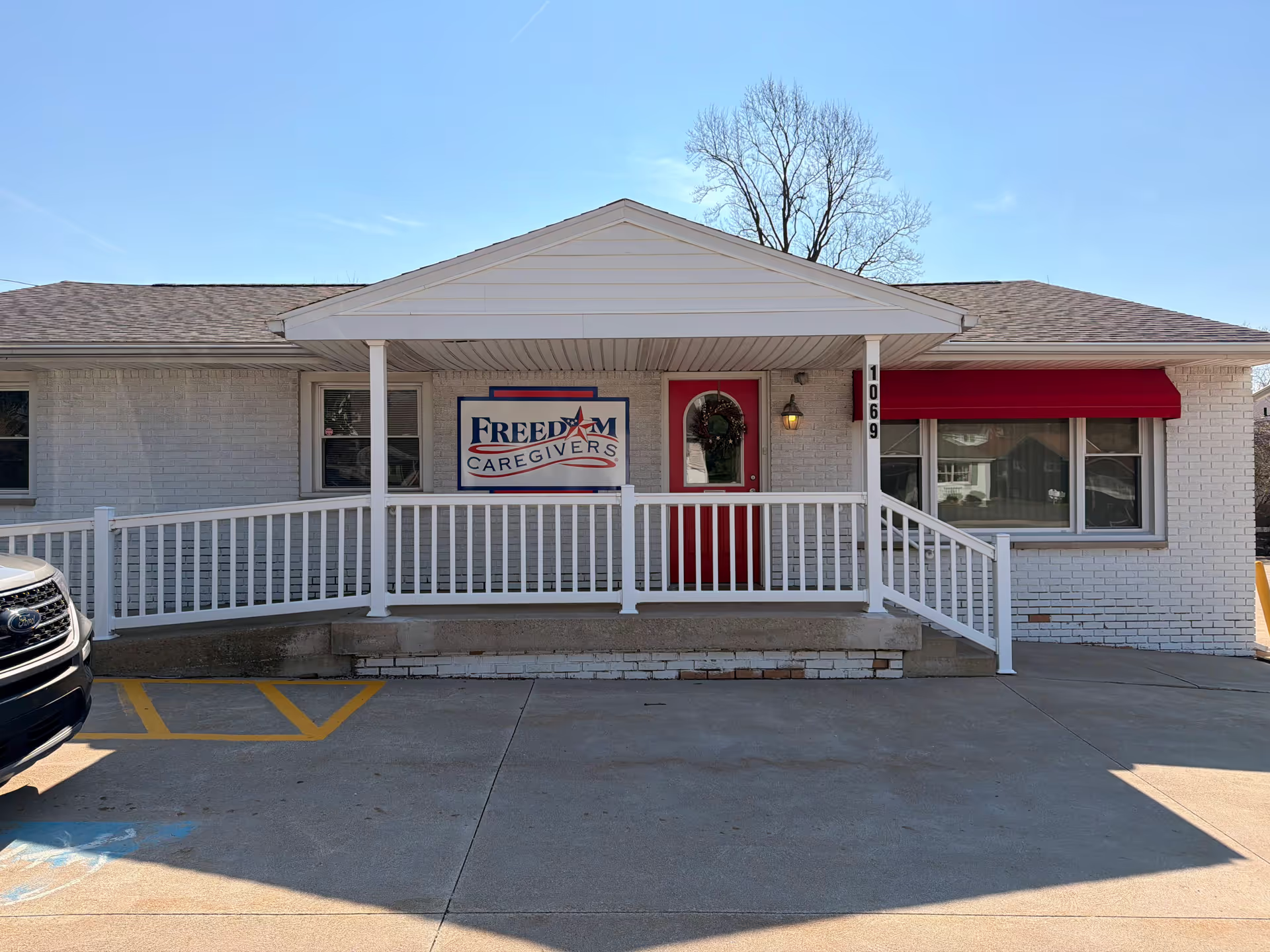
Overall impression: The reviews present a mixed picture. Families and clients praised certain clinical strengths and individual staff members, while also describing recurring operational weaknesses that affect day-to-day reliability and confidence in care. Positive feedback centers on skilled services, compassionate caregivers, and a responsive local office presence; critical feedback emphasizes scheduling, communication, training, and billing issues.
Caregiver quality: Several reviewers described caregivers who were knowledgeable, attentive, and compassionate, and noted occasions when office leadership provided strong support. At the same time, other accounts indicate uneven caregiver performance: some aides appeared undertrained or lacked consistent professionalism. Where issues arose, respondents sometimes experienced quick replacements that improved the situation, suggesting the agency can provide competent staff but struggles to maintain consistent quality across all assignments.
Communication, reliability, and scheduling: A prominent pattern is unreliable shift coverage, including last-minute no-shows and inconsistent caregiver assignments, which undermines continuity of care. Office communication and responsiveness were also frequently cited as weak points — families reported difficulty getting timely answers and experienced poor coordination around scheduling changes. These operational gaps increase the burden on families managing care logistics.
Screening, training, and caregiver conduct: Reviews raise concerns about the agency's screening and oversight practices (for example, limited pre-employment checks) and the adequacy of ongoing training. Some reports described lapses in caregiver conduct within the home and personal-care hygiene concerns; other reviewers contrasted those issues with individual caregivers who were professional and effective. Taken together, the pattern suggests room for stronger supervision, standardized training, and clearer behavioral expectations for staff.
Billing and value: Billing accuracy and invoicing were cited as problematic in a subset of reviews, including at least one specific billing error. These issues, combined with perceived instability in staffing, led some families to question overall value and consistency, even when they were satisfied with particular caregivers.
Management and notable patterns: The agency appears capable of providing excellent, family-centered care under certain managers or in certain local offices, but systemic operational weaknesses — inconsistent assignments, communication gaps, screening and training shortfalls, and billing errors — recur across accounts. Prospective clients should weigh the positive reports of skilled, compassionate caregivers and responsive local staff against the risk of scheduling disruption and administrative friction. If considering this provider, ask written questions about caregiver screening and training, shift-backup procedures, communication protocols, and billing reconciliation practices to help address the patterns identified in these reviews.