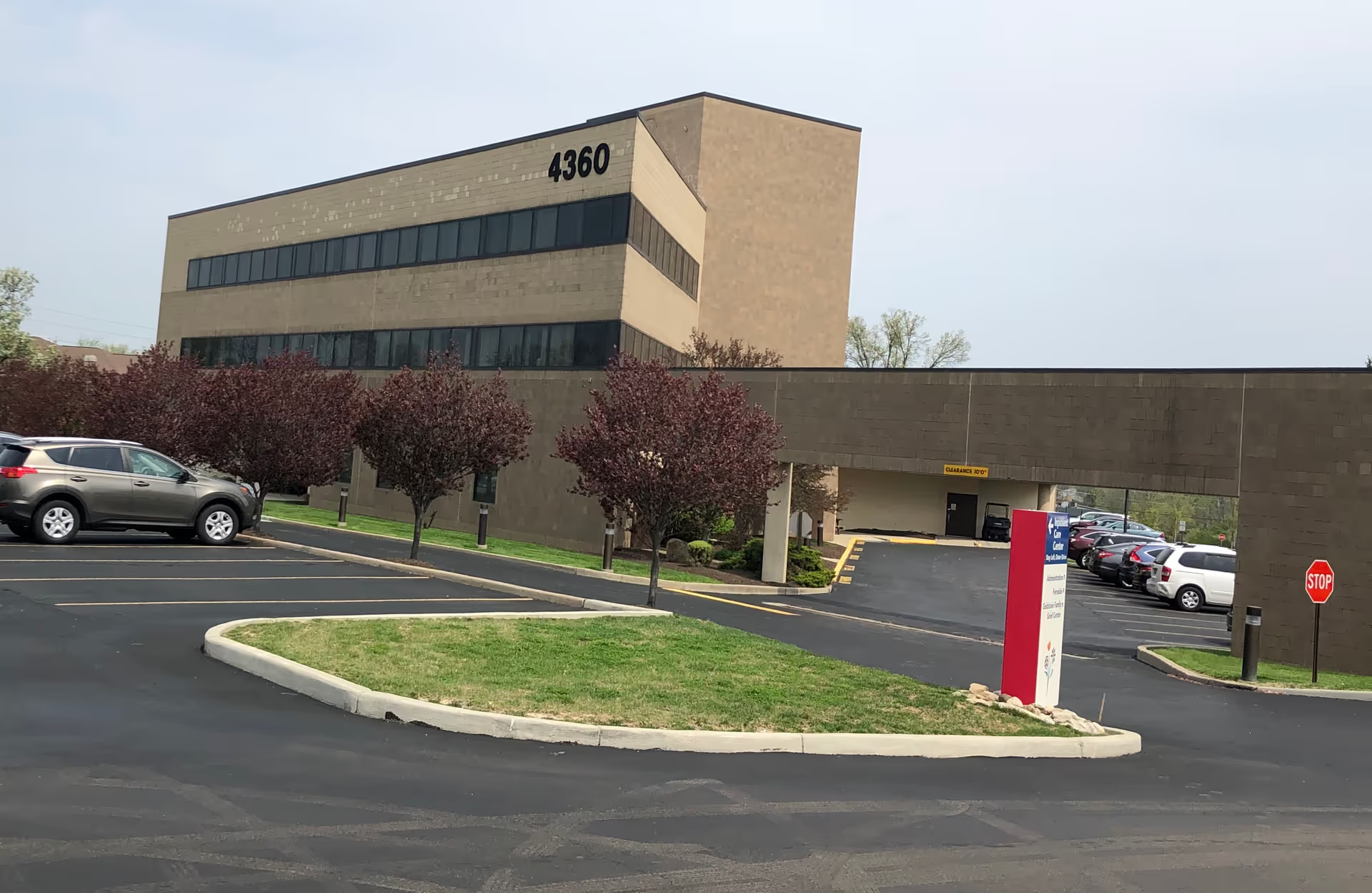
Care Connection Home Health Care (Amedisys) shows a clear pattern of strong clinical performance at the point of care alongside recurring administrative and coordination weaknesses. Across reviews, caregivers, nurses, and therapists are frequently described as skilled, compassionate, and effective. Families commonly note measurable therapy progress (improved mobility, hip motion, safety in transfers), thoughtful home-exercise instruction, and clinicians who communicate directly with family members and advocate for patient needs. Named staff received consistent praise for bedside manner and competence, creating reassurance for many families during care episodes.
Contrasting with clinical strengths, administrative and operational issues recur. Multiple reviewers describe poor office responsiveness, unanswered callbacks, and front-desk disorganization. Billing and invoice processing delays are a repeated concern, as are difficulties obtaining clear visit windows or ETAs. These issues manifest as late or unpredictable scheduling, frequent changes in assigned caregivers, and gaps in follow-up after initial evaluations—particularly in some occupational-therapy follow-through and care-plan communications. The aggregate impression is of solid in-home clinical delivery hampered by inconsistent agency-level coordination.
Reliability and scheduling are mixed. Several clients praised punctual, flexible visits and convenient home-based services; others experienced frequent nurse rotations, scheduling confusion, and what they characterized as a 'scheduling nightmare.' This suggests variability by case or local office rather than a uniform experience. Families who prioritize clinical skill and personalized caregiver relationships are likely to be satisfied, but should confirm scheduling details and assignment continuity in advance.
Value and billing considerations merit attention. While clinical outcomes and therapist-led progress were often characterized as worthwhile, billing transparency and timeliness were problem areas. Prospective clients should ask about invoicing practices, insurance coordination, and who to contact for billing questions to avoid delays and confusion.
Management and escalation pathways also appear inconsistent. A few reviews described unsatisfactory responses from clinical managers or evaluators whose communication felt condescending; conversely, other reviewers noted attentive nurse managers who worked closely with families. There is an isolated mention of alleged involvement of adult protective services in one case; this stands apart from the general pattern but is notable and would warrant direct discussion with agency leadership if encountered.
Overall, the agency’s clinical staff—caregivers, nurses, and therapists—are a clear strength, delivering compassionate, effective in-home care. The primary areas for improvement are administrative responsiveness, billing processes, scheduling transparency, and consistent care coordination. Families considering this provider should weigh the high quality of bedside care against the likelihood of needing to actively manage administrative and scheduling details, and should seek clarity on billing and visit-window expectations up front.