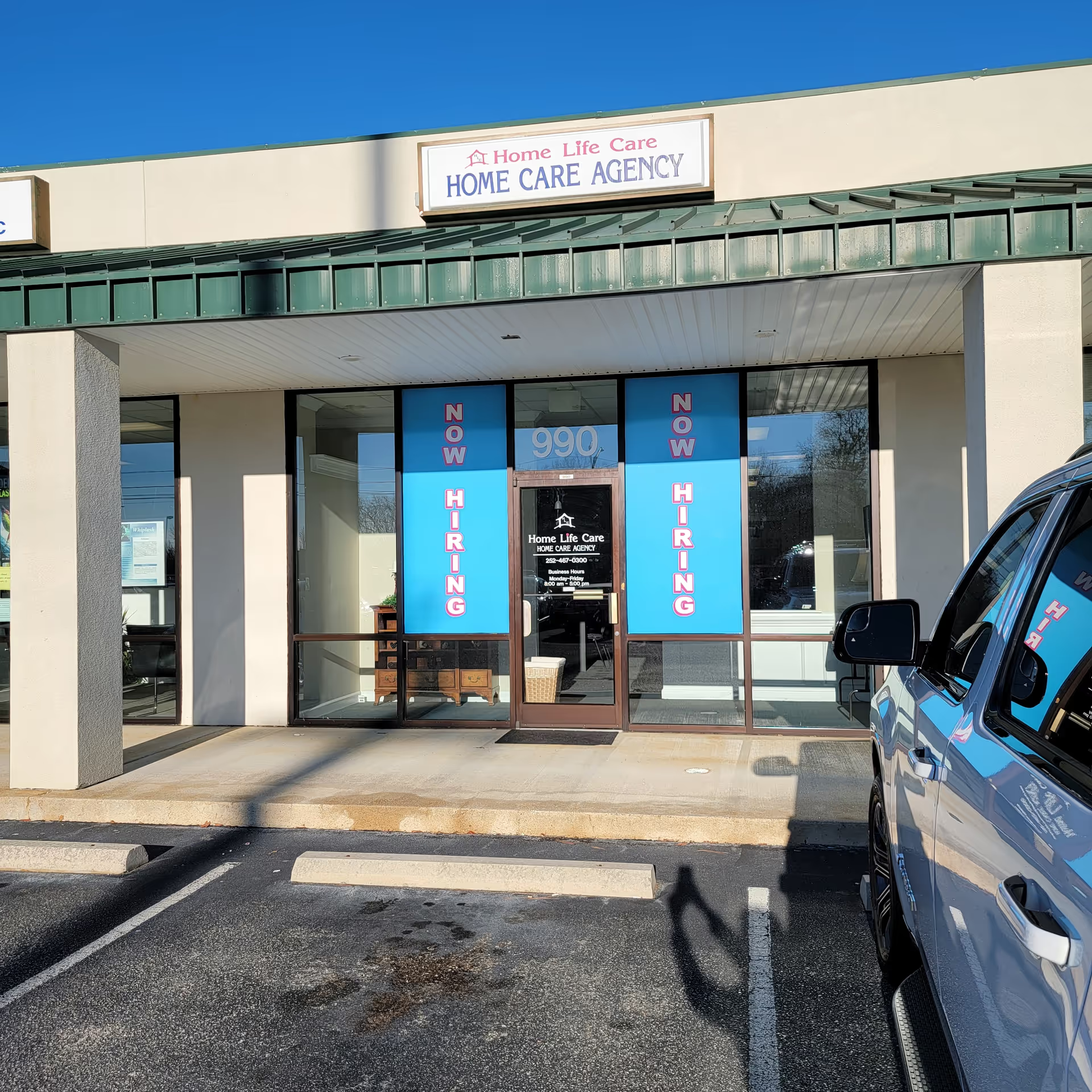
Reviews present a mixed picture: clinical and front-line care often receives strong praise, while administrative and hospice-related functions appear to be the main source of concern.
Caregiver quality is a clear strength in many comments. Reviewers highlight knowledgeable therapists, attentive mobility and transfer support, and compassionate, gentle bedside manner. Families noted individualized attention and professional skills that helped with transfers and walking and that facilitated transitions to outpatient care. Positive interactions with specific care coordinators were also mentioned, indicating that individual staff members can provide effective, supportive management of a case.
Office communication and reliability are the most frequent operational concerns. Several families described difficulty reaching the office by phone, a preference for text-first exchanges, and last-minute or late communications about visits. These patterns have contributed to distress when clinical staff were late or absent. Relatedly, reviewers cited lapses in nurse attendance and shift coverage, which point to broader scheduling and staffing reliability issues rather than isolated incidents.
Supply management and end-of-life coordination emerged as distinct weaknesses. There are accounts of limited provisioning of wound-care supplies, which affected perceived value and continuity of care. In addition, some families expressed concerns about the agency’s ability to manage hospice and end-of-life needs in a way that met expectations; these comments suggest gaps in specialized palliative coordination and communication during emotionally sensitive periods.
Overall, prospective clients should weigh the agency’s demonstrated strengths in front-line clinical care and individual coordinators against recurrent administrative and operational weaknesses. If clinical therapy and compassionate direct care are the primary need, the agency may deliver good outcomes. If reliable office communication, consistent shift coverage, robust supply management, or specialized hospice coordination are priorities, families should confirm those capabilities and escalation pathways before engaging services.