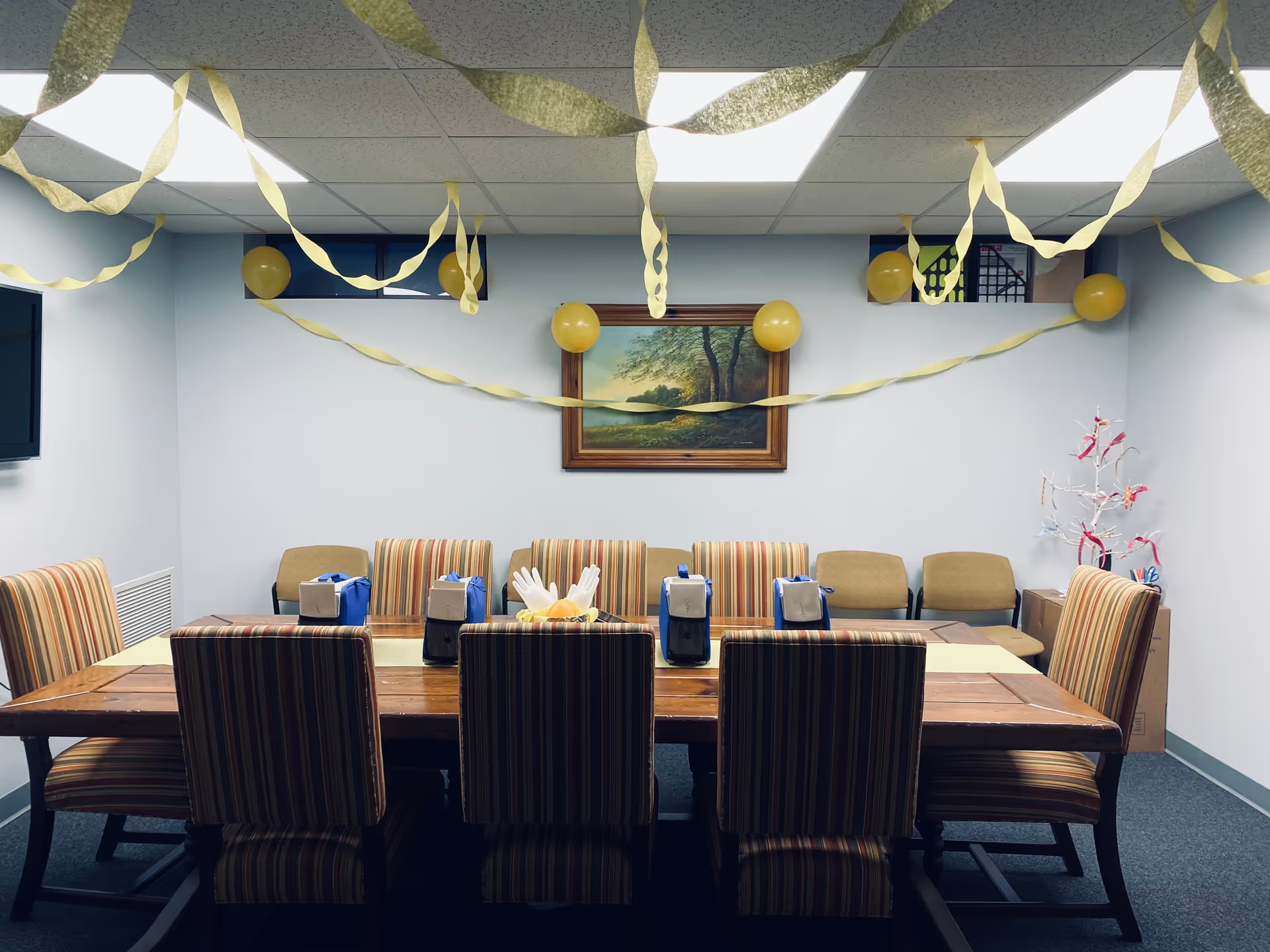
The reviews reflect a facility with clear clinical and programmatic strengths alongside operational and management challenges. Positive comments consistently highlight compassionate direct-care staff, an effective therapy department (PT/OT) and rehabilitation outcomes, and an activity program led by an engaged activity director that supports resident engagement and family events. Many families also described a clean environment, generally favorable dining, and individual staff members in admissions, nursing, and CNA roles who were professional and supportive.
Caregiver quality appears mixed but often strong: multiple families praised attentive, kind CNAs, nurses, and therapists who delivered patient-centered care and produced positive rehab results. At the same time, other accounts indicate variability in caregiver conduct and attentiveness; some families experienced staff who were less engaged or inconsistent in task completion. This suggests that while clinical staff and therapy teams can perform at a high level, consistency across all shifts and caregivers is uneven.
Communication and reliability are areas of concern. While some reviewers praised clear, compassionate interactions from particular staff members or departments, a number of families described delayed responses to call buttons and care requests, long telephone wait times, and failures to notify families about incidents such as falls. These communication lapses point to inconsistent incident-notification practices and front-office responsiveness.
Staffing and scheduling weaknesses are a recurrent operational theme. Reviewers cited understaffing—notably on weekends—delayed personal-care routines (baths and toileting assistance), long call-response intervals, and instances of no-shows or unreliable shift coverage. These patterns appear to affect daily reliability and the timeliness of routine personal-care and medication administration.
Clinical coordination and administrative operations also draw mixed feedback. Several families reported concerns about medication timing, wound-care follow-up, and rehospitalization needs that they attributed to gaps in clinical oversight. Administrative issues were raised around billing transparency, disputed charges, and refund handling, which created additional stress for some families. Equipment and supply problems were mentioned as contributing to care delays in specific cases.
Taken together, the notable pattern is a contrast between strong therapeutic, activity, and individualized-care capabilities and persistent operational challenges related to staffing, responsiveness, and administrative consistency. Prospective families should weigh the facility's demonstrated strengths in rehabilitation, activities, and individual staff professionalism against the potential for variability in day-to-day responsiveness and billing practices. Practical steps before admission include asking about weekend staffing levels, call-button response protocols, incident-notification policies, care-plan and wound-care oversight, and written billing/refund policies to align expectations with the facility's performance patterns.