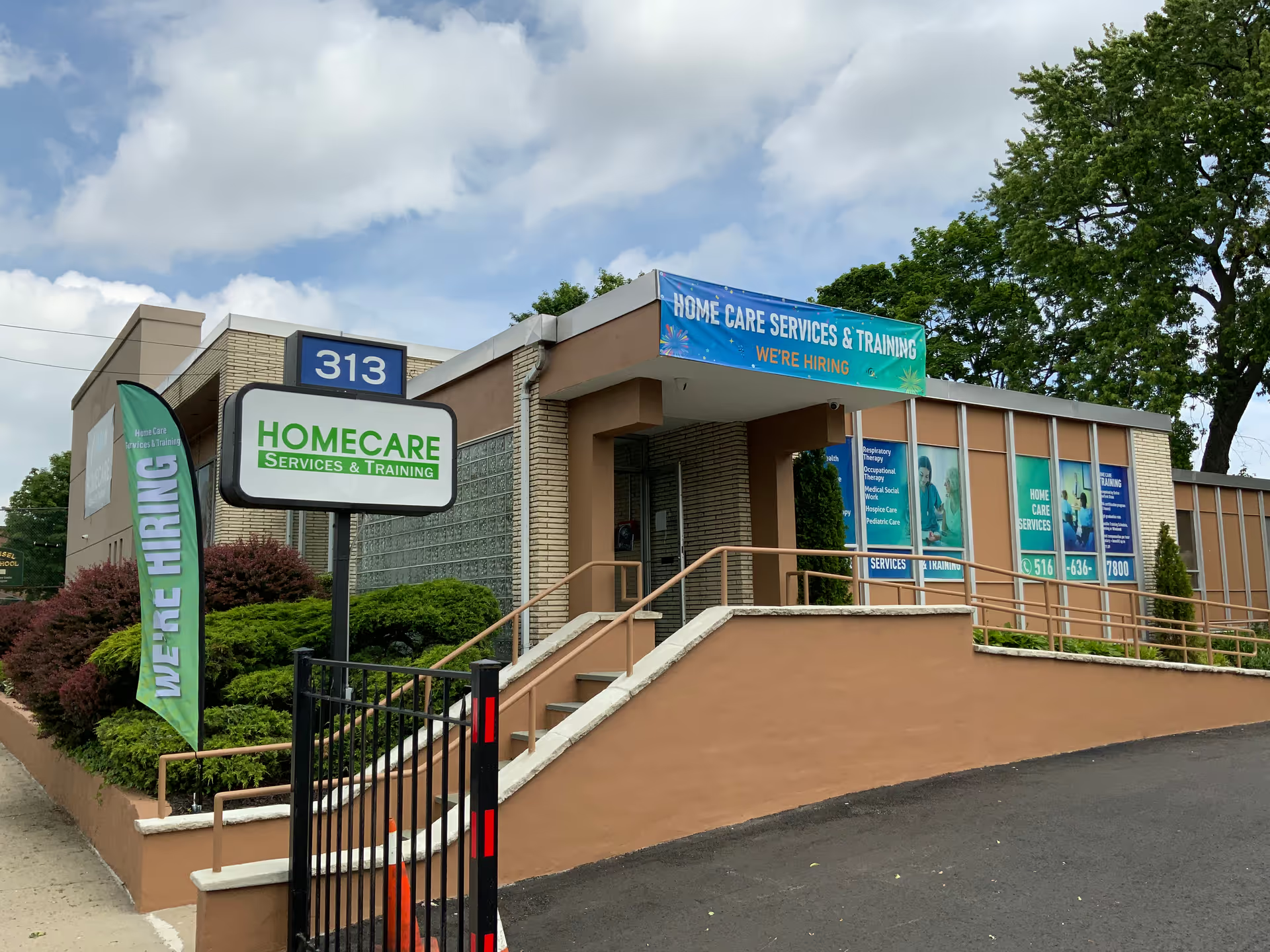
Caregiver quality: Review content consistently emphasizes strengths in frontline care. Caregivers are described as compassionate, kind, and attentive, with emphasis on respectful treatment, companionship, and engagement in daily activities. Punctuality and a professional demeanor are recurring themes; families note aides who arrive on time and provide comforting, family-like support. Overall, the caregiving workforce appears dependable and oriented toward personalized, respectful support.
Communication and reliability: The agency presents as generally responsive and flexible. Multiple notes point to clear communication between caregivers and families, prompt arrangements for services, and willingness to accommodate specific requests and short-notice shifts. At the same time, there are indications of occasional delays in office response or slower administrative communication, which can complicate follow-up or resolution of billing and insurance questions. Shift coverage is portrayed as reliable in practice, though families would benefit from consistently prompt office-level follow-through.
Scheduling flexibility and value: Scheduling flexibility is a clear positive—staff are described as open to changes and effective at arranging care quickly. This responsiveness contributes to perceived peace of mind and value for families who need adaptable support. The combination of dependable aides and the ability to arrange last-minute coverage is a practical strength for households with changing needs.
Billing, insurance, and management practices: Financial and administrative handling is the principal area of concern. There are instances indicating problems with deposit refunds and with processing or receiving Medicare-related payments. These point to weaknesses in deposit-handling procedures and insurance-billing workflows rather than frontline caregiving. Management otherwise presents as professional and compassionate, and staff are regarded as helpful and trustworthy, but prospective clients should clarify billing, deposit, and insurance procedures in writing before service begins.
Notable patterns and recommendations: The overall pattern is of a caregiving organization that delivers strong, person-centered home care through courteous, punctual aides and flexible scheduling. Operationally, families should anticipate asking specific questions about deposits, refund policies, and how Medicare payments will be handled; they should also identify preferred communication channels for faster administrative responses. Verifying those policies up front will help align expectations with the agency's caregiving strengths while mitigating the documented administrative concerns.