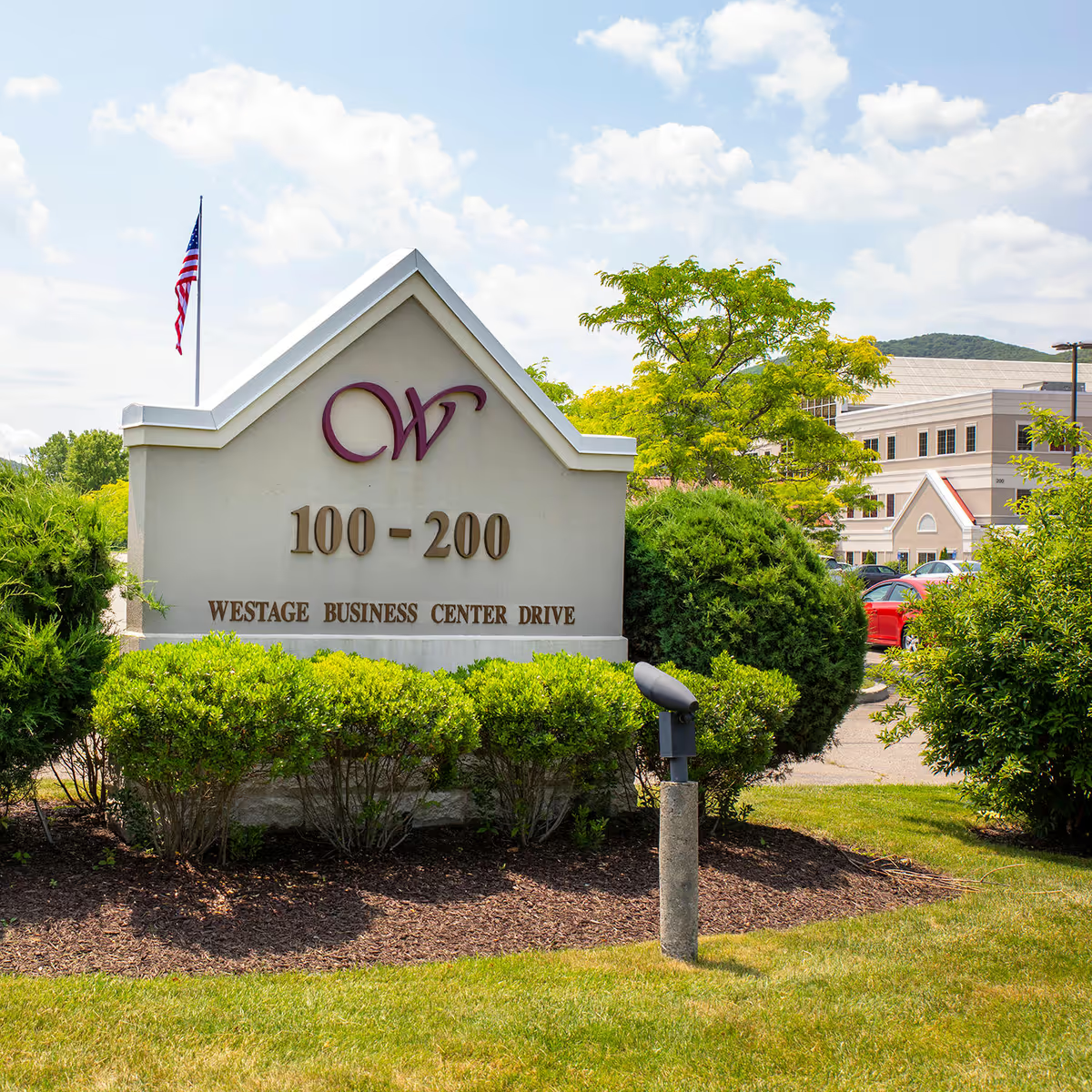
Overall impression: Reviews present a split picture. Many families praise the on-the-ground caregiving team and the facility environment — describing staff as friendly, helpful, and treating residents with a familial approach — and several reviews offer strong recommendations. At the same time, a set of operational concerns appears repeatedly around communication, responsiveness, and follow-through, which can affect reliability of care.
Caregiver quality: The caregiving staff receives consistently positive comments. Reviewers emphasize warmth, attentiveness, and a welcoming atmosphere; a number of comments single out individual caregivers for exceptional service. The facility and grounds are described as attractive and well-maintained, and families frequently describe their relatives as happy with direct care interactions. These comments indicate a generally strong front-line caregiving culture.
Office communication and reliability: The primary negative theme concerns agency-level communication and responsiveness. Reviews describe inconsistent family notifications, unresponsive administrative staff, and delays in care delivery or shift coverage. These indicate gaps in routine family communication and in timely coordination between office staff and caregivers. Where communication breakdowns occur, families reported frustration and a perception of weak management follow-through.
Scheduling, reliability, and oversight: Patterns in the feedback suggest variability in scheduling reliability and care coordination. Specific operational weaknesses implied by reviewers include delayed or missed timely interventions and an uneven approach to incident follow-up. These are best characterized as systemic coordination and oversight issues rather than consistent deficiencies in caregiver compassion or facility upkeep.
Value and management: The agency’s acceptance of Medicaid and its convenient location near Route 9 and hospitals are practical advantages for many families. Positive family endorsements around caregiver quality and the facility environment contribute to perceived value. However, the administrative limitations noted above — limited responsiveness and accountability — may reduce confidence for families who prioritize tight care coordination, rapid communication, or rigorous incident management.
Notable pattern: In summary, the agency appears to deliver strong interpersonal care and an appealing physical environment, with some caregivers singled out for excellence. Prospective clients should weigh these strengths against reported operational weaknesses in administrative communication, timeliness, and care coordination. Families who prioritize personal warmth and facility quality may find this a good fit; those who need highly consistent administrative responsiveness should seek clarification from the agency about communication protocols, emergency response procedures, and oversight practices before committing.