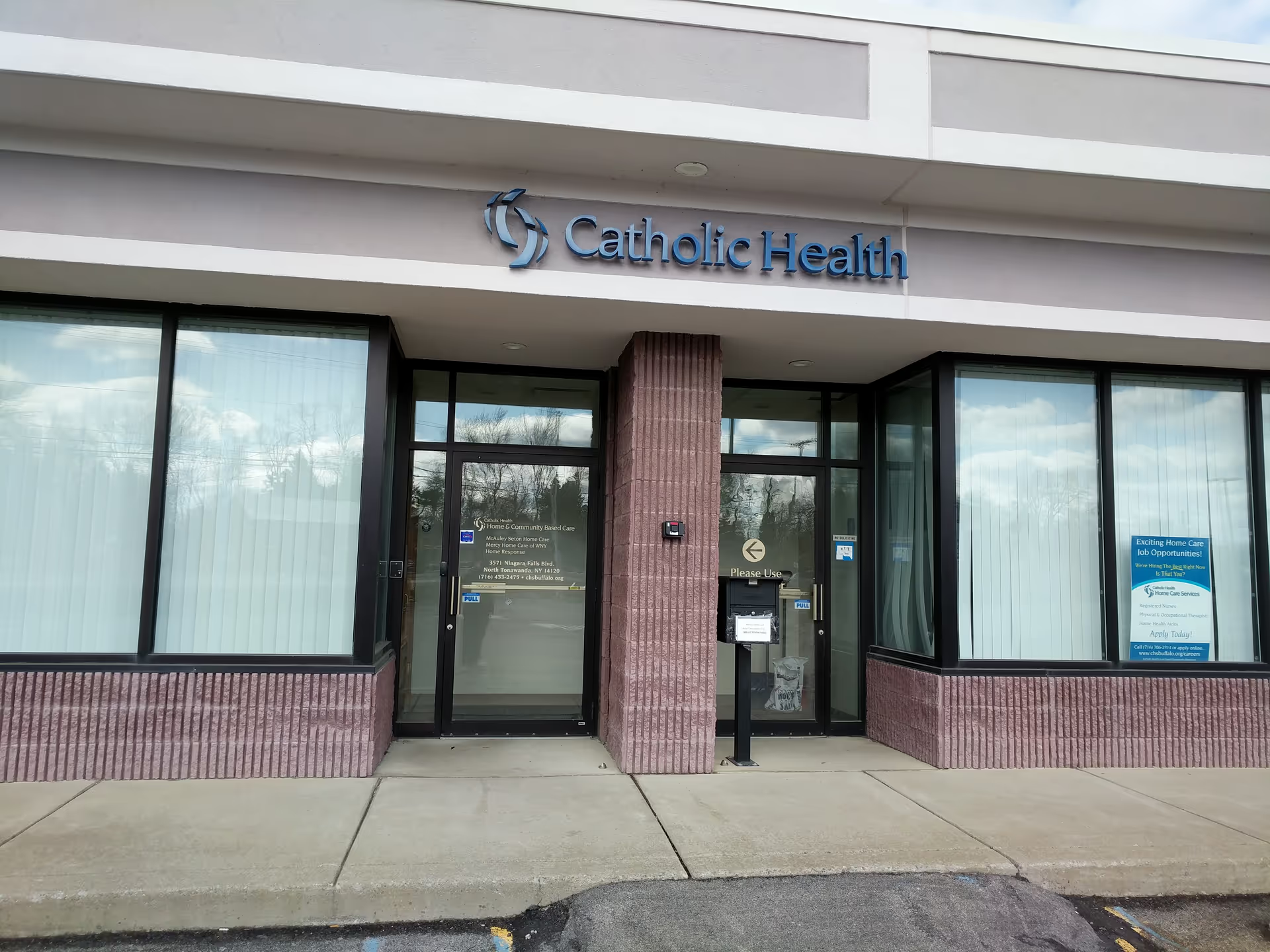
The reviews present a mixed picture in which the agency's front-line caregivers and community-facing elements are frequently praised while several operational and administrative weaknesses recur. Positive comments emphasize compassionate, professional caregivers, a warm, family-like atmosphere, and active volunteer involvement. Multiple reviewers described attentive, friendly aides and helpful office communication; those experiences suggest strength in day-to-day interpersonal care and client-facing responsiveness.
At the same time, a number of reviewers described breakdowns in service delivery and scheduling. Themes include promised aides not being provided, cancellations that affected continuity of care, and variability in staff professionalism. These suggest an underlying inconsistency in caregiver assignments and shift coverage that prospective clients should consider when planning for ongoing or time-sensitive care needs.
Office-level performance is similarly inconsistent. While several reviewers praised clear and timely communication from the office, other accounts point to poor follow-up on grievances, unsatisfactory responses from management, and at least one instance that escalated to a formal complaint. Together these indicate that grievance-resolution processes and managerial follow-through can be uneven across cases.
Billing and insurance coordination emerged as a distinct area of concern. Reviews mention instances of being charged for services not rendered, confusion around cancellations, and problems when insurance authorization changed or was cancelled—situations that disrupted a client's care. These observations point to billing transparency issues and gaps in insurance coordination that can directly affect service continuity and perceived value.
There are also serious individual allegations, including claims of discriminatory conduct; such allegations have prompted formal complaints in at least one instance. While these items appear less common than the operational concerns, they are significant and warrant attention by families and referral sources.
Overall, the pattern is one of strong personal-care capabilities paired with notable administrative and consistency risks. Families considering this agency may benefit from clarifying service guarantees, written scheduling and cancellation policies, billing practices, and the process for addressing grievances before committing to long-term care. Early, frequent check-ins during the initial weeks of service can help identify whether an individual experience aligns with the positive or negative patterns described above.