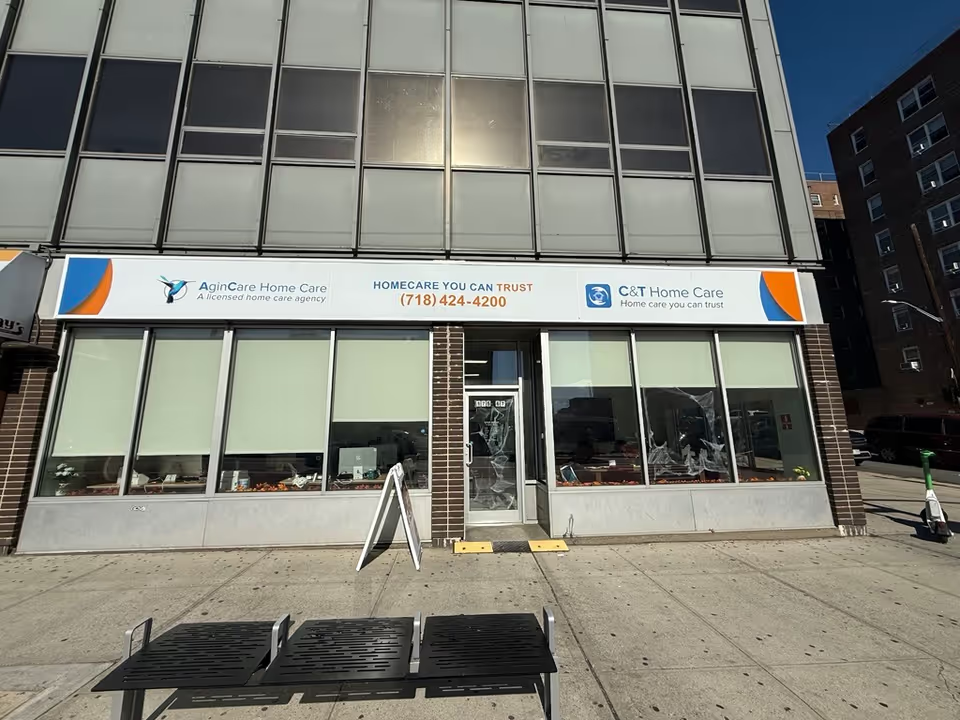
Overall impression: DHCare presents as a largely client-focused in-home care agency with a strong emphasis on compassionate, professional direct care and active family support. A recurrent theme across the feedback is praise for individual caregivers and intake coordinators who provide patient, respectful, and personalized attention. Families frequently cite caregivers who are attentive, punctual, and willing to go beyond basic tasks, and many describe long-term relationships and a family-like approach to care.
Caregiver quality: The dominant pattern is positive: caregivers are characterized as compassionate, knowledgeable, and capable of explaining care steps to families. Several reviews single out specific aides and coordinators by name for exemplary work, suggesting consistent pockets of strong caregiver performance and effective caregiver-client matching. That said, there are isolated accounts indicating variability in caregiver skill or conduct. Those comments point to occasional mismatches in expectations or performance rather than a pervasive quality failure.
Office communication and responsiveness: Communication is an area of mixed performance. Many families praise specific coordinators for fast, clear, and proactive communication, helpful enrollment guidance, and timely problem resolution. Conversely, a number of comments describe difficulty reaching the office by phone (long hold times, confusing transfers), delayed or unresponsive email communication, and occasional inconsistent information. These contrasting patterns indicate that while some points of contact function very effectively, agency-level phone and email accessibility can be uneven.
Reliability and scheduling: Multiple reviewers note reliable shift coverage, flexible scheduling, generous hours, and proactive timesheet reminders, which supports the agency's operational strengths. However, some feedback raises concerns about last-minute scheduling notices, enrollment delays, and occasional lapses that left families waiting. These suggest the need to confirm scheduling protocols and escalation pathways when arranging care.
Billing, paperwork, and management: Positive accounts describe helpful assistance with timesheets, prompt resolution of payment issues, and step-by-step enrollment support (including guidance on the Time4Care app). Still, other comments identify administrative pain points such as paperwork errors, forgetfulness about required forms, and inconsistent handling of enrollment details. There are also isolated operational complaints (for example, incorrect published hours and early office closures) that point to occasional management or procedural lapses rather than systemic regulatory concerns.
Notable patterns and practical takeaways: The agency earns frequent recommendations for its human side — compassionate aides, attentive coordinators, and a willingness to assist beyond clinical tasks. At the same time, prospective clients should be aware of variability in front-office accessibility, communication channels, and administrative consistency. Practical steps for families: confirm primary contact names at intake, request written confirmation of schedules and hours, verify language-support needs in advance, and clarify timesheet and billing processes. These measures will help capitalize on the agency's strong caregiving strengths while mitigating intermittent operational gaps.