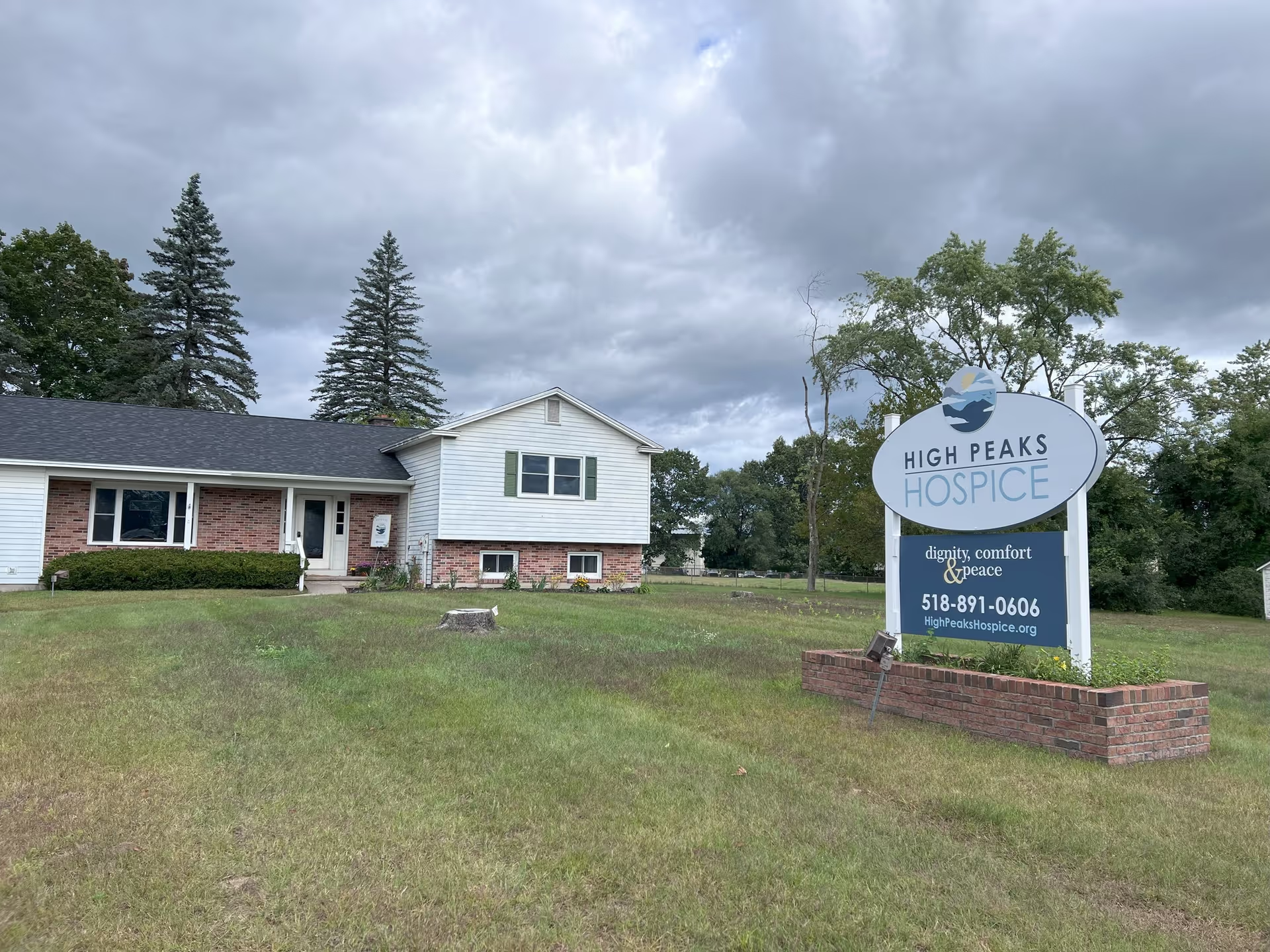
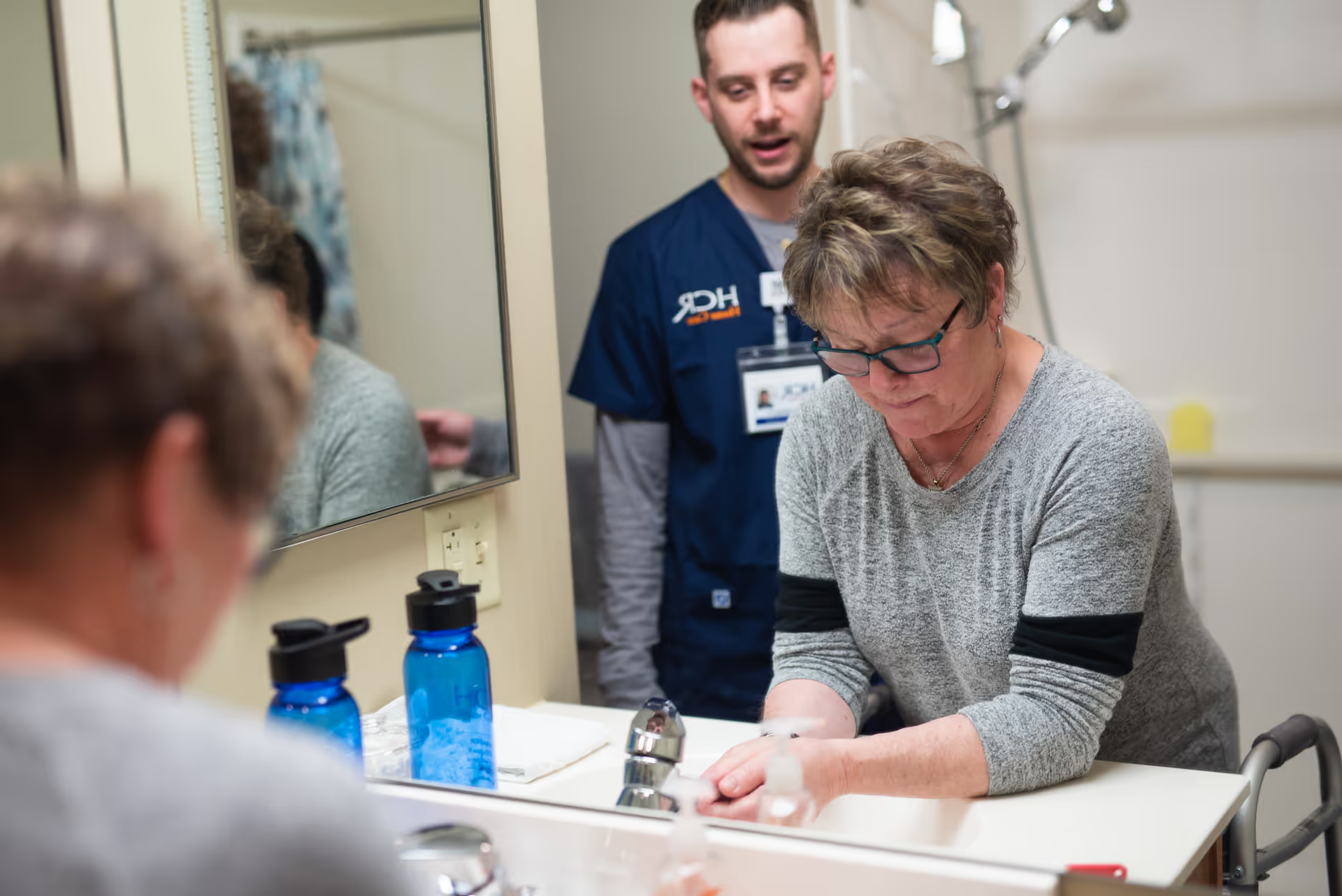
The reviews describe a program with clear strengths in frontline caregiving and on-site services. Caregivers are repeatedly characterized as compassionate, respectful and willing to go beyond baseline expectations, and families describe a warm, family-like atmosphere. The facility environment — including a bright dining area, engaging activities, a clean setting, well-regarded meals, and strong rehabilitation services — is consistently highlighted as adding to residents’ quality of life. Day-stay and respite offerings are perceived positively when available, and the agency appears well integrated in the local community.
At the same time, a cluster of operational weaknesses emerges. Communication from the office to families and between staff members is described as inconsistent, which has manifested as inaccurate information about respite availability, last-minute replacement caregivers, and uncertainty about scheduling. Reviewers also describe short shift hours and inconsistent caregiver assignments; together these point to reliability challenges that can disrupt continuity of care. A separate set of observations raise concerns about clinical oversight during visits and occasional gaps in aides’ basic household-task skills, both of which suggest opportunities for further training and supervision.
There are also occasional reports that translate into broader organizational risks: household-property incident concerns and frequent room changes that confuse clients indicate a need for clearer protocols around client possessions and room assignment procedures. These items appear less about individual caregivers’ intent and more about systems and management practices that influence day-to-day consistency and client comfort.
Overall, the pattern is of an agency that delivers strong, compassionate direct care and engaging programming but would benefit from improvements in office communication, scheduling reliability, staff training, and property/room-assignment protocols. For prospective clients and families, strengths in personal attention, activities, dining, and rehab are important positives; however, ask specific questions about shift continuity, how the agency honors client preferences, how respite availability is confirmed, and what safeguards exist for clinical oversight and client property to assess operational fit.