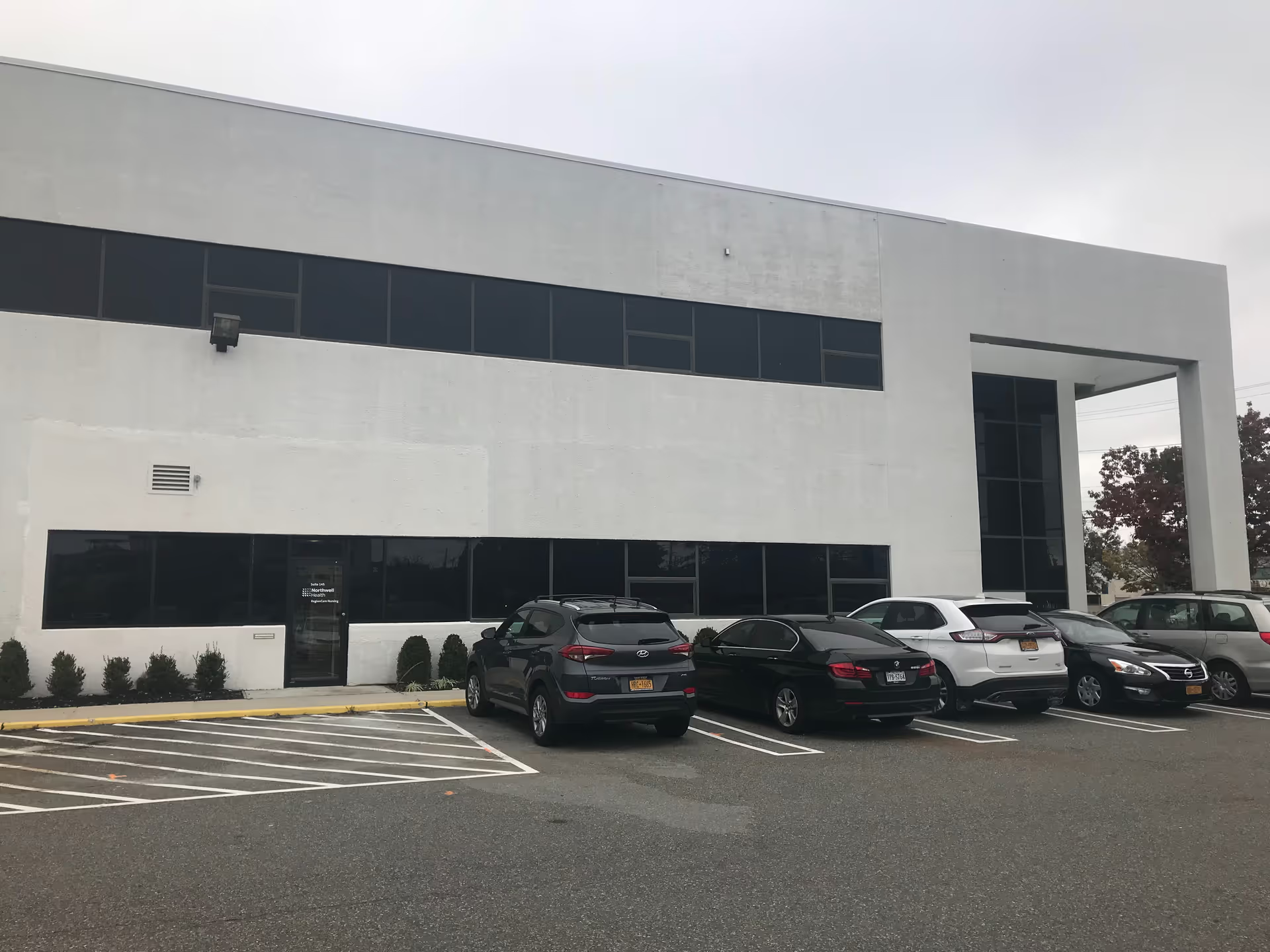
Overall impression: Allegiant Home Care presents as a community-oriented in-home agency that many families find compassionate, professional, and client-focused. Positive comments cluster around strong area leadership, long-tenured certified caregivers, an inviting office environment, and a responsive back office that facilitates coordination with families and other care partners. Several reviewers praised the agency’s onboarding and orientation resources and described personalized care plans that promote client independence and an improved quality of life.
Caregiver quality and conduct: Caregiver performance appears uneven. A substantial portion of feedback describes highly valued, attentive aides who build trusting, family-like relationships and consistently meet client needs. At the same time, there are distinct accounts of conduct and competency concerns that suggest variability in hiring, screening, and ongoing supervision. These include issues framed as caregiver inattentiveness, language-proficiency challenges, and personal-hygiene concerns. There are also isolated but serious claims involving financial interactions between caregivers and clients; those assertions warrant direct inquiry and verification during vetting.
Communication and training: The agency’s back office and many local staff receive praise for responsiveness and clear family updates, which supports care coordination. However, reviewers also identified communication inconsistencies—particularly between clinical trainers, field aides, and families. Training quality appears variable: new-hire orientation and some coaches were described positively, while at least one clinical trainer was described as unhelpful and discourteous. Prospective clients should ask about standardized training curricula, trainer qualifications, and escalation pathways for unresolved clinical or scheduling issues.
Reliability and safety: Reliability of shift coverage is a mixed area. Multiple accounts point to dependable, long-term aides and consistent scheduling, whereas others describe missed shifts, no-shows, and discrepancies in scheduled hours. Safety-practice gaps were raised in relation to fall prevention and supervision during shifts; these indicate a need to clarify agency protocols for monitoring, incident response, and contingency staffing. Ask the agency about their backup staffing plans, incident reporting procedures, and fall-prevention training for aides.
Scheduling, billing, and value: Many families perceive fair pricing and good value, and the agency’s organizational responsiveness supports that view. Nevertheless, some reviewers noted unclear scheduling adjustments and billing or hour misrepresentations. Prospective clients should request written explanations of billing practices, cancellation policies, and how hours are documented and reconciled.
Management patterns and recommendations: There is a clear pattern of strong local leadership and a supportive back office mitigating operational problems for many clients. At the same time, recurring operational weaknesses—particularly in screening, training consistency, shift reliability, and certain aspects of clinical oversight—emerge across reviews. When evaluating Allegiant Home Care, families should verify caregiver background checks and licensure verification processes, ask for references for individual aides, request details about training and supervision, and confirm contingency plans for missed shifts. Doing so will help align the agency’s evident strengths with specific household expectations and safety requirements.