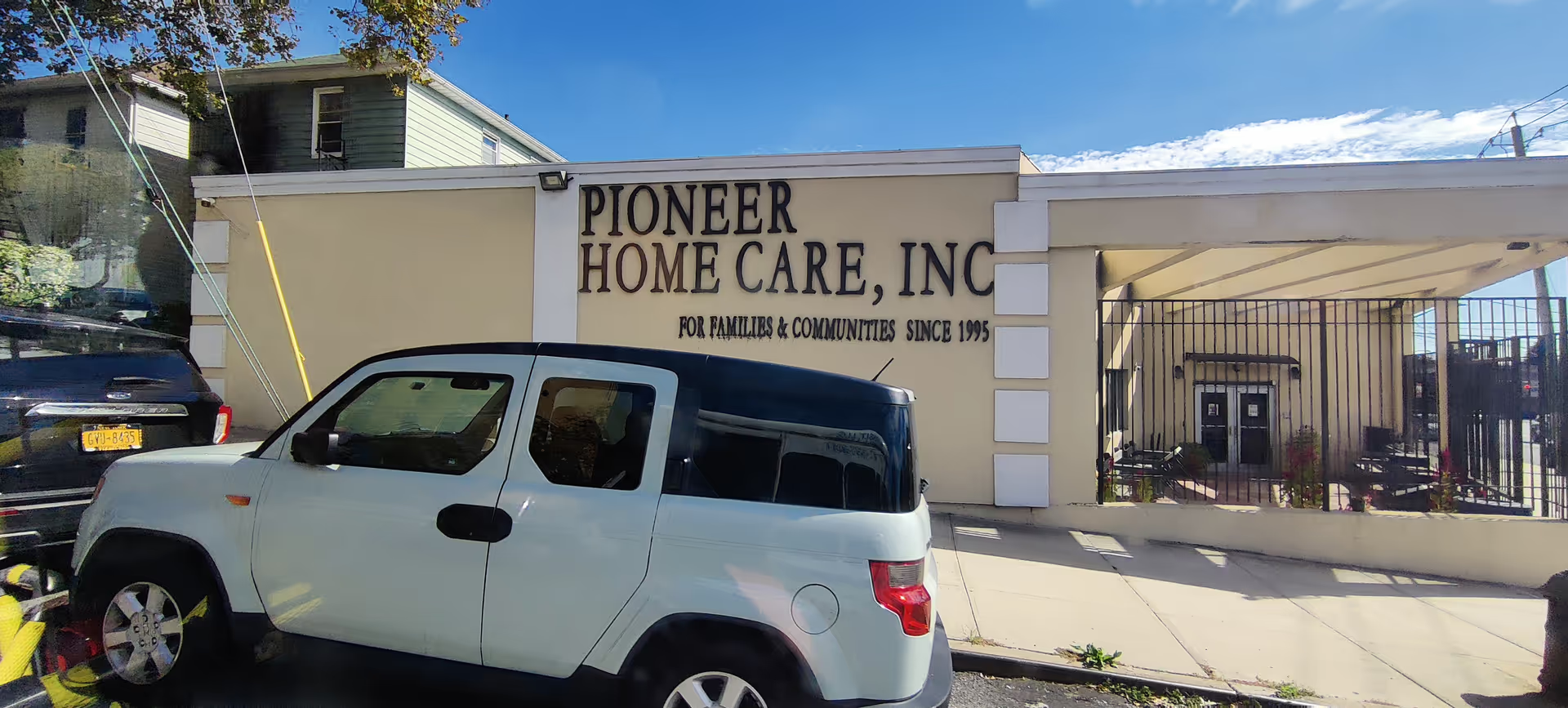
Reviewer feedback is polarized between consistently positive impressions of front-line caregiving and recurrent operational concerns centered on administrative responsiveness and billing. On caregiver quality, many comments highlight compassionate, warm caregivers, a team-oriented culture, and positive nursing leadership. Reviewers referenced family-like care and occasional innovative programming that supports client engagement. Several specific staff roles (admissions coordinator, named nursing supervisor) received favorable mention, and long staff tenure was noted as an indicator of experience.
Office communication and management responsiveness are the most frequently cited weaknesses. Multiple reviewers described difficulty reaching the office by phone, lack of callbacks, and poor follow-up on billing and scheduling questions. These communication gaps extend to management escalation pathways; families described limited responsiveness from supervisors and difficulty obtaining administrative resolution. Relatedly, reviewers raised concerns about billing and financial-administration practices, including payment-processing delays, check errors, and at least one allegation of financial impropriety. Those issues have affected trust and satisfaction for some clients and families.
Reliability and scheduling observations are mixed. Admissions and onboarding were described as smooth and professional in several accounts, but day-to-day scheduling and timely communication about shifts appear inconsistent. While there were no detailed, repeated accounts of missed clinical care, the pattern of hard-to-reach office staff and inconsistent callbacks suggests potential risk for delayed responses to scheduling changes or concerns. Staff professionalism was generally praised at the caregiver level, yet a few comments indicate variable conduct among individual employees, which points to inconsistent enforcement of professional standards.
Regarding value and facility context, positive reviewers emphasized the agency's comprehensive clinical approach and supportive atmosphere, which can add meaningful interpersonal value for clients. However, unresolved administrative issues — particularly billing disputes and slow payment resolution — undermine perceived value for some families. There are also isolated mentions of aging facility infrastructure that may affect in-person experiences.
In sum, prospective clients and referral sources may reasonably expect personable, experienced caregiving and some distinctive therapeutic programming, paired with an organization that has strengths in admissions and nursing leadership. At the same time, they should verify billing practices, confirm clear points of contact and escalation, and seek written agreements about payment and communication protocols before enrollment. Serious allegations (financial impropriety and discrimination) appear in the feedback and warrant direct inquiry with the agency and, if appropriate, documentation or regulatory review prior to engagement.