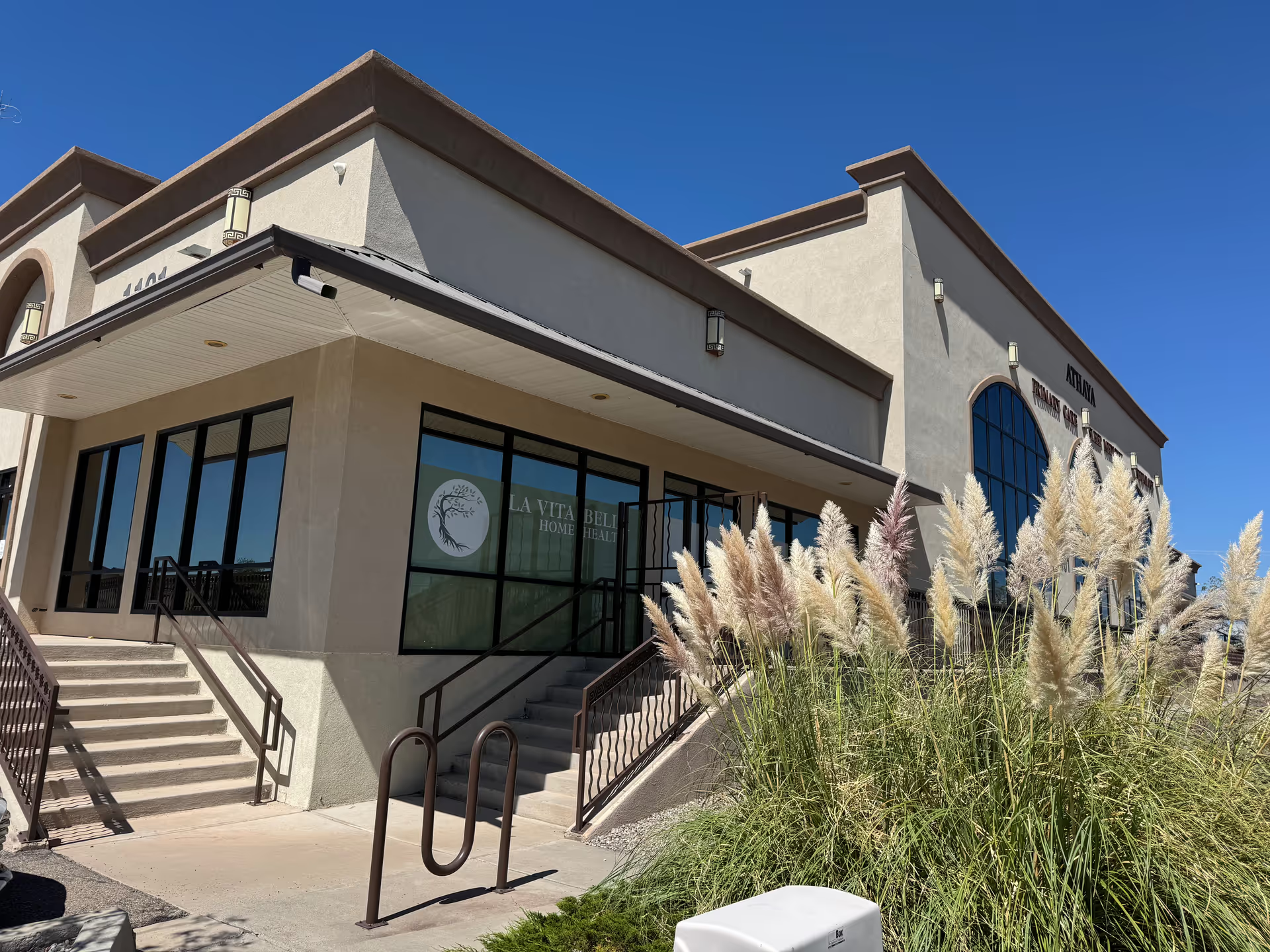
Reviews indicate a clear distinction between individual caregiver performance and the agency's operational consistency. Many families praised caregivers for being compassionate, trustworthy, and dedicated; individual aides are described as attentive and able to build good family-level communication. These caregiver-level strengths appear to support positive day-to-day interactions and satisfaction with the direct care provided.
At the same time, reviewers describe recurring reliability and administrative issues. The most prominent operational concern is inconsistent shift coverage—missed shifts, early departures, and instances without advance notice—which undermines the dependability families expect. Several reviewers also highlighted language barriers that affected day-to-day communication with clients, suggesting the agency may have limited capacity to match language needs consistently.
Office-level communication and management follow-through are uneven. While some families experienced proactive family communication, others reported poor responsiveness from the office, lack of timely updates, and a perceived absence of accountability when problems occurred. This pattern extends to billing and perceived value: although pricing was characterized as reasonable by some, there are recurring concerns about billing clarity and whether services billed matched the level of operational reliability provided.
Overall, the pattern is mixed: strong individual caregivers and scheduling flexibility are meaningful strengths, but agency-level weaknesses—particularly in shift reliability, language-capable staffing, office responsiveness, managerial accountability, and billing transparency—create risk for families who require consistent, scheduled care. Prospective clients may benefit from confirming language matching, backup/contingency procedures, and billing practices before enrollment to align expectations with the agency's current operational profile.