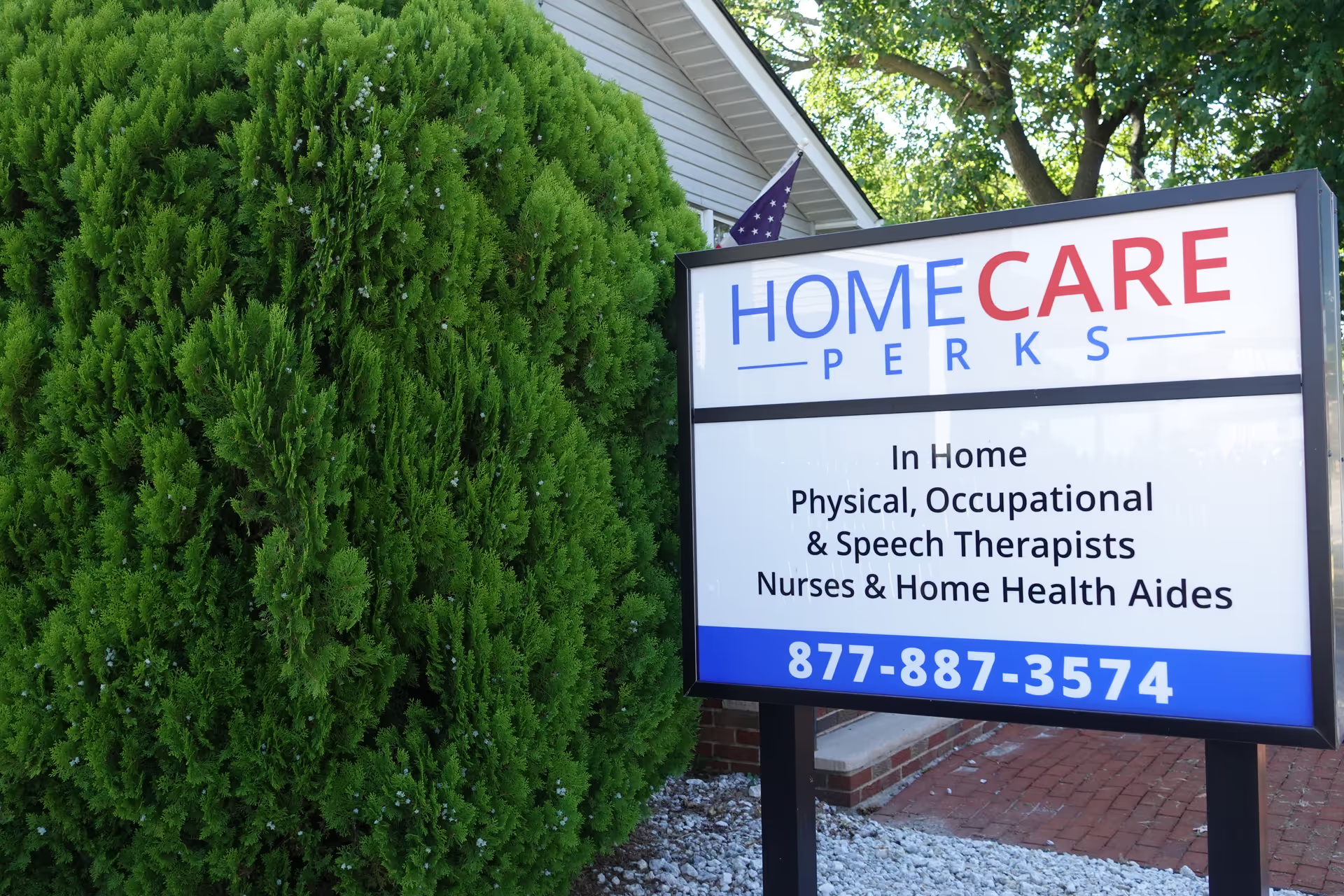
Overall impression: Reviews describe an agency with a strong frontline caregiving presence and a generally responsive office. Many families praised individual caregivers and clinicians for warmth, patience and clinical competence; several caregivers and supervisors were named positively, and reviewers frequently used language indicating gratitude and satisfaction. The agency also receives favorable comments about nursing and hospice support and about bilingual staff capable of serving Spanish-speaking families.
Caregiver quality: Caregivers are consistently characterized as compassionate, respectful and attentive. Multiple reviews singled out specific aides and supervisors for going beyond routine duties, and commenters described good caregiver-client matching and helpful companionship. Clinically, registered nurses and hospice staff were described as capable and supportive, suggesting adequate clinical oversight for higher-acuity needs.
Communication and office management: The office is often described as responsive, with clear, empathetic communication and helpful scheduling support. Onboarding processes are generally viewed as thorough and professionally handled. However, a subset of reviews describe lapses in administrative follow-through: incomplete paperwork, unclear start dates and limited outreach when planned visits did not occur. These administrative gaps appear to be the primary source of family frustration.
Reliability and scheduling: Once care is established, many reviewers reported consistent monthly schedules and dependable coverage. In contrast, other reviewers experienced inconsistent shift coverage or sudden unavailability of assigned aides. The pattern points to variability in reliability—strong performance in many cases but occasional failures in coverage and coordination that can disrupt families.
Value and recommendations: Families commonly characterized the service as high value and recommended the agency to others, noting friendly staff, good training and attentive care. Positive assessments of clinical responsiveness and compassionate support contribute to an overall favorable value perception.
Notable patterns and management implications: Strengths include compassionate direct-care staff, bilingual capacity, competent nursing/hospice support and a generally responsive office team. Operational weaknesses cluster around administrative coordination: start-of-care logistics, paperwork completion and contingency planning for caregiver absences. Addressing these agency-level process issues (clearer start-date confirmation, improved follow-up when shifts are missed, and tighter coverage protocols) would align the agency’s operational reliability with the strong caregiving performance described by many families.