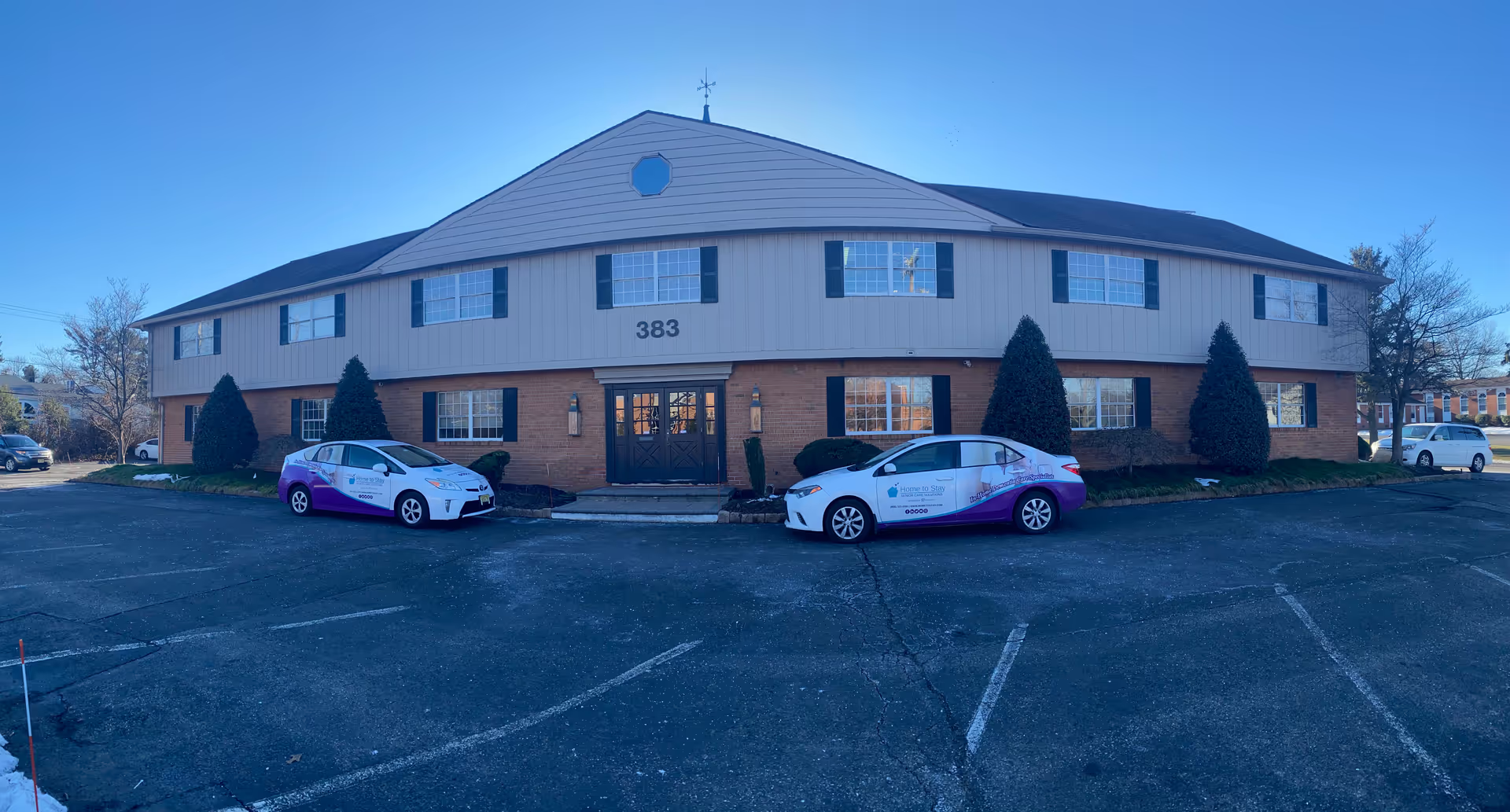
The reviews paint a broadly favorable picture of caregiver demeanor and agency culture while flagging a few operational concerns prospective clients should address. Caregiver quality is a clear strength in the commentary: families describe staff as kind, compassionate, and supportive, with at least one caregiver singled out by name for outstanding service. Multiple comments emphasize a family-style approach and respectful treatment of clients, suggesting caregivers build close, trust-based relationships that many families appreciate.
At the same time, reviewers raised discrete concerns about staff training and about the agency’s privacy and camera-monitoring practices. The training concern indicates potential gaps in skills or preparedness that could affect the consistency of care; this is an agency-level operational area to review during intake. The privacy concern focuses on how client monitoring (for example, cameras) is handled and communicated; prospective clients should clarify the agency’s written policies, consent procedures, and staff practices around monitoring before engagement.
Office-level impressions are positive: reviewers describe friendly, helpful office staff and note owner involvement and mentorship, which appears to contribute to professional organization and oversight. These management strengths likely support scheduling, shift coverage, and the overall responsiveness families experienced. Reliability and organization are characterized positively in the summaries, though none of the comments provide detailed accounts of shift-coverage patterns; the available language supports the view that administrative systems are competent and that the agency presents as well-managed.
Value and appropriateness of services vary by family circumstance. Some families felt the agency provided worthwhile, family-style support and would recommend it; one reviewer, however, expressed that their family could have supplied the necessary care, implying that for lower-intensity needs the perceived added value may be limited. This points to a fit consideration: the agency may be especially well suited for families seeking compassionate, relationship-driven in-home support, whereas families with minimal care needs may evaluate cost-effectiveness versus informal caregiving.
Notable patterns for prospective clients and referral sources: emphasize the agency’s strengths in caregiver warmth, owner engagement, and a professional administrative approach, but also verify training standards, staff supervision, and the agency’s privacy/monitoring policies before hiring. Asking for specifics on caregiver training, background checks, examples of supervision or mentoring, and a written camera/monitoring consent policy will help reconcile the positive interpersonal reports with the operational concerns noted in the reviews.