Overall impression: Reviewers consistently emphasize strong clinical and interpersonal strengths at the clinic. Caregivers are described as gentle, compassionate, and respectful; staff are characterized as friendly, professional, and experienced. Several comments highlight the quality of medical guidance and the perception of outstanding care, and at least one remark positions the program favorably within a broad regional context.
Caregiver quality and clinical management: The pattern across comments indicates reliable clinical competence combined with a warm bedside manner. Review language focuses on compassionate direct care and knowledgeable medical advice, suggesting effective clinical training and a staff culture that prioritizes patient-centered interactions. Management appears to support and maintain clinical standards that families find reassuring.
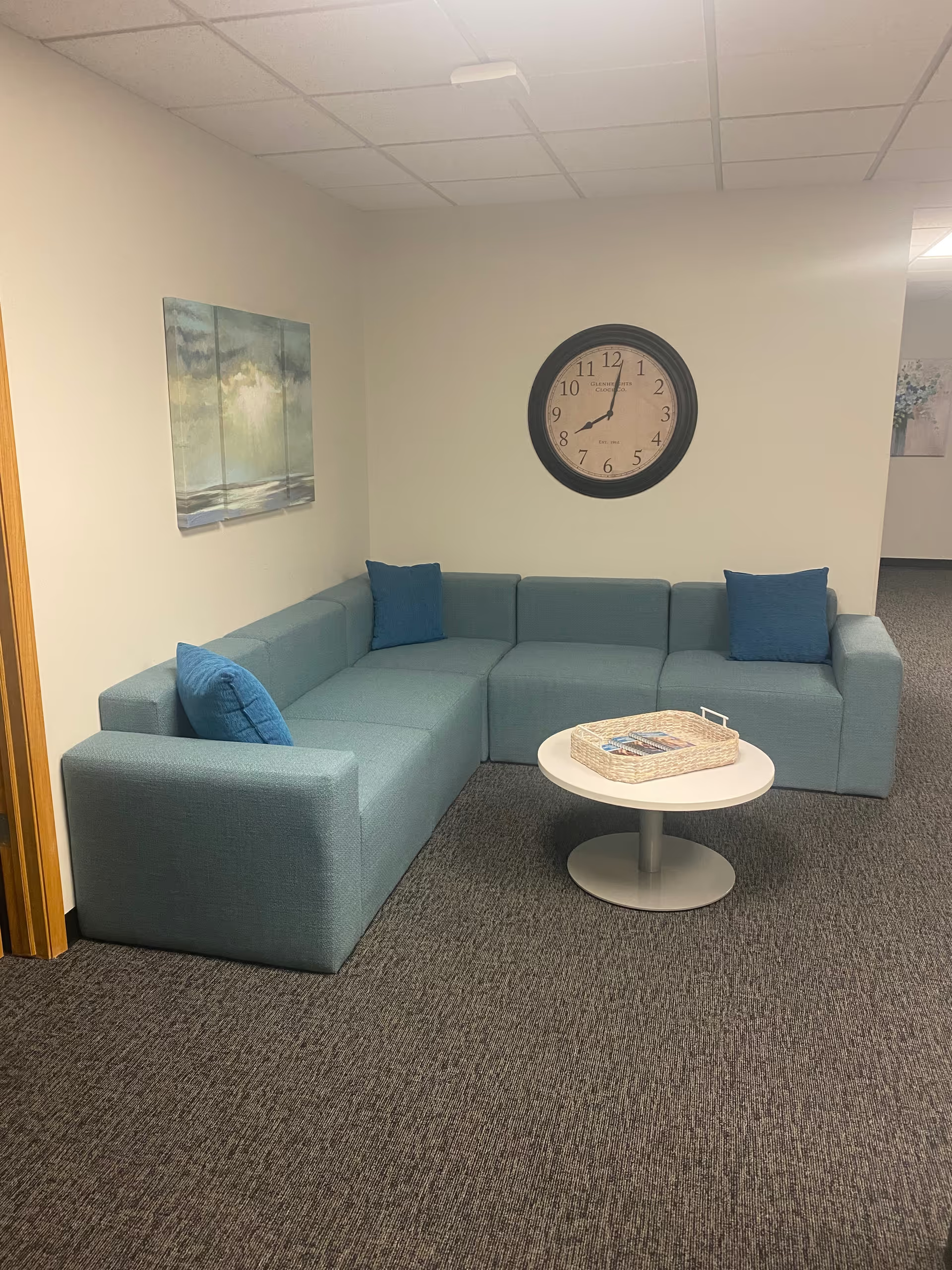
Office communication and reliability: Operational themes are mixed. While clinical interactions are praised, some reviewers noted prolonged waiting-room times and expressed dissatisfaction with reliability. These observations point to appointment-flow and scheduling issues — for example, delays between scheduled time and actual service, and concerns about consistency or punctuality. These are operational traits rather than clinical shortcomings, and they suggest opportunities for improved scheduling communication and patient-flow management.
Scheduling flexibility, access, and value: A noted practical concern is geographic access: at least one reviewer described an extended travel requirement to reach the clinic, indicating that some clients face a significant travel burden. The reviews do not provide detailed information about billing or fees; however, expressions of gratitude and high praise for care quality imply that many families perceive positive value from the clinical services despite access or scheduling frustrations.
Management and notable patterns: In summary, the dominant pattern is of strong clinical performance and compassionate caregiving paired with operational friction around appointment logistics and geographic accessibility. Management strengths appear concentrated in clinical leadership and staff training; improvement areas include appointment scheduling, wait-time management, and strategies to reduce travel burden or expand local access. Addressing those operational items would align the patient experience more consistently with the high clinical and interpersonal standards described by families.