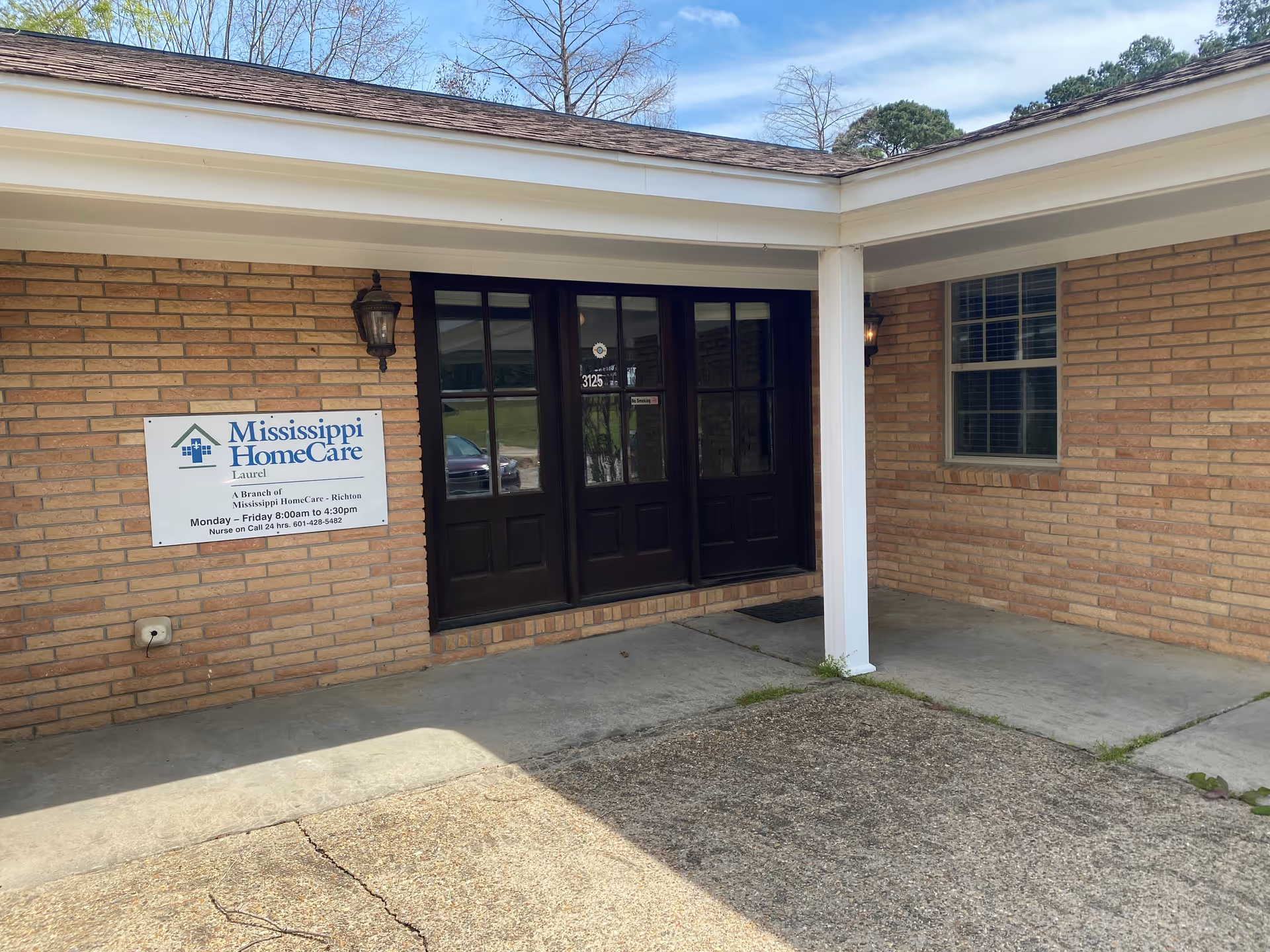
Overall impression is mixed but leans positive at the point-of-care: reviewers consistently praise the clinical teams — nurses and therapists — for being skilled, compassionate, and patient-centered. Many families highlight caregivers who are polite, professional, and willing to go beyond basic tasks; the therapy group and certain local offices receive particular commendation for competent, attentive care. Several comments emphasize frequent check-ins and a strong organizational mission, which contribute to a favorable reputation in the community.
Contrasting with strengths at the bedside, a recurring operational theme involves office-level coordination. A number of families experienced poor communication from administrative staff, limited updates, and difficulty with care coordination between the agency and external providers. Related operational weaknesses include inconsistent punctuality and occasional failures in scheduling or shift timeliness, which undermined otherwise positive caregiver relationships.
More clinically consequential concerns appear in a smaller subset of reports: missed or inconsistent administration of treatments and isolated logistics failures such as medication- or supply-delivery problems. These concerns suggest gaps in clinical-treatment protocols and in the agency’s supply/medication logistics that management should address. There is also variability in caregiver professionalism reported; while many caregivers are praised, the presence of less-professional conduct in other instances indicates uneven training, supervision, or matching practices.
Value and scheduling flexibility are described positively by multiple reviewers who found the agency reliable and highly recommended; however, the mixed experience with timeliness and office responsiveness tempers that assessment. Specific billing or pricing feedback is limited in this dataset, so conclusions about financial value are primarily inferred from overall satisfaction and recommendations.
In summary, the agency appears to deliver high-quality, compassionate clinical care through skilled nurses and therapists, and has a solid local reputation. At the same time, the agency shows repeated operational vulnerabilities in administrative communication, scheduling reliability, clinical-administration consistency, and logistics. Management interventions that target office communication protocols, treatment-administration checks, delivery/logistics reliability, and caregiver supervision would likely convert many of the operational negatives into strengths and produce a more uniformly positive client experience. Note: there are isolated allegations of misrepresentation about services that merit prompt internal review and transparent resolution.