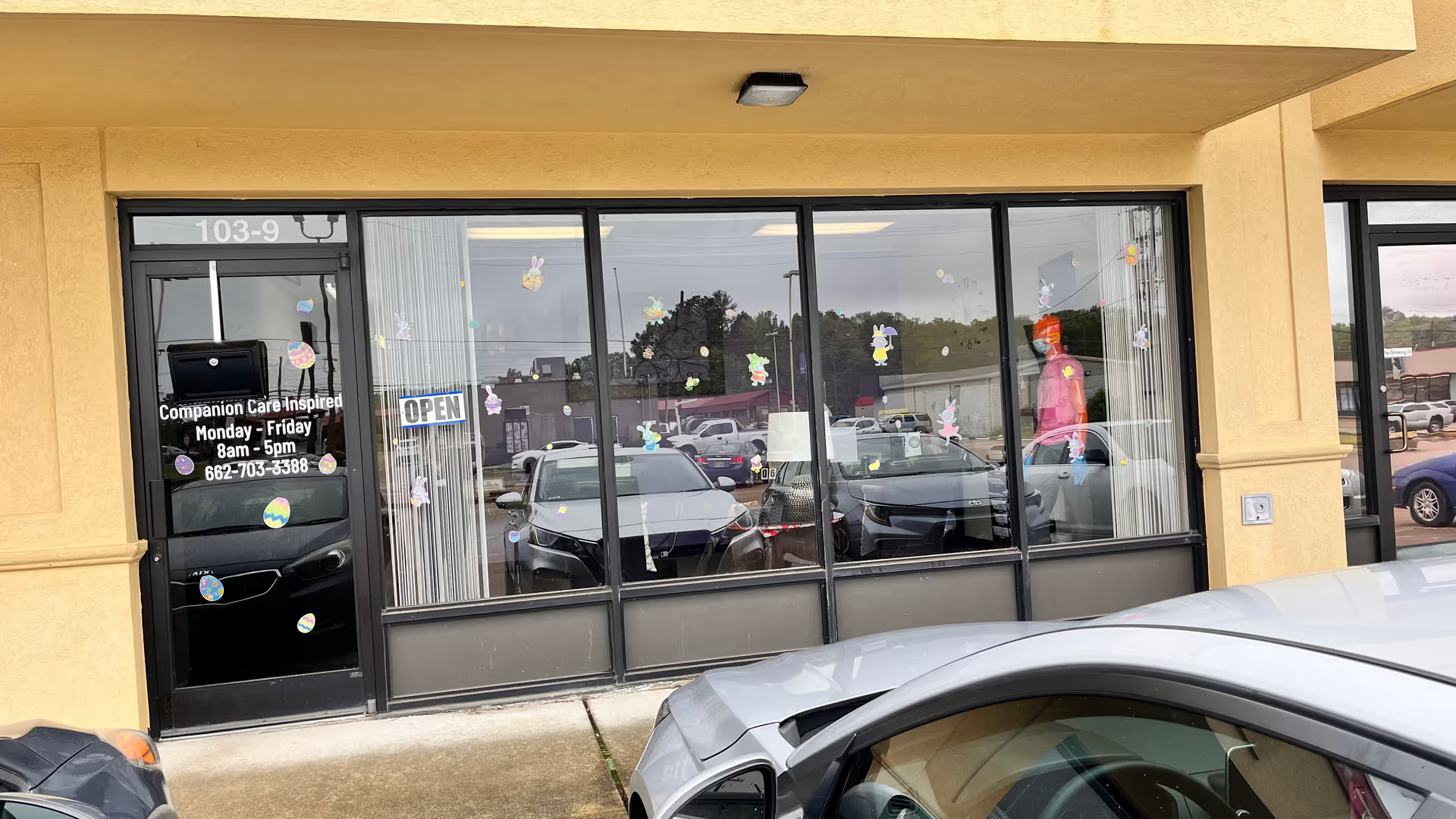
Overall impression: Reviews portray an agency with many strengths at the point of care alongside operational shortcomings that can affect family confidence. Caregivers and direct-care staff are repeatedly described as compassionate, attentive, and supportive; multiple accounts highlight effective initial transitions and named caregivers who provided consistent kindness and hands-on help. These positive interactions form the core of the agency's value proposition for families seeking in-home support.
Caregiver quality: The predominant pattern is favorable with numerous mentions of warm, engaged aides who deliver attentive personal care. At the same time, there are isolated but notable critiques that point to variability in caregiver competency and performance. Prospective clients should expect generally compassionate bedside care while remaining aware that assignment quality may vary; families who prioritize a specific skill set or continuity may wish to confirm caregiver matching and training procedures before enrollment.
Office communication and management: Several reviewers described weaknesses in office-level communication and operational coordination. Examples include changes in office staffing that coincided with supply or logistics problems and unclear explanation of clinical orders generated by field nurses. These indicate gaps in internal communication pathways and supply-chain oversight that can create friction for families even when direct caregivers are strong.
Reliability, scheduling, and clinical coordination: While reviewers commonly praised the hands-on staff, comments about unclear clinical decision communication and occasional supply issues suggest mixed performance in clinical coordination and logistics. There is no systematic allegation of missed shifts in the reviews provided, but the communication and supply concerns could affect reliability and day-to-day scheduling if not addressed.
Billing and value: A minority of reviewers expressed dissatisfaction tied to perceived cost-driven priorities, suggesting concerns about billing transparency or value for money. These perceptions do not negate reports of compassionate care, but they do indicate that some families feel the agency's administrative priorities and client-facing values are not always aligned.
Notable patterns and recommendations: The most consistent positive pattern is strong direct-care staff performance and a supportive initial onboarding experience. The principal operational patterns requiring attention are office-level communication, supply/logistics management, and clearer clinical-order communication between field nurses and families. For prospective clients, useful next steps would be to ask the agency about caregiver-matching processes, how clinical orders are communicated and documented, contingency plans for supply or staffing transitions, and billing transparency policies to better anticipate and mitigate the administrative concerns raised in these reviews.