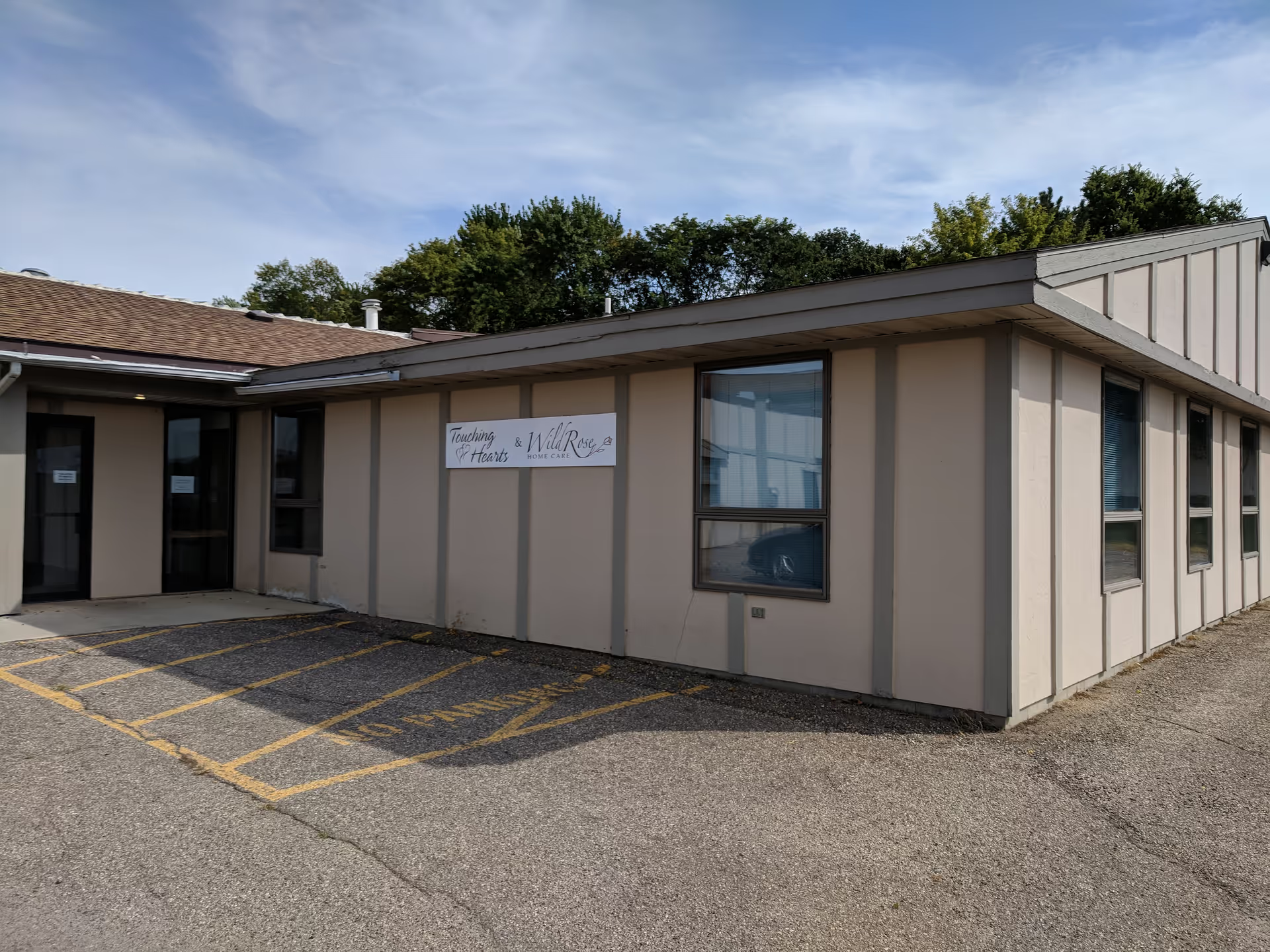
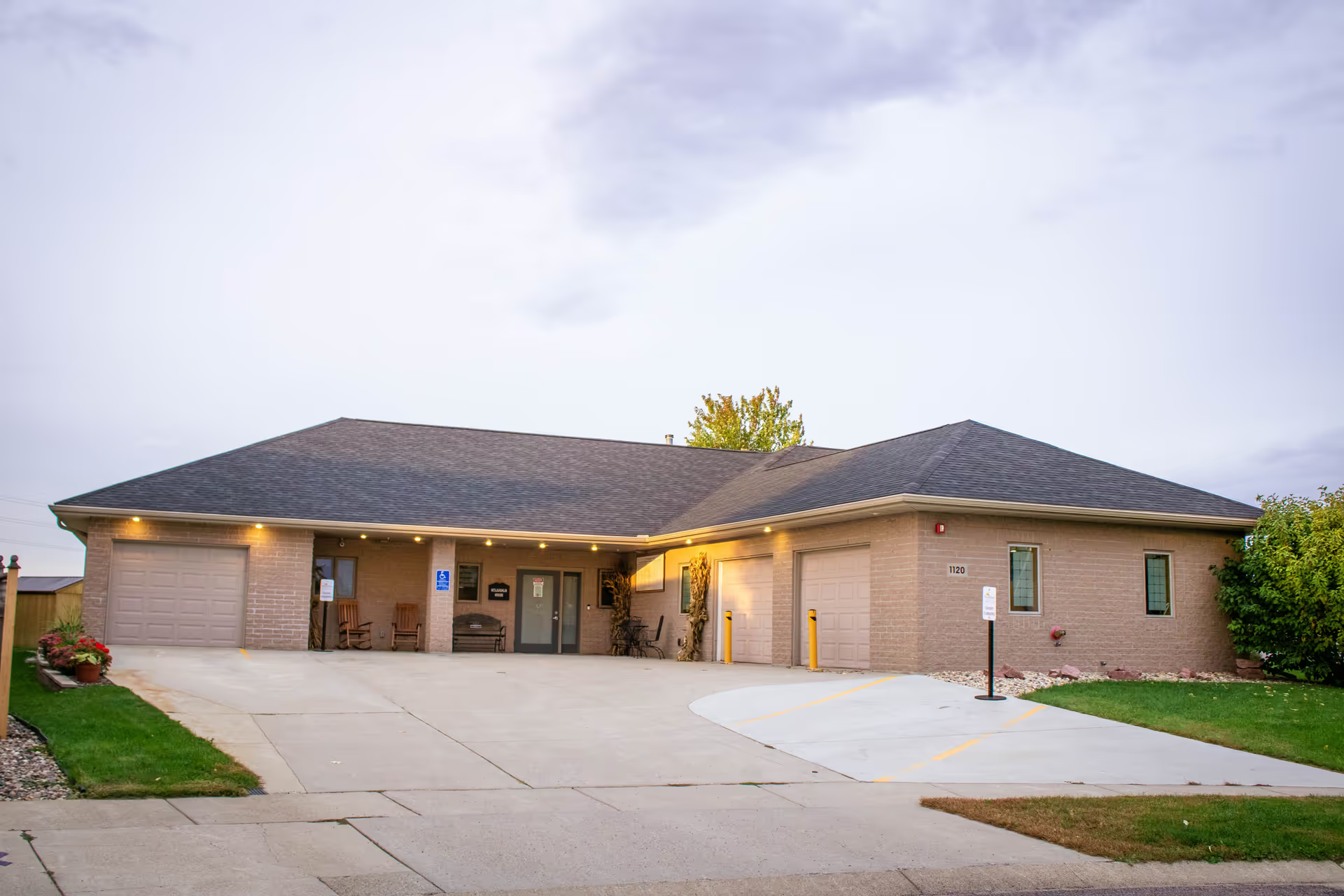
Overall impression: Feedback indicates a generally positive experience with in-home caregivers and clinical staff, with consistent praise for hands-on assistance, product knowledge, and practical problem-solving. Caregivers are repeatedly described as patient, courteous, and willing to assist beyond basic delivery or setup tasks, and the agency appears effective at sourcing equipment, arranging delivery, and handling repairs. Families also call out efficient billing practices and staff familiarity with insurance, which supports a streamlined value proposition for people needing equipment and in-home support.
Caregiver quality and client-facing staff: Caregivers and field staff receive strong, specific commendations for being helpful, reassuring, and knowledgeable. Many comments highlight thoughtful guidance on product selection, effective education on equipment use, and proactive follow-up after service. The agency’s ability to support both pediatric and adult needs was noted, and several anecdotes describe caregivers who facilitated purchases, demonstrated devices, and provided timely repairs.
Office communication and reliability: Office-level communication is more mixed. While some clients describe responsive scheduling and attentive follow-up, other feedback points to gaps in phone availability, inconsistent follow-up from administrative staff, and moments of unprofessional conduct in the reception area. Scheduling flexibility is a recurring operational concern; a number of comments reference rigid scheduling practices that can create rushed visits or limited appointment options. These patterns suggest variability in front-office responsiveness and customer-service consistency.
Scheduling, reliability of shifts, and management: On balance, caregivers at point of care are viewed as reliable, but administrative processes around scheduling and availability introduce uncertainty for some clients. Management-level issues reflected in the feedback include the presence of a distracting reception environment and the perception that recent policy changes have reduced flexibility. These are operational traits rather than systematic failures in clinical care, but they affect the client experience and should be considered when arranging services.
Billing and value: Billing and insurance handling are consistently viewed positively; reviewers frequently mention fast, efficient billing and helpful guidance on insurance. Combined with proactive equipment sourcing and responsive repairs, this creates a sense of good value for many clients.
Notable patterns and practical advice: The dominant positive theme is strong caregiver competence and helpfulness; the dominant negative theme is variability in front-office professionalism and scheduling practices. Prospective clients and families would benefit from confirming scheduling policies, expected response times for phone contacts, and delivery/installation timelines up front. Asking who to contact for escalations or follow-up, and clarifying any policy restrictions that may affect service options, can reduce the operational friction some clients reported.