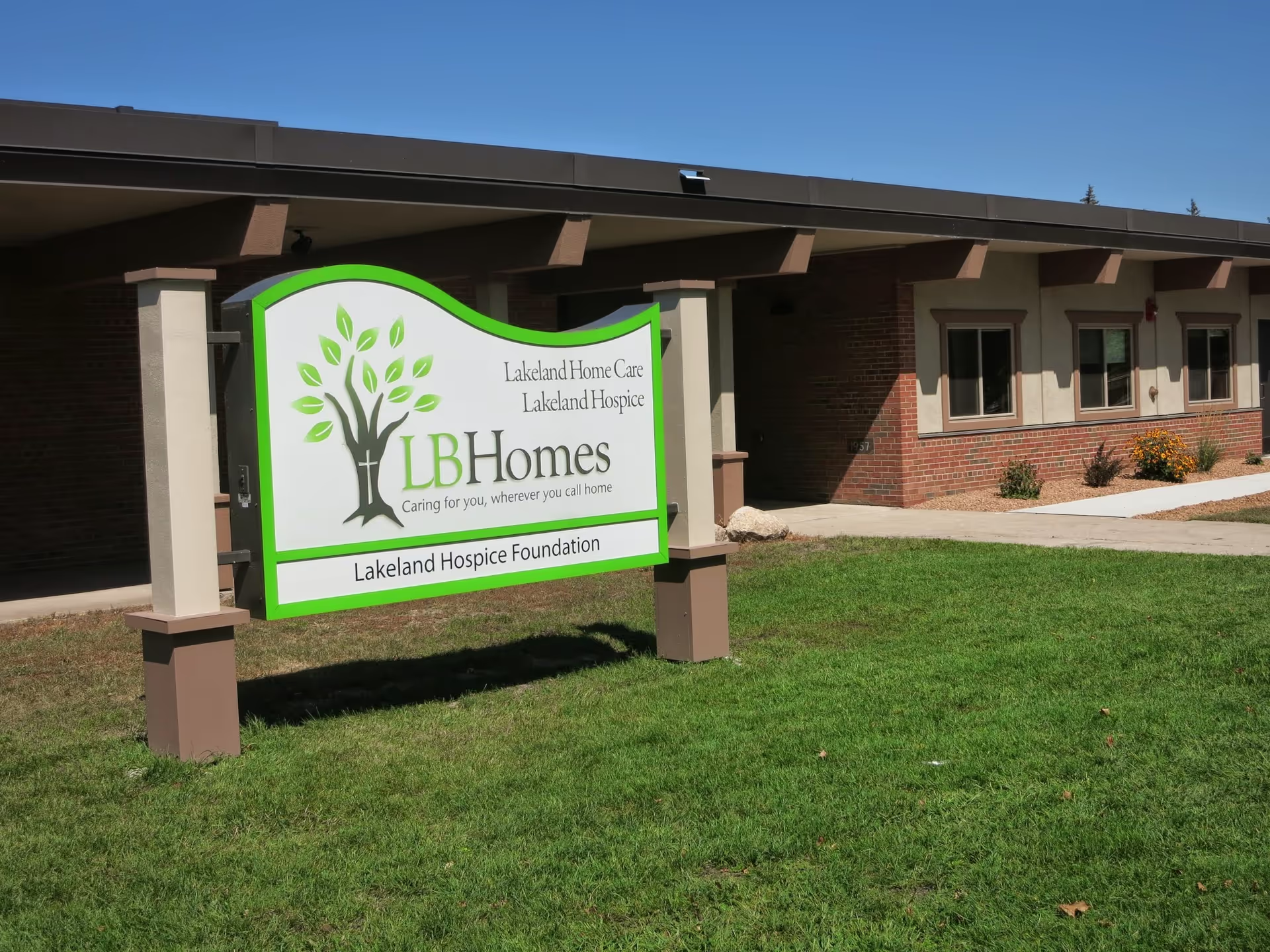
The reviews reflect a mixed picture of care quality and agency performance. Many comments praise the interpersonal aspects of care: caregivers are described as compassionate, attentive, and courteous, and office staff are characterized as friendly and professional. Several families found the agency’s intake and coordination smoother than previous providers, and reviewers noted a knowledgeable care team and generally responsive communication in those positive interactions.
However, a recurrent operational theme is declining reliability over time. Reviewers described inconsistent caregiver reliability, including late arrivals and missed or shortened visits. Staffing shortages were explicitly linked to delayed care and extended service gaps during shifts, which affected the timeliness and completeness of personal-care tasks. These patterns suggest capacity or scheduling challenges that are impacting day-to-day consistency of service.
Communication appears uneven. While some interactions with the office were responsive and pleasant, other reviewers reported missed updates, unresponsiveness from office staff, and arbitrary schedule changes that were not communicated effectively. This inconsistency in office responsiveness undermines families’ ability to plan and trust schedules, and it amplifies the effect of staffing variability.
Medication management and billing emerged as distinct areas of concern. There are accounts of missed prescriptions and gaps in medication oversight, which point to weaknesses in clinical coordination or handoff procedures. On the financial side, reviewers described incorrect billing plan application and slow or absent responses when attempting to correct those errors, contributing to disappointment about value and administrative follow-through.
A small number of reviewers raised more serious conduct and safety concerns, including reports of unprofessional interactions during a single visit. Those instances appear isolated in the context of the broader set of reviews, but they do signal a need for stronger supervision, clearer conduct expectations, and improved incident follow-up when concerns are raised.
Overall, the pattern is one of capable, caring individual caregivers and an organized front-office in some cases, paired with systemic operational weaknesses: inconsistent staffing, uneven communication, scheduling instability, and administrative oversights around medications and billing. Prospective clients and families considering this agency may benefit from asking specifically about backup staffing plans, medication oversight procedures, scheduling-change notification protocols, and billing reconciliation processes before engagement to reduce the likelihood of the issues noted in reviews.