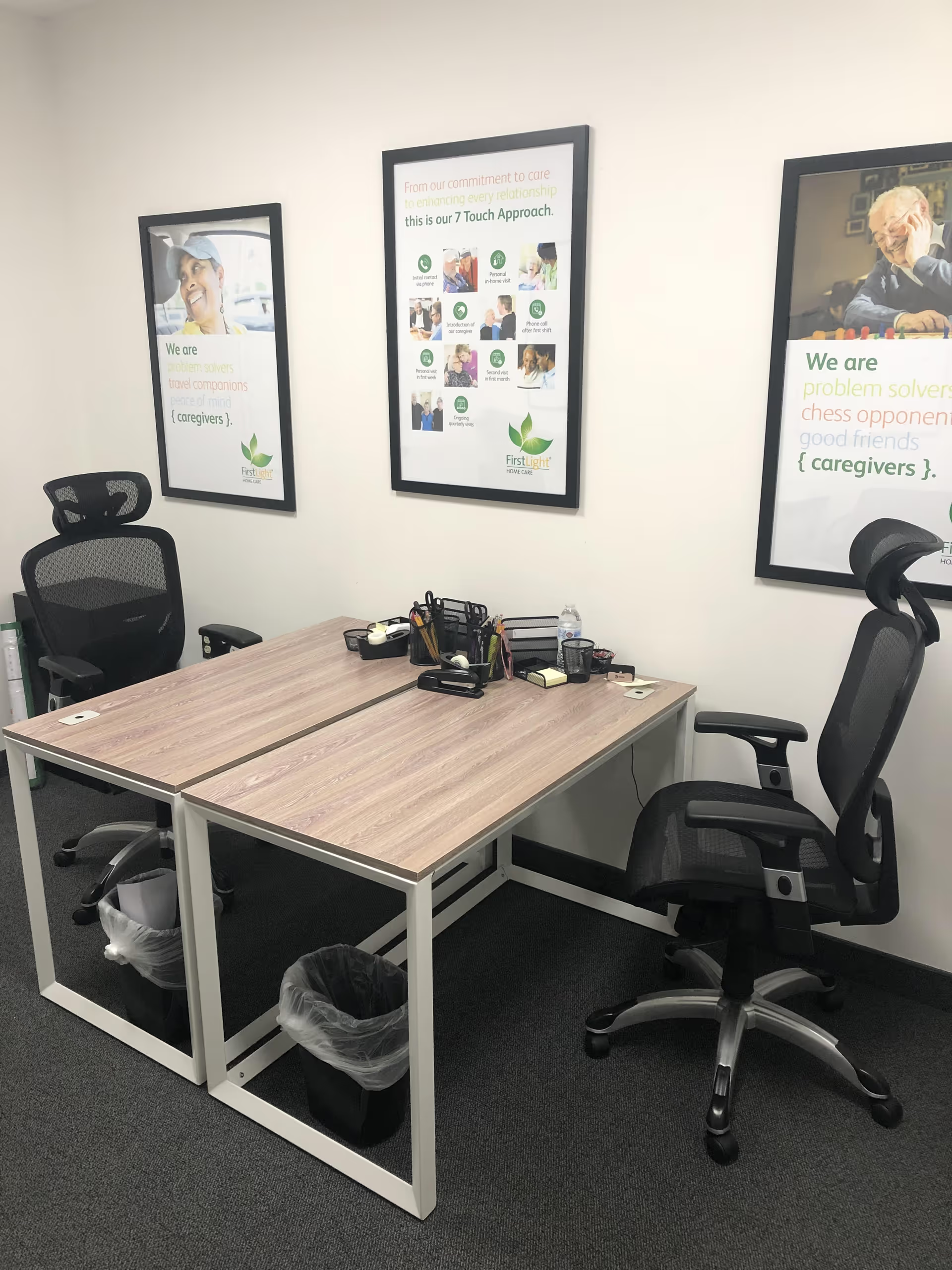
Overall impression: Review summaries indicate a predominately positive client experience centered on caregiver warmth, professionalism, and responsive office communication. Many comments emphasize compassionate, respectful staff who are knowledgeable about client needs and who can provide reassurance and peace of mind to families. Administrative interactions are frequently described as smooth and friendly, contributing to an overall sense of reliable service delivery.
Caregiver quality: Reviewers consistently highlight caregivers who are compassionate, respectful, and attentive to clients’ needs. Several summaries note staff who go beyond basic duties, treat clients like family, and bring clinical knowledge appropriate to senior and special-needs care. These descriptions point to a workforce that is both skilled and relationship-oriented, which is important for in-home care where continuity and rapport matter.
Communication and management: The agency’s office communication is characterized as responsive, seamless, and professional. Families describe a smooth onboarding process and clear coordination between office staff and caregivers. That pattern suggests reasonably effective scheduling and case-management practices at the point of contact.
Reliability and scheduling: Many summaries emphasize reliable shift coverage and consistent caregiver presence, contributing to family confidence. Scheduling is described as straightforward in multiple summaries. However, there is at least one serious concern indicating a failure to provide agreed-upon support while billing for services; this suggests an operational risk around service fulfillment and confirmation that families should monitor.
Billing and value: Most comments imply that clients perceive value in the care provided, citing peace of mind and dependable professionalism. At the same time, the presence of a single severe negative account about payment for unprovided services raises a billing-transparency issue that prospective clients should address proactively. Clear contracts, documented care plans, and routine invoicing checks are advisable.
Notable patterns and recommendations: The dominant pattern is positive—compassionate, competent caregivers supported by a responsive office team. The primary operational concerns are centered on ensuring consistent fulfillment of contracted services and transparent billing practices. Prospective clients and families would benefit from confirming care assignments in writing, keeping copies of scheduling and billing communications, and clarifying escalation or complaint procedures with agency management before services begin.